Responsible Photography Guidelines: How to Capture Images Without Causing Harm
Photography is one of the most powerful ways to document travel experiences. Images shape how destinations, people, and wildlife are perceived around the world. With that power comes responsibility. Responsible photography ensures that the act of taking photos does not exploit people, disturb wildlife, damage environments, or misrepresent cultures. These guidelines help travelers photograph ethically, respectfully, and with long-term impact in mind.
Why Responsible Photography Matters
Photography freezes moments in time, but its effects extend far beyond the shutter click. Images influence tourism trends, public opinion, and even policy decisions. When photography ignores ethics, it can invade privacy, reinforce stereotypes, or harm wildlife and communities. Responsible photography protects dignity, preserves authenticity, and ensures that storytelling benefits rather than exploits the subjects being photographed.
Respect Comes Before the Image
No photograph is more important than a person’s dignity or safety. Responsible photography begins with respect. Travelers should always consider how their presence and camera affect others. If a situation feels intrusive, uncomfortable, or exploitative, it is better not to take the photo. Ethical photography values human connection over content creation.
Asking Permission When Photographing People
Consent is fundamental when photographing people. Travelers should ask permission before taking portraits, especially in rural areas, cultural settings, or private spaces. A smile, gesture, or simple question goes a long way. If someone declines, that decision must be respected without argument or persistence.
Children should never be photographed without clear permission from parents or guardians. Images of vulnerable individuals require extra sensitivity and should never be taken for shock value or emotional manipulation.
Avoid Turning Culture Into a Spectacle
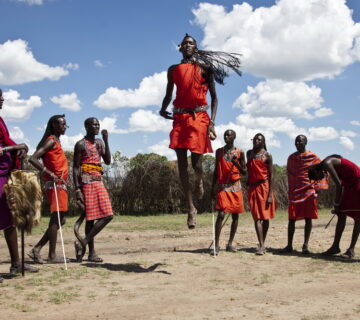
Cultural traditions, ceremonies, and daily life are not performances for tourists. Responsible photographers observe quietly and avoid disrupting activities for the sake of a better angle. Staging scenes, asking people to reenact traditions, or encouraging exaggerated behavior distorts reality and reduces culture to entertainment.
Photography should document culture as it exists, not reshape it to fit expectations.
Wildlife Photography Without Disturbance
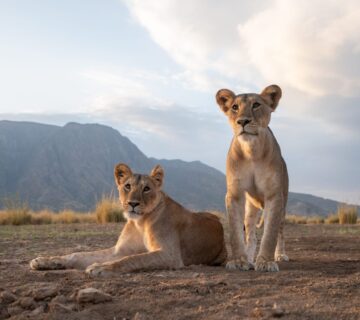
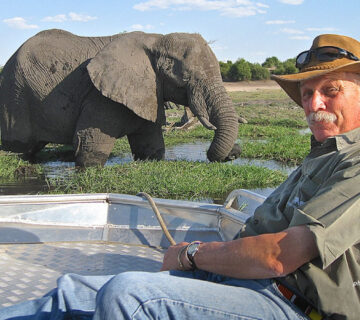
Wildlife photography carries serious ethical responsibility. Animals should never be chased, baited, touched, or stressed to achieve a shot. Responsible photographers maintain safe distances, follow park rules, and respect guidance from rangers and guides.
Flash photography around wildlife is often prohibited because it can startle animals and disrupt natural behavior. Quiet observation allows animals to remain undisturbed and results in more authentic images.
Protecting Natural Environments While Shooting
Photographers must remain aware of their physical impact on the environment. Trampling vegetation, stepping off trails, or climbing fragile structures damages ecosystems. Responsible photography leaves no trace and avoids altering surroundings for visual effect.
Nature photography should celebrate landscapes without contributing to their degradation.
Avoiding Exploitation and Poverty Photography
Images that portray people solely through hardship or poverty strip subjects of dignity and complexity. Responsible photography avoids reducing communities to symbols of suffering. When documenting challenging realities, context matters. Images should reflect resilience, humanity, and full stories rather than one-dimensional narratives.
Ethical storytelling balances honesty with respect.
Respecting Restricted and Sensitive Areas
Certain locations restrict photography for security, cultural, or historical reasons. These include border areas, government buildings, memorials, and sacred sites. Travelers must follow local rules and signage at all times. Ignoring restrictions can cause distress, offense, or legal trouble.
Responsible photographers understand that some moments are meant to be experienced, not recorded.
Sharing Images Responsibly After the Trip
Ethical responsibility continues after the journey ends. Sharing images online requires thought and care. Photographers should consider how images represent people, cultures, and places to audiences who may lack context. Captions should avoid stereotypes, misinformation, or disrespectful language.
If an image could embarrass, endanger, or misrepresent someone, it should not be shared publicly.
Giving Back Through Photography
Responsible photography can also create positive impact. Sharing images with people who were photographed, supporting local photographers, or contributing images to conservation and community initiatives adds value beyond personal use.
Photography becomes more meaningful when it benefits the people and places that made the image possible.
Photography as a Tool for Learning and Connection
When done responsibly, photography encourages deeper engagement with destinations. Slowing down, observing carefully, and interacting respectfully often lead to better images and richer experiences. Responsible photographers often find that the most powerful photos come from patience and understanding rather than aggressive pursuit.
Final Thoughts on Responsible Photography
Responsible photography is about intention, awareness, and respect. It recognizes that every image involves a relationship between photographer and subject. By prioritizing consent, ethics, and authenticity, travelers ensure their photographs honor the people, wildlife, and environments they encounter.
Photography should tell stories that uplift, educate, and preserve rather than exploit. When practiced responsibly, it becomes a force for understanding rather than harm.