Remote Safari Lodges in Kidepo Valley: Untamed Beauty at Africa’s Edge
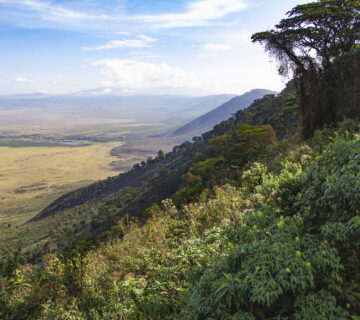
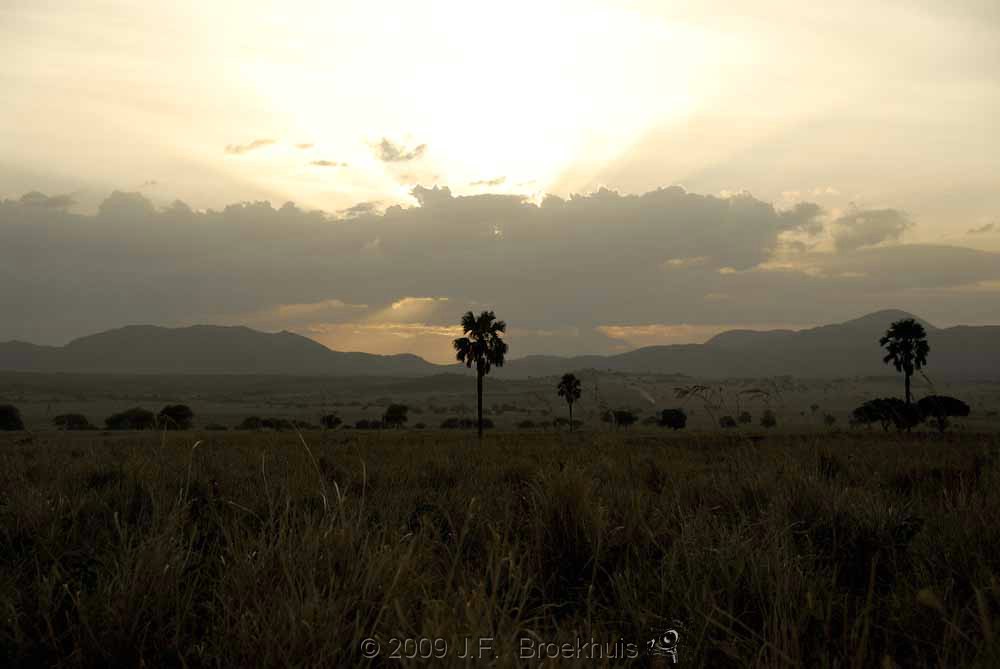
Kidepo Valley National Park, located in the far northeastern corner of Uganda, is one of Africa’s most pristine and remote wildlife destinations. Far removed from the busier circuits of East Africa’s safari trail, Kidepo showcases wide open savannahs, rugged mountain backdrops, acacia woodlands, and seasonal waterholes that attract classic African wildlife against a vast sky. This dramatic wilderness feels palpably untouched, and the remote safari lodges here are designed to reflect that raw beauty while offering travelers comfort, connection to nature, and a rare sense of solitude.
Remote safari lodges in Kidepo Valley are more than places to stay—they are immersive gateways to one of Uganda’s most extraordinary landscapes, where wildlife encounters feel authentic, personal, and unhurried. From sunrise game drives to sundowners in sweeping grasslands and cultural visits with local communities, these lodges connect guests deeply with nature and place.
The Appeal of Remote Safari Lodges
Remote safari lodges in Kidepo are defined by their locations—set deliberately deep within or near the park’s vast wilderness, often overlooking plains and valleys that stretch into Namibia-like horizons. Unlike urban lodges that focus on luxury in isolation, Kidepo’s remote camps emphasize balance: quality accommodation that maintains ecological sensitivity, service that enhances rather than distracts from the wild surroundings, and an unbroken connection to the rhythms of the African bush.
These lodges often employ local staff and integrate traditional design elements, using natural materials like thatch, stone, and timber to blend structures into the landscape. Communal areas encourage wildlife viewing without enclosed barriers—open-air dining pavilions, firepit lounges, and decks that curve around the horizon let guests watch grazing herds, towering giraffes, or distant lions moving at dusk.
Prime Locations for Wildlife Viewing
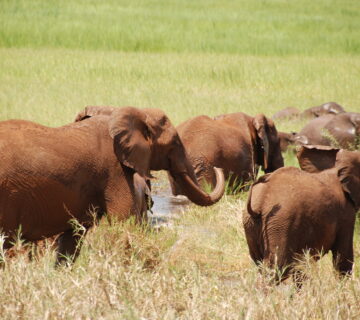
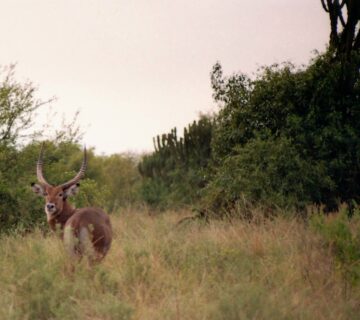
Kidepo’s remote lodges are strategically placed near key wildlife corridors and seasonal waterholes where animals concentrate. During the dry season, water becomes scarce, and wildlife—including elephants, buffaloes, zebras, giraffes, and large herds of antelope—gather predictably around the few remaining water sources. This naturally enhances game viewing and brings safari sightings close to camp boundaries.
The park’s celebrated predator populations, particularly lions and spotted hyenas, are best observed from early morning and late afternoon drives. Guides at remote lodges are expert trackers, skilled in reading spoor, understanding seasonal animal movement, and positioning guests for sustained, immersive viewing rather than rushed glimpses.
Signature Safari Experiences from Remote Lodges
Game drives from remote lodges are the centerpiece of the Kidepo experience, often beginning before sunrise when predators and grazers are most active. Guides and trackers lead guests into wide open plains that reveal classic African scenes—lion prides basking in golden light, cheetahs resting atop termite mounds, and herds of zebras milling against the backdrop of the Morungole Mountains.
Walking safaris are another highlight that many remote safari lodges offer, allowing guests to explore smaller ecological niches on foot with armed rangers. These walks deepen appreciation for smaller fauna, birdlife, spoor identification, and the intricacies of the ecosystem that are otherwise difficult to experience from a vehicle.
Birdwatching in Kidepo is exceptional, with seasonal migrants and raptors often making spectacular appearances. The wide skies and few crowds make spotting fish eagles, vultures, and secretary birds a special part of the remote lodge experience.
Accommodation and Comfort in the Wild
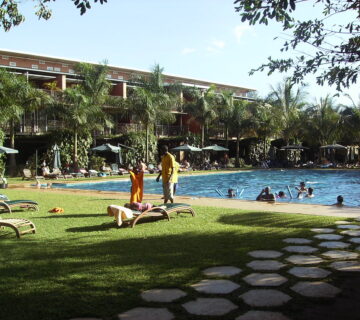
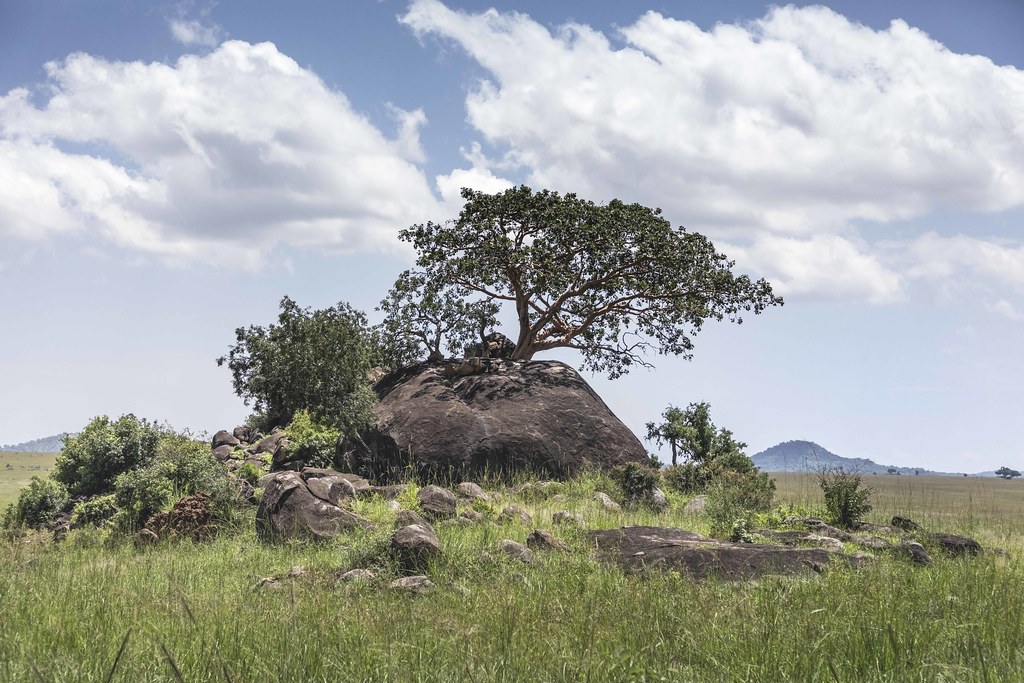
Remote safari lodges in Kidepo combine rugged scenery with thoughtful comfort. Accommodation ranges from elevated tented camps that echo old-world safari romance to permanent cottages that provide a balance between rustic and refined. All lodgings prioritize views, with large windows or outdoor seating designed to bring the savannah panorama indoors.
Private verandas or decks are standard, offering direct wildlife observation from the comfort of your space. En-suite bathrooms with hot showers and solar-heated water accommodate creature comforts without undermining the remote atmosphere. Interiors are complimentary reflections of the landscape, using natural textiles, handcrafted décor, and subtle earthy tones that harmonize with Kidepo’s palette.
Dining and Bush Meals
Dining at remote safari lodges is a culinary highlight, crafted to supplement the safari experience. Meals use fresh, locally sourced ingredients whenever possible and are often served outdoors to enhance the experience of dining amidst nature. Breakfasts include tropical fruits, freshly brewed Ugandan coffee, eggs prepared to order, and wholesome staples that fuel guests for morning drives.
Lunches may be hearty spreads enjoyed under shaded verandas or prepared as picnic lunches taken into the bush for full-day excursions. Evening meals often become social events featuring barbeques, traditional stews, grilled meats, and discussions of the day’s sightings around campfire flames.
For guests seeking extraordinary moments, some lodges arrange private dinners at scenic lookout points or under the vast night sky—creating safari memories that extend beyond game drives.
Cultural Connections and Community Outreach
Remote safari lodges in Kidepo often provide opportunities for meaningful cultural engagement. The Karamojong communities that have long inhabited the surrounding region have rich traditions deeply connected to pastoral life. Cultural visits with local villagers offer insight into traditional lifestyles, herding customs, beadwork artistry, and indigenous knowledge of the land.
These interactions are usually conducted with cultural sensitivity and respect, guided by community leaders, and designed to support local economies through ethical tourism. Many lodges also participate in community development initiatives—school support, healthcare projects, and conservation education—ensuring tourism contributes positively to the region.
Conservation and Responsible Tourism
Kidepo’s remote safari lodges are committed to responsible, conservation-focused tourism practices. Given the park’s ecological fragility and its importance as one of East Africa’s wildest landscapes, sustainable practices are essential. Lodges often employ renewable energy solutions such as solar power, emphasize water conservation and recycling, and minimise waste through eco-friendly policies.
Moreover, many remote lodges support anti-poaching patrols, wildlife monitoring initiatives, and research programs, allowing guests to learn about conservation challenges and successes directly from field professionals. These initiatives underscore the idea that responsible tourism isn’t merely viewing wildlife safely, but actively contributing to long-term protection.
Best Times to Visit
The dry seasons—December to February and June to September—are widely considered the best times to visit Kidepo Valley because water sources contract and wildlife congregates, enhancing viewing success. Cool and clear mornings make early drives pleasant, while dramatic skies and seasonal vegetation make the landscape striking for photography.
The rainy seasons bring stunning seasonal contrast—lush green plains, dramatic thunderstorms, and heightened bird activity. Though some tracks may become softer, the seasonal spectacle draws photographers and nature lovers who appreciate landscape transformation.
Remote safari lodges in Kidepo Valley National Park offer safari experiences that are genuinely off the beaten track, combining raw wilderness with thoughtful, comfortable hospitality. Whether watching a lion pride rest under thorn trees, listening to hyenas calling at dusk, or sharing stories under billions of stars, a stay at one of these lodges connects travelers to the heart of Africa’s wilderness in ways that few other places can.