Religious Tourism Sites in Uganda: A Journey Through Faith and Heritage
Uganda, often called the “Pearl of Africa,” is not only renowned for its wildlife and natural beauty but also for its rich and diverse spiritual heritage. The country is home to a variety of religious traditions, including Christianity, Islam, and indigenous spiritual practices. Religious tourism in Uganda provides travelers with an opportunity to explore sacred sites, participate in ceremonies, and understand the deep cultural and historical significance of faith in Ugandan society.
Namugongo Martyrs’ Shrine: Honoring Courage and Faith
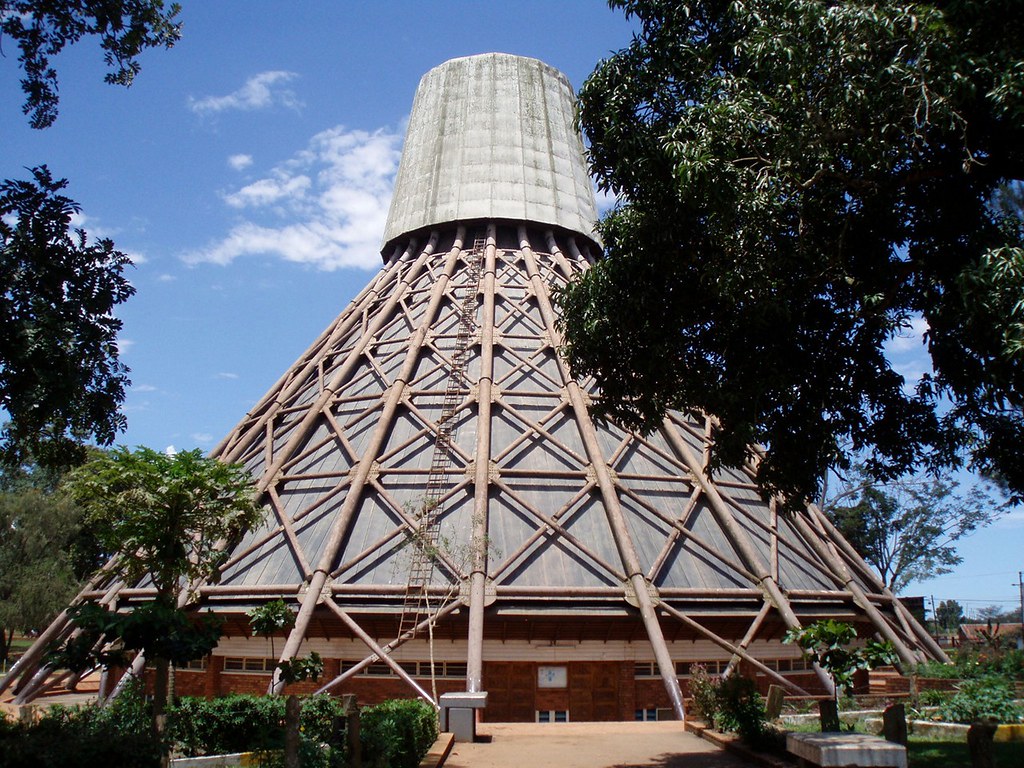
The Namugongo Martyrs’ Shrine, located just outside Kampala, is Uganda’s most iconic religious site. It commemorates 45 Christian martyrs who were executed in the late 19th century for refusing to renounce their faith under Kabaka Mwanga’s reign. The shrine complex includes a majestic basilica, smaller chapels, statues, and memorial plaques, offering a solemn and reflective environment for pilgrims and visitors.
Visiting the shrine is a profound experience, especially on June 3rd, Martyrs’ Day, when thousands of pilgrims gather for processions, prayers, and celebrations. Visitors can witness heartfelt devotion, traditional music, and ceremonial rituals. Guided tours offer insight into the history of the martyrs, the socio-political context of their sacrifice, and the lasting influence of Christianity on Ugandan society.
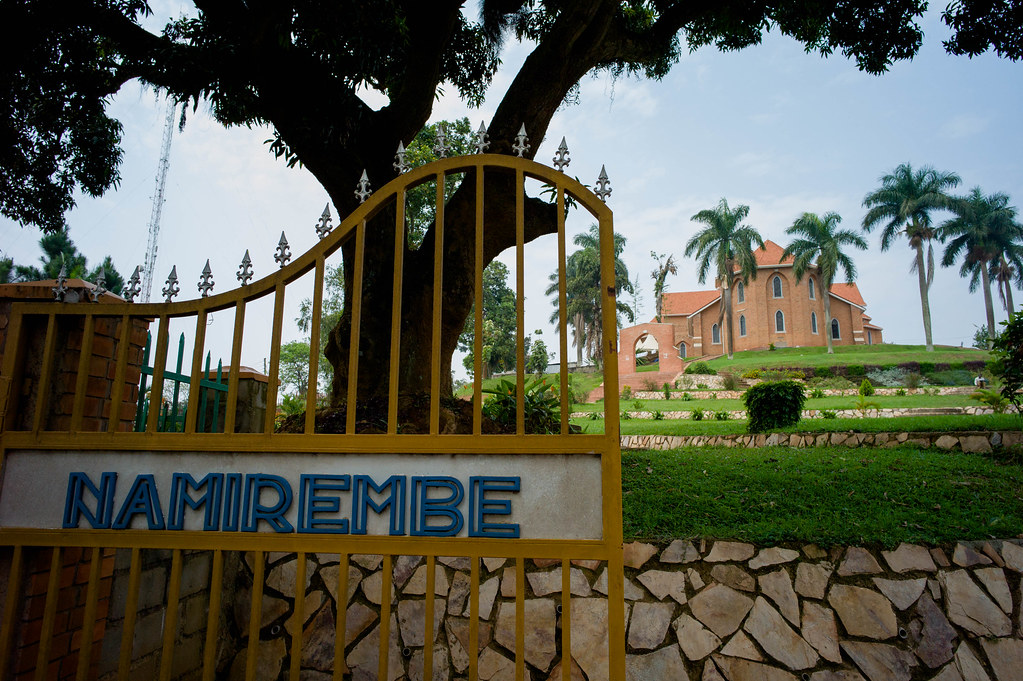
Uganda Martyrs Basilica and Other Christian Sites
Uganda is dotted with historical churches and basilicas that reflect both religious devotion and architectural elegance. The Uganda Martyrs Basilica in Lubaga, Kampala, is another landmark, featuring towering spires, intricate stained glass, and sacred relics. Other notable churches, including St. Mary’s Cathedral in Gulu and Holy Cross Basilica in Mbarara, showcase regional variations in Christian practice and church architecture.
These sites offer more than sightseeing—they provide an opportunity to observe mass, participate in prayers, and experience local customs in a spiritual context. Travelers gain understanding of the influence of Christianity on social cohesion, education, and cultural practices across Uganda.
Islamic Heritage Sites: Mosques and Spiritual Centers
Islam has a long-standing presence in Uganda, introduced through trade and migration from East Africa and Arabia. Prominent mosques, such as the Uganda National Mosque (Gaddafi Mosque) in Kampala, are both places of worship and architectural landmarks. The mosque features a grand dome, minaret, and ornate interior, providing an educational insight into Islamic practices, traditions, and art.
Visits to mosques allow travelers to observe prayer routines, learn about Islamic history in Uganda, and engage respectfully with local worshippers. Smaller community mosques in towns and villages also offer an authentic perspective on daily religious life in Uganda’s Muslim communities.
Indigenous Spiritual Sites and Sacred Locations
Uganda’s spiritual landscape is not limited to organized religion. Indigenous communities maintain sacred sites, ancestral shrines, and ritual grounds that are central to cultural identity. Regions such as western Uganda, Karamoja, and the Rwenzori highlands feature sacred groves, ceremonial caves, and ritual spaces used for blessings, initiation, and seasonal ceremonies.
Guided visits to these sites allow travelers to understand indigenous cosmology, the role of spiritual leaders, and traditional rituals that connect communities to nature and ancestral heritage. Participation is often respectful observation, supplemented by explanations from elders or local guides.
Pilgrimage and Retreat Experiences
Religious tourism in Uganda often involves pilgrimages and retreats, combining spiritual reflection with travel. Retreat centers in serene locations like Kisubi, Munyonyo, and the outskirts of Namugongo provide spaces for meditation, prayer, and communal worship. Pilgrims and travelers alike can engage in spiritual practices, attend educational sessions on theology, and participate in group prayers.
These retreats also highlight the integration of faith and daily life, offering a chance to experience how religious devotion shapes personal, communal, and social behavior in Uganda.
Festivals, Ceremonies, and Religious Events
Uganda’s religious calendar is vibrant, with numerous festivals and ceremonies that attract both locals and international visitors. Martyrs’ Day in Namugongo is the most celebrated, while Easter, Christmas, and Islamic holidays such as Eid al-Fitr and Eid al-Adha offer immersive cultural experiences. These events feature processions, traditional music, dance, and communal meals, allowing travelers to witness faith in action.
Tips for Visiting Religious Sites
Engaging with Uganda’s religious heritage requires respect and cultural sensitivity. Travelers should dress modestly, seek permission before taking photographs, and observe ceremonial protocols. Guided tours are highly recommended, as they provide historical context, explain rituals, and facilitate meaningful interactions with worshippers and spiritual leaders.
Religious tourism in Uganda is a journey through history, culture, and faith. From the solemn Namugongo Martyrs’ Shrine to grand mosques and sacred indigenous sites, each destination offers insight into the country’s spiritual identity. Travelers gain not only cultural knowledge but also personal enrichment, witnessing how religion shapes communities, traditions, and Uganda’s national story. For those seeking meaningful and immersive travel, Uganda’s religious sites provide experiences that are both enlightening and unforgettable.