Rare Primate Species to Spot in Uganda
Uganda is a global hotspot for primate diversity, offering wildlife enthusiasts the chance to observe rare and endangered species in their natural habitats. From dense montane forests to bamboo slopes and lowland rainforests, Uganda’s ecosystems provide ideal environments for a variety of primates, including species found nowhere else in the world. Encountering these extraordinary animals allows tourists to appreciate both their ecological importance and the conservation efforts protecting them.
Mountain Gorillas: The Crown Jewel of Uganda
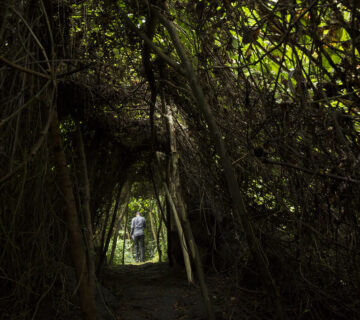
Mountain gorillas are Uganda’s most iconic primates, residing primarily in Bwindi Impenetrable Forest and Mgahinga Gorilla National Park. These gentle giants live in tight-knit family groups led by a dominant silverback and are known for their social behavior, including grooming, play, and protective care of young. Trekking to see mountain gorillas is a once-in-a-lifetime experience, requiring permits and guided treks that ensure minimal disturbance to the animals while providing unforgettable close encounters.
Golden Monkeys: The Vibrant Bamboo Specialists
Golden monkeys are strikingly colorful primates found in the bamboo forests of Mgahinga Gorilla National Park and parts of Volcanoes National Park near the Uganda-Rwanda border. Recognizable for their golden-orange fur and playful nature, these monkeys live in large social groups and are highly active during the day. Guided tracking allows visitors to observe their feeding habits, social interactions, and acrobatic movements through dense bamboo, offering excellent photographic opportunities.
Colobus Monkeys: Elegant Forest Dwellers
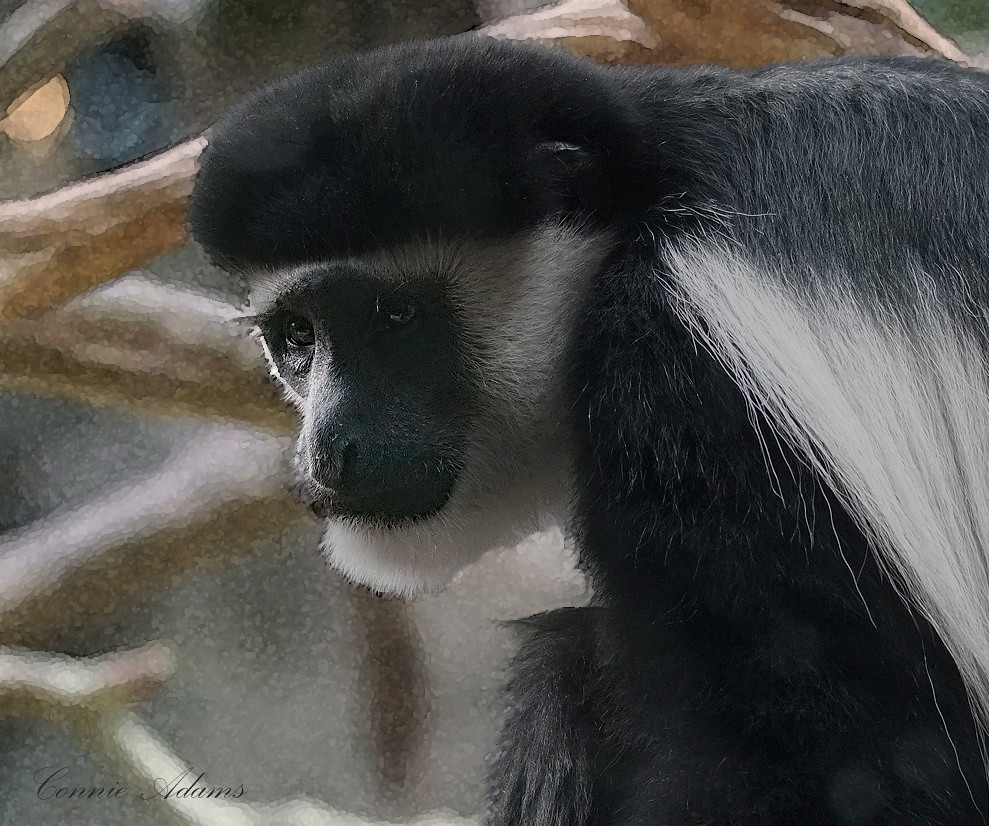
Uganda’s black-and-white colobus monkeys inhabit high-canopy forests, including Kibale Forest, Bwindi, and Mabira Forest. These arboreal primates are known for their striking black and white coats, long bushy tails, and agile tree-to-tree movement. Colobus monkeys are primarily folivorous, feeding on leaves, fruits, and flowers, and are often seen in family groups navigating the forest canopy. Their calm demeanor and social behaviors make them a favorite among primate watchers.
 Other Rare Primate Species
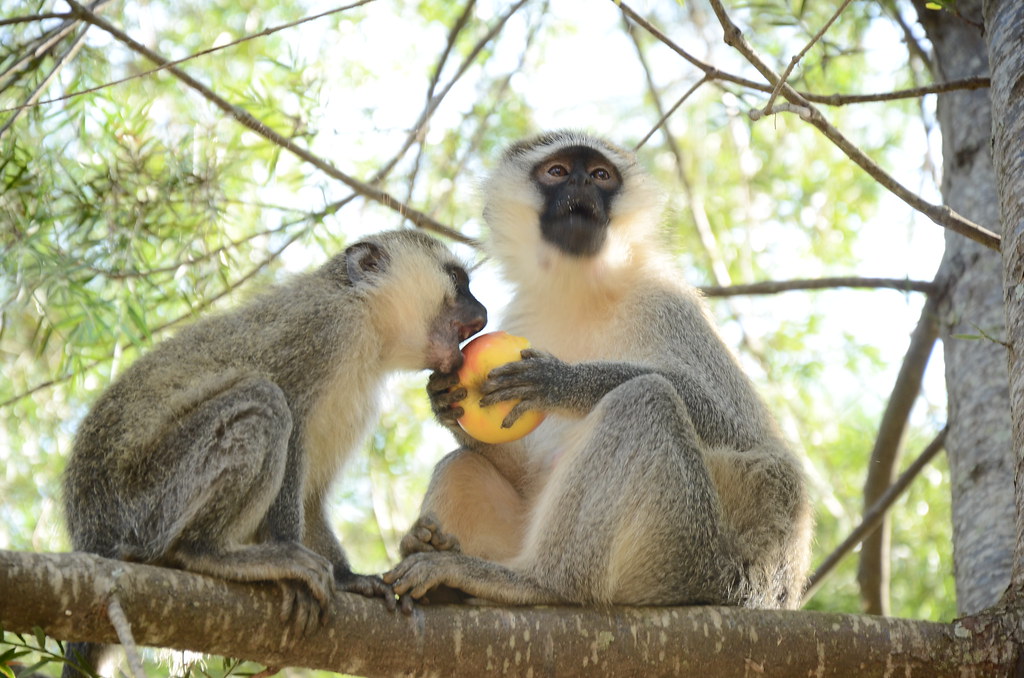
Uganda hosts additional rare and fascinating primates, including the L’Hoest’s monkey, red-tailed monkey, blue monkey, and mangabeys. Forest reserves such as Kibale, Budongo, and Semuliki provide prime habitats for these species. Some primates, like the L’Hoest’s monkey, are elusive and require careful observation, rewarding visitors with a sense of discovery and deeper understanding of forest ecosystems.
Best Habitats and Viewing Opportunities
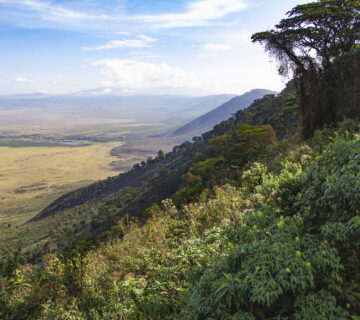
Primates in Uganda are distributed across distinct habitats, each offering unique experiences. Montane forests like Bwindi and Mgahinga are ideal for gorillas and golden monkeys, while lowland rainforests such as Kibale and Budongo host chimpanzees, colobus, and other forest monkeys. Early morning treks or guided forest walks increase the likelihood of sightings, as primates are often most active during cooler hours. Eco-lodges near these habitats provide convenient access and enhance the overall wildlife experience.
Conservation and Ethical Observing
Protecting Uganda’s rare primates is a conservation priority. Tourism revenue supports habitat preservation, anti-poaching patrols, and community programs. Visitors are expected to follow strict guidelines: maintaining safe distances, limiting trekking group sizes, wearing masks during gorilla encounters, and avoiding feeding or touching wildlife. Ethical observation ensures the health and well-being of primates while fostering sustainable tourism practices.
Encountering Uganda’s Unique Primates
Spotting Uganda’s rare primates offers an unparalleled wildlife experience, combining adventure, education, and conservation awareness. From the majestic mountain gorillas to the playful golden monkeys and elegant colobus, each species provides insight into the complexity of forest ecosystems. Responsible tourism allows travelers to witness these incredible animals in their natural habitats, creating lifelong memories and supporting efforts to preserve Uganda’s extraordinary primate diversity.