Rare Birds You Can Only See in Uganda
Uganda’s Unique Avian Treasures
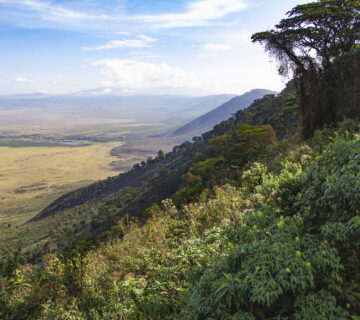
Uganda is often called the “Birding Capital of Africa”, not only because of its impressive total species count of over 1,000, but also because it is home to numerous rare and endemic species found nowhere else in the world. Many of these species are concentrated in the Albertine Rift region, which spans Uganda’s southwestern forests, including Bwindi Impenetrable Forest, Mgahinga Gorilla National Park, and surrounding highland forests. Birdwatchers and wildlife enthusiasts seeking unique encounters can find species that are critically important for global conservation.
African Green Broadbill
The African green broadbill is one of Uganda’s most sought-after endemic species, primarily found in the dense montane forests of Bwindi and Mgahinga. This small, vividly green bird inhabits the forest canopy and is known for its elusive behavior, making sightings rare and rewarding. The broadbill feeds on insects and small fruits and is an iconic highlight for avid birdwatchers visiting the Albertine Rift.
Shelley’s Crimsonwing
Shelley’s crimsonwing is another Albertine Rift endemic found in high-altitude forests like Bwindi and Mgahinga. This bird is small and vividly colored, with a striking red plumage contrasting with brown wings and tail. It is often seen in the undergrowth, particularly near bamboo and dense shrubs, and requires patience and careful observation to spot.
Chapin’s Flycatcher
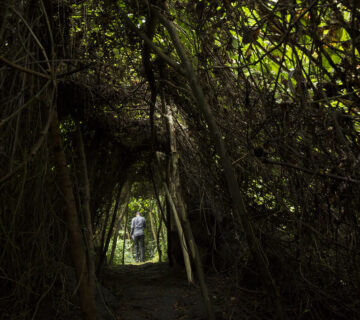
Chapin’s flycatcher is a rare bird restricted to Uganda’s southwestern montane forests. It is known for its subtle plumage and delicate song, which makes auditory identification as important as visual. Observing Chapin’s flycatcher often involves guided forest walks and careful tracking along shaded forest trails.
Red-Collared Babbler
The red-collared babbler is a distinctive endemic species that inhabits bamboo and montane forests in the Albertine Rift. Recognizable by its reddish collar and soft brown body, this bird is elusive and usually detected by its calls. Birdwatchers often need patience and expert guidance to catch a glimpse of this rare species.
Blue-Headed Sunbird
This Albertine Rift endemic is known for its striking iridescent blue head contrasted with a bright yellow belly. Blue-headed sunbirds feed on nectar and can be spotted hovering near flowering plants in forest clearings or along trail edges. They are often observed in high-altitude forest zones of Mgahinga and Bwindi.
Rwenzori Turaco
The Rwenzori turaco is a mountain forest specialist, endemic to the Rwenzori Mountains and nearby Albertine Rift forests. Its vibrant green and blue plumage, combined with a red crest, makes it highly photogenic. It is typically seen in mid-canopy layers, and birdwatchers often need patience to spot it amidst dense foliage.
Grauer’s Swamp Warbler
This extremely rare species inhabits wetland areas at high altitudes in the Albertine Rift. Grauer’s swamp warbler is shy and difficult to approach, often requiring specialized birding trips to swampy and marshy areas where it resides. Its limited range makes it a prized observation for dedicated birders.
Other Rare and Endemic Species
Uganda’s Albertine Rift forests are also home to several other rare birds, including Handsome Francolin, Carruthers’s Cisticola, Red-throated Alethe, Chapin’s Apalis, and White-tailed Crested Flycatcher. These species are generally restricted to specific montane or forested habitats, and guided tours are essential for increasing chances of sightings.
Best Birding Locations for Rare Species
The majority of Uganda’s rare and endemic birds are concentrated in southwestern montane forests. Key locations include Bwindi Impenetrable Forest, Mgahinga Gorilla National Park, Echuya Forest Reserve, and parts of the Rwenzori Mountains. These forests provide the high-altitude, dense, and undisturbed habitats that these species require. Visiting these areas with experienced guides ensures a higher probability of observing rare birds in their natural environment.
Seasonal Considerations
Birdwatching for rare species is effective year-round, but certain periods enhance visibility and activity. The dry seasons (December–February and June–September) offer easier access to forest trails, while the wet seasons (March–May and October–November) increase insect activity and flowering plants, attracting nectar-feeding species such as sunbirds. Early mornings and late afternoons remain the best times for active bird sightings.
Why Uganda Stands Out
Uganda’s high density of rare and endemic species, combined with its accessible forested habitats and expert local guides, makes it a globally significant birding destination. The chance to observe species found nowhere else on Earth, alongside breathtaking landscapes and other wildlife, provides an unforgettable experience for ornithologists, photographers, and nature enthusiasts.