Primate Tracking Rules in Rwanda
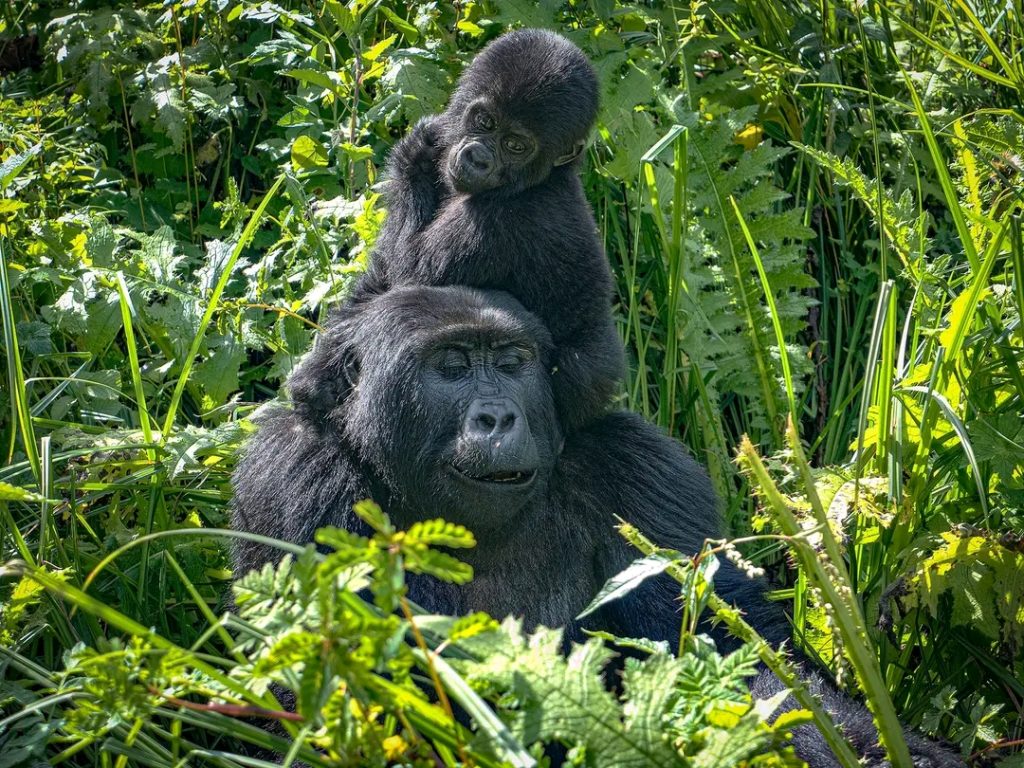
Primate tracking rules in Rwanda exist to protect both wildlife and visitors while ensuring that primate encounters remain ethical, safe, and sustainable. Whether tracking gorillas, chimpanzees, or golden monkeys, Rwanda applies strict guidelines that regulate behavior, group size, health standards, and time spent with animals. These rules are not optional formalities; they are the foundation of Rwanda’s conservation success.
Understanding and respecting primate tracking rules enhances the quality of the experience. When visitors know why rules exist and how to follow them, encounters become calmer, safer, and more meaningful for everyone involved.
Why Primate Tracking Rules Matter
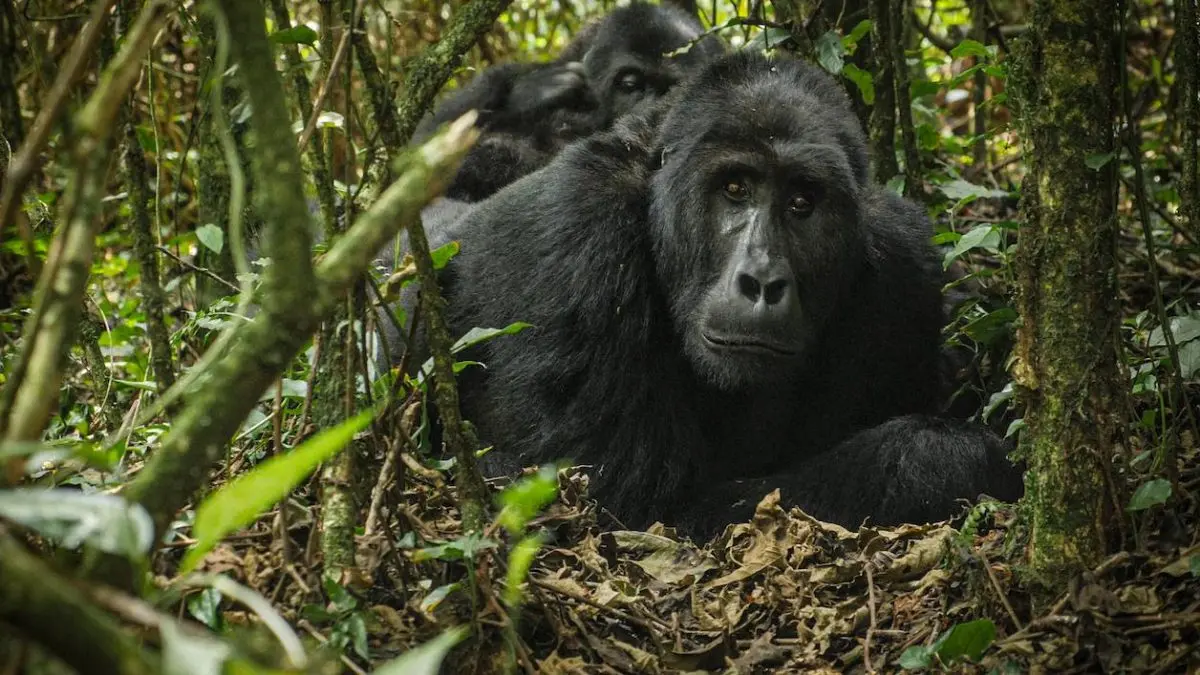
Rwanda’s primates share close genetic similarity with humans, making them highly vulnerable to disease transmission and stress. Rules limit human impact and prevent behavior that could harm animals physically or psychologically.
These regulations also protect visitors. Wild primates are powerful, intelligent animals with complex social structures. Clear rules reduce risk and ensure encounters unfold predictably and respectfully.
Mandatory Briefings Before Tracking
Every primate tracking activity begins with a mandatory briefing at park headquarters. Rangers explain rules, safety protocols, and behavioral expectations before visitors enter the forest.
These briefings ensure that all participants understand their responsibilities. Skipping or ignoring instructions undermines both safety and conservation goals, which is why attendance is compulsory.
Group Size Limits
Rwanda strictly controls group sizes for primate tracking. Small groups reduce noise, stress, and crowding around animals. Gorilla trekking groups are especially limited due to the sensitivity of mountain gorillas.
Smaller groups also improve observation quality. Visitors enjoy quieter, more intimate encounters without pressure or distraction.
Time Limits With Primates
Time spent observing primates is strictly regulated. For gorillas, the limit is one hour per group once contact is made. Chimpanzee encounters may be shorter due to their movement patterns.
These limits protect primates from prolonged exposure to humans. Although brief, the encounters remain emotionally powerful and ethically sound.
Minimum Distance Requirements
Visitors must maintain a minimum distance from primates at all times. This distance reduces disease transmission and prevents stress or defensive behavior.
If primates move closer voluntarily, visitors must remain still and follow ranger instructions. Allowing animals to control proximity respects their autonomy and safety.
Health and Illness Restrictions
Anyone showing signs of illness is prohibited from tracking primates. Even mild symptoms such as coughs or flu-like conditions pose serious risks to primates.
This rule is enforced strictly and without exception. Protecting primate health takes priority over individual travel plans.
Behavior and Movement Guidelines
Visitors must remain calm, quiet, and composed during tracking. Sudden movements, shouting, or gestures can alarm primates and disrupt their behavior.
Rangers guide positioning and movement throughout the encounter. Following instructions ensures safety and preserves the natural flow of the experience.
Photography Rules and Restrictions
Flash photography is strictly prohibited during primate tracking. Flash can frighten animals and provoke defensive reactions.
Photographers must adjust equipment to low-light conditions and prioritize ethical observation over perfect shots. Respectful photography protects both animals and visitors.
Food, Drink, and Litter Rules
Eating or drinking near primates is not allowed. Food attracts animals and increases disease transmission risk.
All litter must be carried out of the forest. Rwanda enforces a strict no-trace policy to protect fragile ecosystems and wildlife.
Use of Porters and Support Staff
Porters are permitted and encouraged to assist visitors during tracking. They help carry bags and provide stability on challenging terrain.
Porters follow the same rules as visitors, ensuring consistent behavior and safety standards throughout the group.
Compliance and Ranger Authority
Rangers have full authority during primate tracking activities. Their instructions are final and based on animal behavior, terrain, and safety considerations.
Failure to comply with rules can result in removal from the activity without refund. This strict enforcement protects the integrity of Rwanda’s conservation model.
Differences Between Gorilla, Chimpanzee, and Monkey Rules
While core principles remain consistent, rules vary slightly between species. Gorilla trekking rules are the most stringent due to vulnerability and close observation distances.
Chimpanzee and monkey tracking rules allow more movement and flexibility, reflecting species behavior. Understanding these differences helps visitors adapt expectations accordingly.
Conservation Impact of Rule Compliance
Following primate tracking rules directly supports conservation. Reduced stress, lower disease risk, and controlled encounters contribute to population stability and long-term survival.
Rwanda’s primate population recovery demonstrates the effectiveness of these rules. Responsible tourism plays a key role in sustaining this success.
Visitor Responsibility and Ethical Travel
Visitors are not passive observers but active participants in conservation. Every action taken during primate tracking influences animal welfare and ecosystem health.
Ethical behavior ensures that future generations can experience Rwanda’s primates in their natural habitat. Responsibility enhances meaning and legacy.
Plan Your Safari
Primate tracking rules in Rwanda protect wildlife, visitors, and the integrity of the experience. By understanding and respecting these guidelines, travelers contribute to one of Africa’s most successful conservation models. Thoughtful compliance transforms primate tracking into a safe, ethical, and deeply rewarding journey.