Primate Photography Tips in Rwanda
Primate photography in Rwanda is one of the most rewarding yet challenging wildlife photography experiences in Africa. Whether photographing mountain gorillas in Volcanoes National Park, chimpanzees in Nyungwe Forest, or golden monkeys in bamboo forests, success depends less on expensive equipment and more on preparation, patience, and ethical practice. Rwanda’s primate encounters happen in dense forests with low light, fast movement, and strict rules that shape how photography unfolds.
Understanding these conditions before entering the forest allows photographers to adapt their approach and capture meaningful images without disturbing wildlife. Primate photography in Rwanda is about storytelling, emotion, and respect rather than volume or spectacle.
Understanding Forest Photography Conditions
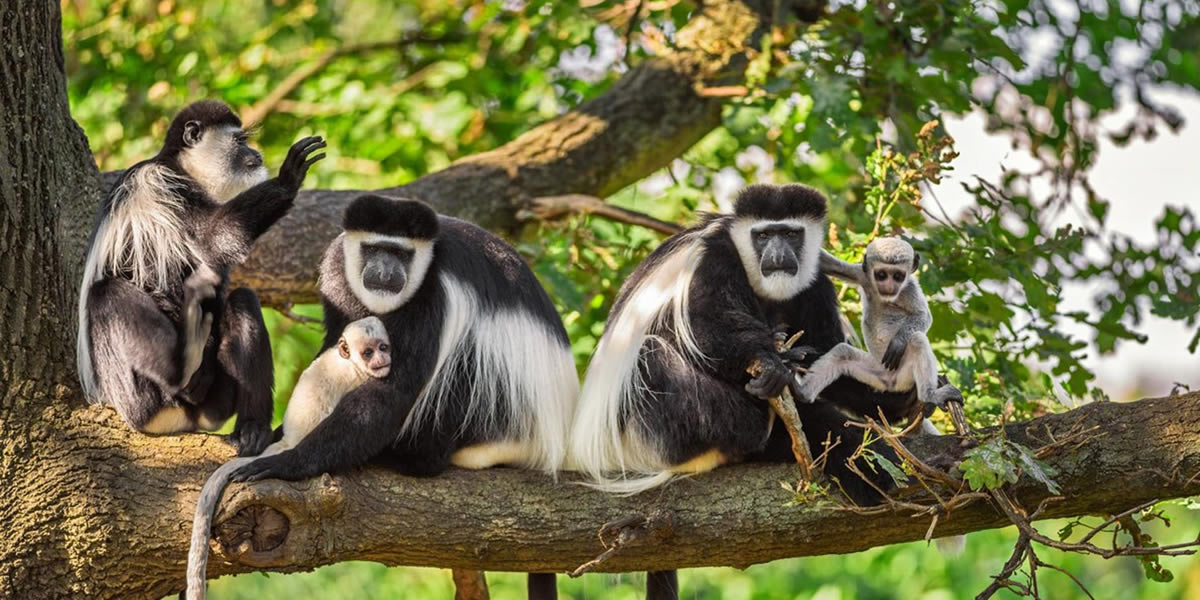
Rwanda’s primate habitats are characterized by thick vegetation, filtered light, and frequent changes in brightness. Forest canopies block direct sunlight, creating low-light conditions even during the day. Photographers must adapt quickly to shifting shadows and movement.
Humidity and mist are common, particularly in Nyungwe Forest. These conditions affect lens clarity and camera performance. Preparing for moisture and adjusting expectations helps photographers remain focused and patient throughout the experience.
Respecting Photography Rules and Ethics
Photography rules in Rwanda’s national parks are strict and non-negotiable. Flash photography is prohibited for all primate encounters due to the stress it causes animals. Rangers enforce this rule consistently.
Ethical photography prioritizes animal welfare over image perfection. Maintaining distance, avoiding aggressive positioning, and following ranger instructions ensure that photography remains responsible and sustainable.
Choosing the Right Camera Settings
Fast shutter speeds are essential for primate photography, especially when photographing chimpanzees and golden monkeys. These primates move quickly through trees, requiring rapid response to capture sharp images.
Wider apertures help manage low light but require careful focus control. Adjusting ISO settings thoughtfully balances exposure and image quality, especially in shaded forest environments.
Lens Selection for Primate Photography
Medium to long telephoto lenses work best for primate photography in Rwanda. These lenses allow photographers to maintain required distance while capturing detailed expressions and behavior.
Extremely long lenses are often unnecessary due to close proximity during gorilla trekking. Versatile zoom lenses offer flexibility when movement and distance change unexpectedly.
Managing Movement and Composition
Primate photography is dynamic rather than static. Chimpanzees and monkeys rarely stay still, and even gorillas shift positions subtly. Anticipating movement rather than reacting to it improves composition.
Framing should consider forest context rather than isolating subjects completely. Including vegetation and environment adds depth and authenticity to images.
Light Management in Dense Forests
Low-light conditions demand patience and technical awareness. Waiting for moments when primates move into slightly brighter areas improves image clarity.
Photographers should avoid chasing light aggressively, which can disrupt the group. Calm observation often yields better results than constant repositioning.
Capturing Emotion and Behavior
The most powerful primate photographs often focus on emotion rather than action. Eye contact, family interaction, grooming, and quiet moments convey depth and connection.
Observing behavior before raising the camera helps anticipate meaningful moments. Slowing down enhances both photography and personal experience.
Photography During Gorilla Trekking
Gorilla trekking offers some of the closest wildlife photography opportunities in Africa. However, photographers must remain mindful of time limits and group movement.
Because encounters are limited to one hour, photographers should balance shooting with observation. Over-photographing can lead to missed emotional moments.
Chimpanzee and Golden Monkey Photography Challenges
Chimpanzee photography requires quick reflexes and adaptability. Subjects often appear briefly before moving again, making patience and readiness essential.
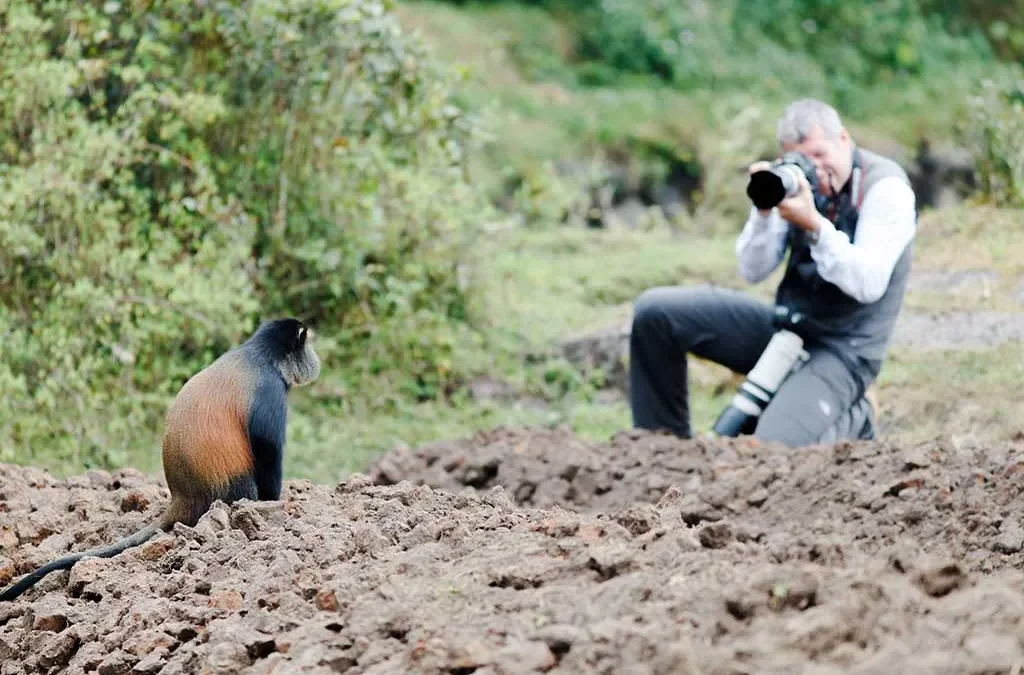
Golden monkeys offer bright colors and playful behavior but move rapidly through bamboo. Capturing sharp images requires fast shutter speeds and constant awareness.
Protecting Equipment in the Forest
Rain, humidity, and mud pose risks to camera equipment. Weather-resistant gear, lens cloths, and protective covers help safeguard cameras.
Keeping equipment minimal reduces distraction and fatigue. Carrying only essential gear allows photographers to move comfortably and respond quickly.
Balancing Photography With Experience
Many photographers struggle with balancing documentation and presence. Constant shooting can create distance from the emotional experience of primate encounters.
Allowing moments without the camera enhances memory and perspective. Photography should complement, not replace, connection.
Learning From Rangers and Guides
Rangers offer valuable insight into primate behavior and movement. Observing their cues improves anticipation and positioning for photography.
Listening closely rather than focusing solely on the camera improves both safety and photographic outcomes.
Who Primate Photography in Rwanda Is Best For
Primate photography in Rwanda suits photographers who value storytelling, patience, and ethical practice. It appeals to those comfortable with challenging conditions and unpredictable subjects.
Those seeking controlled or high-volume shooting may find forest conditions demanding. However, photographers who embrace realism find the experience deeply fulfilling.
Plan Your Safari
Primate photography in Rwanda rewards preparation, respect, and presence. By understanding forest conditions, following rules, and prioritizing ethical behavior, photographers capture images that reflect authenticity and emotion. With patience and awareness, Rwanda’s primates offer some of the most meaningful wildlife photography opportunities in the world.