
Primate Conservation Volunteering in Uganda
Uganda is a premier destination for primate conservation, offering volunteers a unique opportunity to engage directly with endangered species while contributing to ecological preservation. Beyond gorillas and chimpanzees, Uganda is home to a variety of monkey species, including colobus monkeys, red-tailed monkeys, and blue monkeys, all of which benefit from conservation efforts. Volunteering combines fieldwork, research, and community education, providing a holistic understanding of wildlife conservation in one of Africa’s most biodiverse countries.
Gorilla Conservation Programs
Volunteering in Bwindi Impenetrable Forest and Mgahinga Gorilla National Park allows participants to assist with ongoing gorilla research projects. Volunteers help track gorilla families, observing behaviors such as feeding, nesting, and social interactions, which contribute to understanding their social structures and population health. Some programs also involve habitat maintenance, such as clearing trekking trails, controlling invasive plant species, and planting native trees to restore degraded areas. Volunteers often collaborate with researchers to record data on group movement, population dynamics, and threats such as poaching or human encroachment. This work supports long-term conservation strategies and helps ensure that mountain gorillas thrive in their natural environment.
Chimpanzee Conservation in Kibale Forest
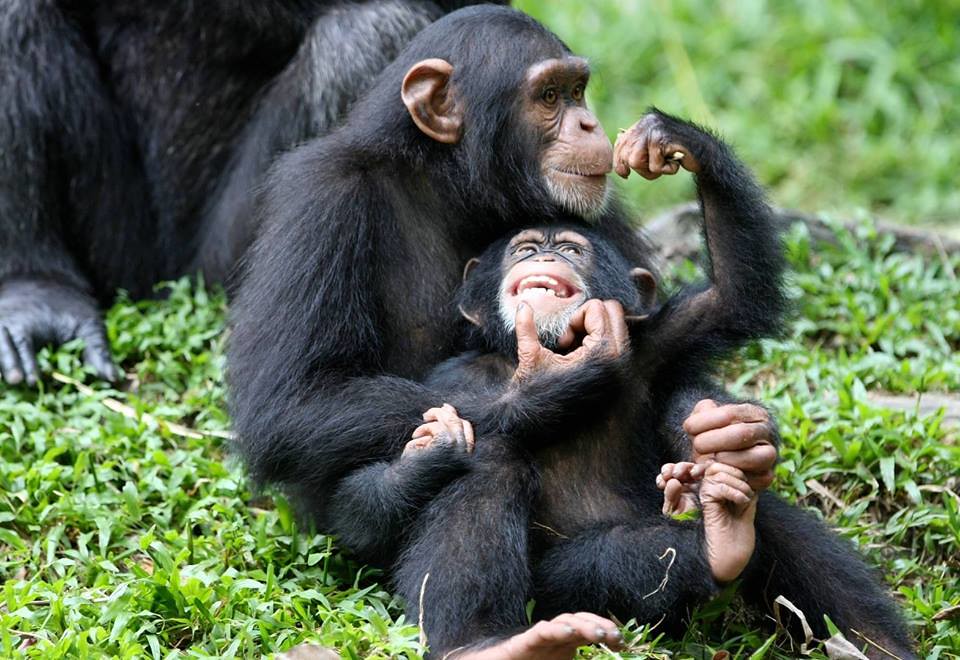
Kibale Forest National Park is renowned for chimpanzee habituation programs. Volunteers participate in chimpanzee tracking, observing social behaviors, feeding patterns, and interactions with other species. They may also engage in data collection for research projects on chimpanzee health, ecology, and population trends. In addition, volunteers help monitor forest trails and assist in habitat restoration projects, contributing to a sustainable environment for both chimpanzees and other primates.
Engaging with Local Communities
Community involvement is a core aspect of primate conservation. Volunteers often support initiatives that educate local residents on the importance of protecting primate habitats and minimizing human-wildlife conflicts. Programs may include school visits, awareness campaigns, and workshops promoting sustainable livelihoods, such as beekeeping or eco-tourism. These activities not only help safeguard primate populations but also empower communities economically, creating incentives to preserve forests and wildlife.
Wildlife Monitoring and Research
Volunteers gain experience in scientific research and ecological monitoring, working alongside trained conservationists. Tasks may include identifying animal tracks, recording sightings, collecting behavioral data, and using GPS and mapping tools to track movements. Participants may also help with camera trap monitoring to study nocturnal or elusive species. These efforts contribute to global conservation databases, aiding in policy development, anti-poaching strategies, and habitat protection plans.
Accommodation and Living Conditions
Primate conservation projects offer immersive experiences in eco-lodges, volunteer camps, or community homestays. Living conditions vary from basic field huts to comfortable lodges, depending on the project. Volunteers often share meals and living spaces, creating a collaborative and social environment. Immersive stays provide opportunities to observe wildlife up close, enjoy forest sounds, and experience the rhythms of local life, all while actively contributing to conservation.
Skills Development and Training
Volunteering in Uganda provides practical skills in wildlife monitoring, research methodology, and conservation strategies. Participants develop expertise in primate behavior observation, field data collection, GPS mapping, and forest ecology. They also gain soft skills, including teamwork, problem-solving, and cultural awareness, which are valuable for careers in conservation, biology, and environmental management. Many programs offer certificates of participation, which can support academic or professional development.
Ethical Guidelines and Safety
Ethical conduct is crucial in primate conservation. Volunteers are trained to maintain safe distances from wildlife, minimize disturbances, and adhere to park regulations. Hygiene protocols, such as handwashing before entering forest areas, help prevent disease transmission. Safety measures, including working in groups, following guide instructions, and wearing appropriate clothing, ensure a secure volunteering experience in remote forested areas.
Timing and Duration
Programs are available throughout the year, with dry seasons (June–September and December–February) offering better accessibility for trekking and fieldwork. Volunteer placements can last from one week to several months, depending on the project and participant availability. Short-term programs allow travelers to combine volunteering with safari experiences, while longer-term placements provide deeper immersion in conservation efforts and community engagement.
Benefits of Volunteering
Participating in primate conservation in Uganda offers profound personal and professional rewards. Volunteers gain a unique understanding of primate ecology, contribute to meaningful conservation outcomes, develop field research skills, and engage with local communities. The experience also provides unparalleled wildlife observation opportunities, including close encounters with gorillas, chimpanzees, and other forest primates, all within the breathtaking landscapes of Uganda’s national parks.
Making a Lasting Impact
Primate conservation volunteering in Uganda is an immersive, educational, and impactful experience. It allows participants to actively contribute to the protection of some of the world’s most endangered primates while gaining hands-on research and conservation skills. By volunteering responsibly and ethically, individuals not only enrich their own understanding and appreciation of wildlife but also support long-term ecological sustainability and community development. For wildlife enthusiasts, conservationists, and travelers seeking purpose-driven adventures, Uganda offers an unmatched opportunity to make a tangible difference.