Primate Conservation in Rwanda
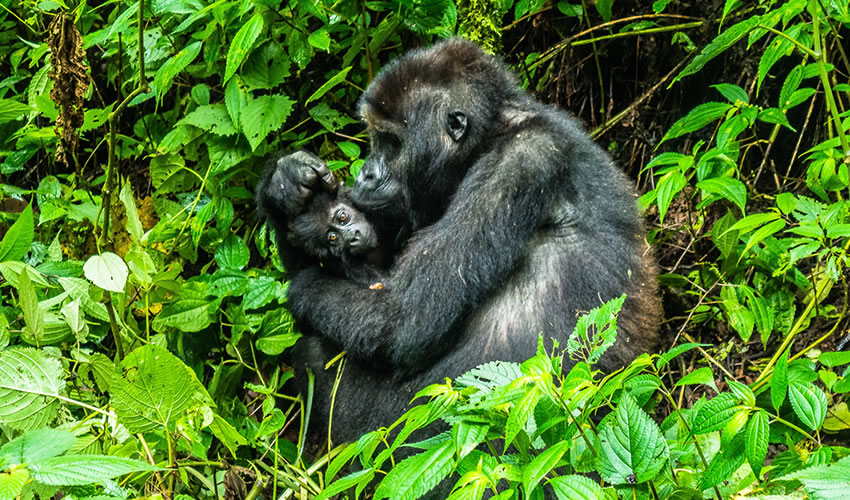
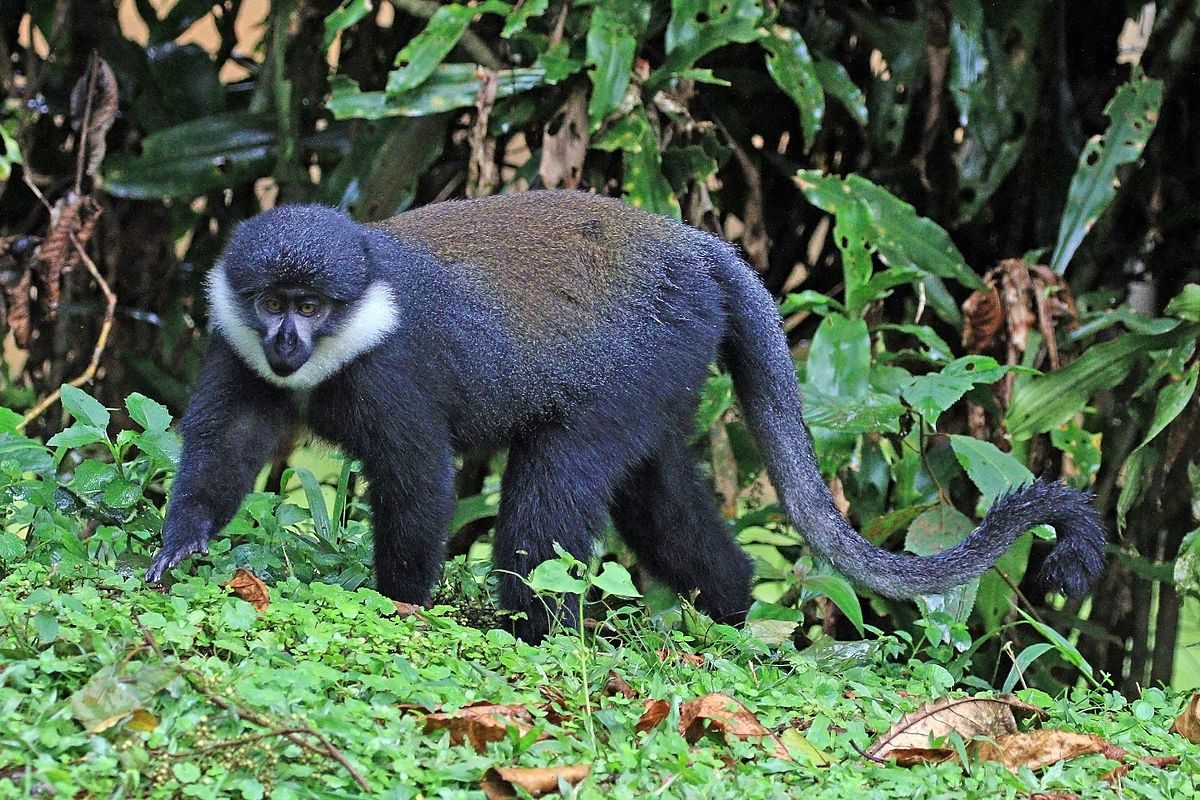
Primate conservation in Rwanda extends far beyond gorilla protection. While mountain gorillas draw global attention, Rwanda also safeguards chimpanzees, golden monkeys, colobus monkeys, and several other primate species that play essential roles in forest ecosystems. The country’s conservation model treats primates as indicators of ecosystem health, linking wildlife protection to community development and sustainable tourism.
Rwanda’s approach emphasizes long-term planning, strict protection, and shared benefits. By integrating conservation into national policy and tourism strategy, Rwanda has created one of Africa’s most effective primate protection frameworks.
Importance of Primate Conservation
Primates are keystone species within Rwanda’s forests. Their feeding and movement patterns contribute to seed dispersal, forest regeneration, and ecological balance. Protecting primates helps maintain healthy forest systems that support countless other species.
Because primates share close genetic similarities with humans, they are especially vulnerable to disease and habitat disturbance. Conservation efforts must therefore be precise, consistent, and science-driven to ensure survival.
Key Primate Habitats in Rwanda
Rwanda’s main primate habitats include Volcanoes National Park and Nyungwe Forest National Park. Each protects distinct species and ecosystems that require tailored conservation strategies.
Volcanoes National Park focuses on mountain gorillas and golden monkeys, while Nyungwe Forest protects chimpanzees and multiple monkey species. Managing these habitats requires understanding species-specific needs and behaviors.
Role of Protected Areas
National parks form the backbone of primate conservation in Rwanda. Strict boundaries, regulated access, and professional management reduce threats such as poaching and habitat encroachment.
Protected areas also enable long-term monitoring and research. Continuous observation helps conservation teams respond quickly to health issues, population changes, or emerging threats.
Tourism as a Conservation Tool
Tourism plays a central role in funding primate conservation. Permit fees from gorilla and chimpanzee trekking generate revenue that supports park operations, ranger salaries, and veterinary care.
Rwanda follows a high-value, low-volume tourism model. By limiting visitor numbers and charging premium fees, the country reduces pressure on primates while securing sufficient funding for protection.
Veterinary and Health Monitoring
Dedicated veterinary teams monitor primate health daily, particularly for gorillas. These teams track injuries, illnesses, and behavioral changes, intervening when necessary.
Health protocols also regulate human-primate interaction. Strict illness rules and distance requirements protect primates from human-borne diseases.
Anti-Poaching and Law Enforcement
Rwanda invests heavily in ranger training, equipment, and patrols to prevent poaching and illegal activity. Rangers remove snares, monitor park boundaries, and respond to threats promptly.
Strong law enforcement deters wildlife crime and reinforces the seriousness of conservation efforts. This consistency has contributed significantly to primate population stability.
Community Involvement in Conservation
Local communities are key partners in primate conservation. Revenue-sharing programs allocate a portion of tourism income to communities living near national parks.
These funds support education, healthcare, and infrastructure projects, reducing reliance on forest resources. When communities benefit directly, conservation becomes a shared priority rather than an imposed restriction.
Education and Awareness Programs
Conservation education strengthens long-term protection. Rwanda invests in awareness programs that teach communities and visitors about primate importance and ecosystem balance.
Education fosters pride and stewardship, encouraging responsible behavior and support for conservation initiatives.
Research and Monitoring
Scientific research informs Rwanda’s conservation strategies. Long-term studies on primate behavior, population dynamics, and habitat use guide management decisions.
Collaboration with international researchers strengthens knowledge exchange and innovation. Research ensures conservation remains adaptive and evidence-based.
Challenges Facing Primate Conservation
Despite success, challenges remain. Habitat pressure, climate change, and disease risks continue to threaten primates. Growing human populations near parks increase the need for careful management.
Rwanda addresses these challenges through proactive planning, habitat protection, and continuous monitoring. Adaptability remains central to conservation success.
Global Significance of Rwanda’s Conservation Model
Rwanda’s primate conservation model is recognized globally for its effectiveness. The integration of tourism, community benefits, and strict protection offers a blueprint for other countries.
This approach demonstrates that conservation can succeed when wildlife protection aligns with national development goals.
Role of Responsible Travelers
Travelers play an important role in primate conservation. Following rules, respecting wildlife, and supporting ethical tourism practices contribute directly to protection efforts.
Every permit purchased supports conservation programs. Responsible behavior ensures tourism remains a positive force for primates.
Plan Your Safari
Primate conservation in Rwanda reflects commitment, collaboration, and long-term vision. By protecting primates and their habitats, Rwanda safeguards biodiversity while supporting communities and sustainable tourism. Visitors who travel responsibly become part of a conservation success story that extends far beyond a single encounter.