Preparation for a Gorilla Trekking Experience
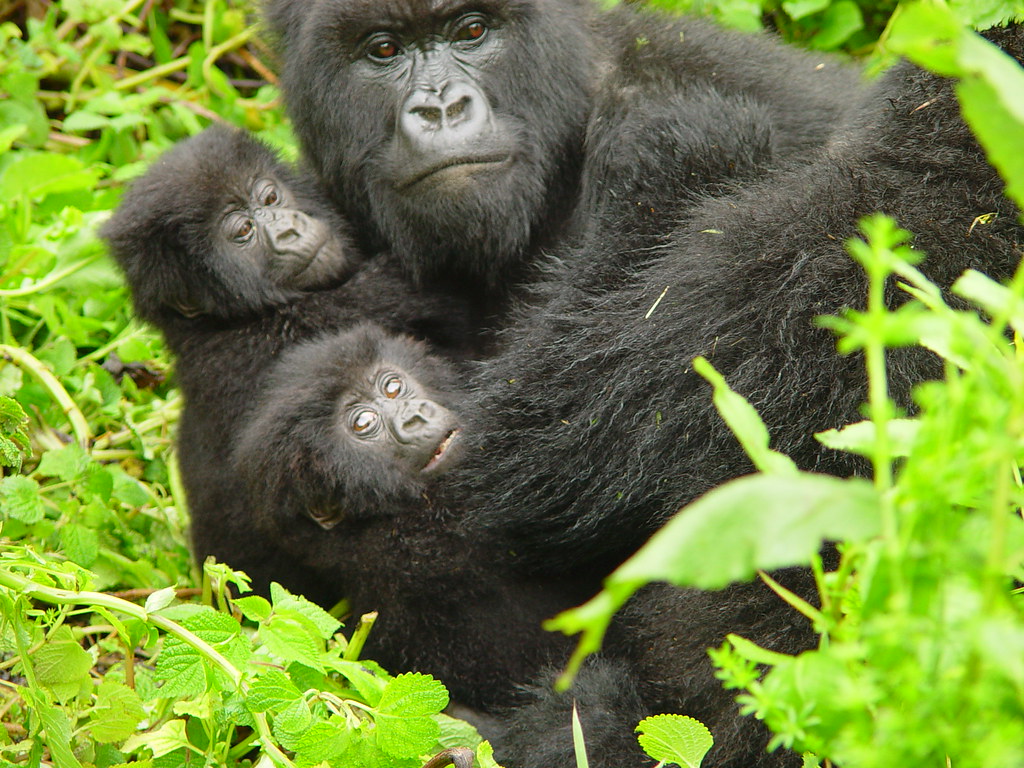
Gorilla trekking in Uganda is one of the most extraordinary wildlife encounters, offering the opportunity to observe endangered mountain gorillas in their natural habitat. Unlike conventional wildlife safaris, gorilla trekking is physically demanding and requires careful preparation to ensure safety, comfort, and adherence to conservation protocols. Detailed preparation allows travelers to fully immerse themselves in the experience while protecting both themselves and the gorillas.
Physical Fitness and Health Preparation
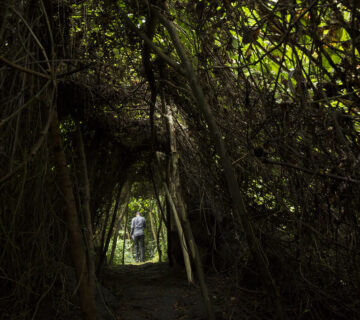
Trekking in Bwindi Impenetrable Forest or Mgahinga National Park requires moderate to good physical fitness. Trails are often steep, muddy, and uneven, with dense vegetation and occasional river crossings. Treks can last anywhere from two to six hours depending on gorilla location and movement. Preparing in advance through cardiovascular exercise, leg and core strengthening, and endurance training helps minimize fatigue and reduce risk of injury.
Travelers with pre-existing medical conditions should consult a healthcare professional. Conditions such as asthma, heart disease, or joint problems may require special precautions. Proper acclimatization to Uganda’s moderate altitude is recommended, particularly in higher sectors like Ruhija or Nkuringo. Adequate hydration and rest before trekking are essential to prevent exhaustion.
Gear and Clothing Essentials
The right gear ensures both comfort and safety. Recommended items include:
-
Sturdy, waterproof hiking boots with good grip and ankle support for uneven terrain.
-
Long-sleeved shirts and long pants to protect from scratches, insect bites, and thorny vegetation.
-
Lightweight, breathable, and quick-drying layers to adjust to variable forest temperatures.
-
Rain gear, including a waterproof jacket, poncho, and gaiters, essential during wet seasons.
-
Gloves to protect hands when navigating steep or dense forest areas.
-
Hat and sunglasses for sun protection during breaks or forest edges.
-
Backpack to carry water, snacks, first-aid kit, camera, and other essentials.
-
Trekking poles or walking sticks, often available for hire, to assist on steep or slippery trails.
Clothing should be neutral-colored to avoid disturbing gorillas. Waterproof and moisture-wicking fabrics are crucial, particularly during the rainy season.
Health Precautions and Vaccinations
Mountain gorillas are highly susceptible to human illnesses, making health precautions critical:
-
Ensure routine vaccinations are current.
-
Yellow fever vaccination is often mandatory for entry to Uganda.
-
Tetanus, polio, and hepatitis boosters are recommended.
-
Take malaria prophylaxis, as Bwindi and Mgahinga are malaria-prone.
-
Avoid trekking if experiencing respiratory infections, flu, or coughs.
In some cases, park authorities require trekkers to wear face masks to prevent disease transmission.
Understanding Permits and Regulations
A gorilla trekking permit, issued by the Uganda Wildlife Authority, is mandatory for all trekkers. Each permit allows one hour with a habituated gorilla family, accompanied by trained rangers. Trekking groups are strictly limited to eight people per family to minimize stress on the gorillas and reduce environmental impact.
Key regulations include:
-
Maintain a minimum distance of seven meters from gorillas.
-
Avoid direct eye contact, loud noises, and sudden movements.
-
Limit trekking time to one hour with the gorilla family.
-
Follow all instructions from rangers without deviation.
Understanding these rules beforehand ensures a safe and ethical experience for both trekkers and gorillas.
Seasonal Planning and Trail Considerations
The timing of your trek significantly affects trail conditions, comfort, and overall experience:
-
Dry Seasons (June–September and December–February): Trails are firm, less slippery, and easier to navigate. These months are ideal for first-time trekkers, photographers, and those prioritizing comfort. Peak tourist demand makes early booking essential.
-
Wet Seasons (March–May and October–November): Trails are muddy and more challenging, requiring careful preparation and rain gear. These months offer lush scenery, vibrant forest life, and fewer tourists, ideal for photographers and those seeking solitude.
Proper seasonal preparation ensures safety, maximizes enjoyment, and reduces the risk of logistical challenges during your trek.
Mental Preparation and Expectations
Gorilla trekking is both physically and emotionally intense. Trekkers must be prepared for:
-
Extended periods of hiking through dense and humid forest.
-
Unpredictable trek durations due to gorilla movements.
-
Occasional steep climbs, river crossings, and slippery terrain.
-
Emotional intensity upon encountering gorillas, including strong feelings of awe, connection, and reverence.
Patience, flexibility, and a respectful mindset toward wildlife and guides are critical for a rewarding experience.
Photography Preparation
For wildlife photography, trekkers should plan equipment carefully:
-
Zoom lenses for close-up gorilla shots without encroaching on their space.
-
Spare batteries and memory cards to last long treks.
-
Waterproof covers to protect cameras from rain and humidity.
-
Tripods are generally impractical due to terrain, but small monopods may assist with stability.
Flash photography is strictly prohibited, and photographers must maintain a safe distance at all times.
Logistics and Travel Arrangements
Efficient planning of transportation, accommodation, and guides is crucial. Most trekkers arrive via road or domestic flights to Bwindi or Mgahinga. Booking through licensed tour operators ensures:
-
Secured gorilla trekking permits
-
Smooth transportation and park transfers
-
Accommodation aligned with trekking sectors
-
Expert guidance throughout the safari
Adequate travel planning allows for acclimatization, rest, and flexibility in case of changes in trekking schedules.
Tips for a Successful Gorilla Trekking Experience
-
Hire a local porter to assist with daypacks, especially on longer or steep treks.
-
Stay near the trekking sector to minimize early morning travel.
-
Carry sufficient water and light snacks for energy during the hike.
-
Follow all ranger instructions to protect gorilla welfare and personal safety.
-
Prepare for variable weather with layered clothing and rain protection.