Nyungwe vs Kibale Chimpanzee Trekking
Nyungwe Forest in Rwanda and Kibale Forest in Uganda are two of East Africa’s most renowned destinations for chimpanzee trekking. Travelers often compare these parks when planning primate-focused safaris, seeking to understand which offers the better experience. While both protect significant chimpanzee populations, the trekking style, environment, and overall feel differ considerably.
Choosing between Nyungwe and Kibale depends on travel priorities rather than superiority. Each destination offers a distinct perspective on chimpanzee behavior, habitat, and conservation. Understanding these differences helps travelers select the experience that aligns best with their expectations.
Forest Environment and Landscape
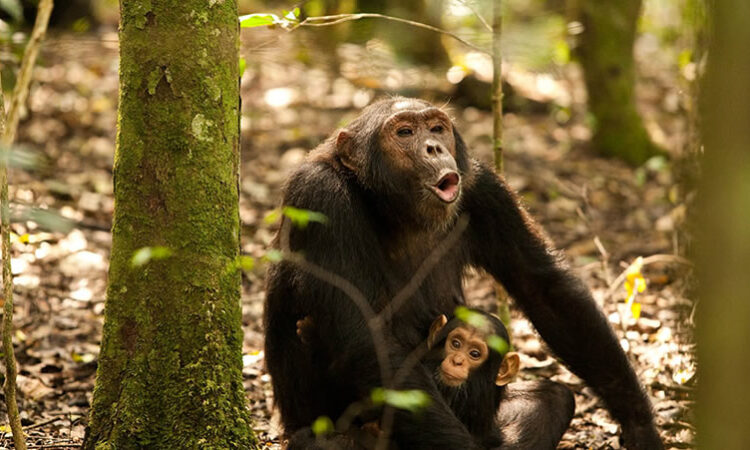
Nyungwe Forest is an ancient montane rainforest characterized by dense vegetation, steep valleys, and mist-covered ridges. Its landscape feels wild, immersive, and atmospheric, with a sense of depth created by continuous forest cover stretching across hills and valleys.
Kibale Forest, by contrast, features a mix of dense forest and open woodland. The terrain is generally flatter and more accessible, allowing easier movement through the forest. This openness creates a different trekking rhythm and visual experience.
Chimpanzee Behavior and Movement
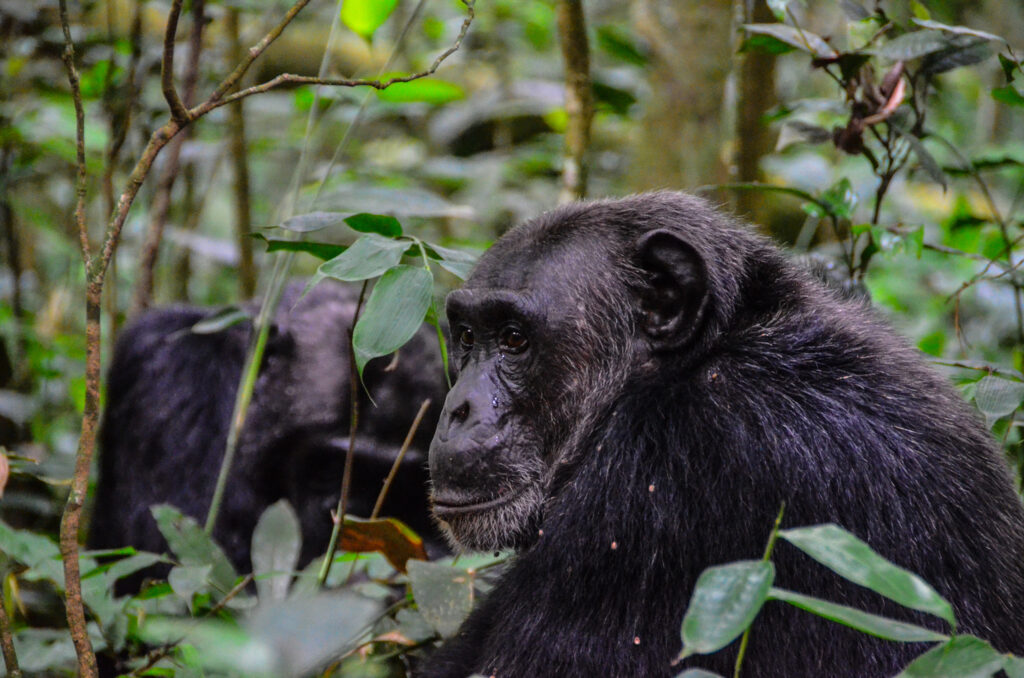
Chimpanzees in Nyungwe Forest are highly active and wide-ranging. They spend much of their time in the canopy, moving quickly between feeding areas. Encounters are often dynamic, with brief sightings as chimpanzees travel through the forest.
In Kibale Forest, chimpanzees tend to be easier to observe for longer periods. The forest structure allows for more ground-level visibility, making sightings feel more sustained and predictable. This difference influences how relaxed or fast-paced the experience feels.
Trekking Difficulty and Physical Demands
Chimpanzee trekking in Nyungwe Forest is generally more physically demanding. Steep slopes, uneven ground, and dense undergrowth require stamina and agility. The pace can be brisk due to chimpanzee movement patterns.
Kibale Forest offers easier trekking conditions. Trails are more established, and terrain is less challenging. This makes Kibale appealing to travelers seeking a more comfortable physical experience.
Sightings and Observation Quality
Nyungwe offers thrilling, energetic sightings but often in shorter bursts. Chimpanzees may appear overhead, vocalize loudly, and move on quickly. This unpredictability creates excitement but demands attentiveness.
Kibale typically delivers longer observation periods. Chimpanzees may remain visible for extended time, allowing detailed observation of feeding, grooming, and social behavior. This consistency appeals to travelers who value prolonged viewing.
Group Size and Visitor Experience
Both Nyungwe and Kibale control group sizes to reduce impact. However, Nyungwe’s experience often feels more secluded due to its vast forest interior and lower visitor density.
Kibale sees higher visitor numbers, particularly during peak seasons. While management remains effective, the experience can feel more structured and predictable.
Photography Opportunities
Photography in Nyungwe requires fast reflexes and adaptability. Low light, fast movement, and canopy-level sightings challenge photographers but reward patience with dramatic images.
Kibale offers more stable photography conditions. Better light penetration and longer sightings allow photographers to compose shots more easily and adjust settings calmly.
Conservation Approach and Impact
Both parks play vital roles in chimpanzee conservation. Nyungwe emphasizes forest preservation at scale, protecting one of Africa’s largest remaining montane rainforests.
Kibale focuses on intensive chimpanzee research and community involvement. Its long history of primate study contributes significantly to global understanding of chimpanzee behavior.
Accessibility and Travel Logistics
Nyungwe Forest is located in southwestern Rwanda and requires a longer drive from Kigali. Its remote setting enhances the sense of wilderness but requires additional travel planning.
Kibale Forest is more centrally located within Uganda’s tourism circuit, often combined with other parks. This accessibility simplifies multi-destination itineraries.
Experience Style and Atmosphere
Nyungwe offers a raw, immersive rainforest experience that feels adventurous and unpredictable. The forest itself is a central character in the trek, shaping every moment.
Kibale delivers a more structured and educational experience. Clear trails, research presence, and consistent sightings create a feeling of reliability and ease.
Who Nyungwe Is Best For
Nyungwe suits travelers seeking challenge, immersion, and a sense of exploration. It appeals to those comfortable with physical exertion and unpredictability.
Travelers who enjoy atmosphere and raw wilderness often find Nyungwe deeply rewarding, even if sightings are brief.
Who Kibale Is Best For
Kibale suits travelers prioritizing ease, consistency, and longer observation periods. It appeals to first-time chimpanzee trekkers and those with limited fitness.
Those interested in research-driven experiences and photography often favor Kibale.
Choosing Between Nyungwe and Kibale
The choice between Nyungwe and Kibale is not about which is better, but which suits your travel style. Nyungwe offers immersion and intensity, while Kibale offers comfort and consistency.
Some travelers choose to experience both to gain a comprehensive understanding of chimpanzee ecology across different environments.
Plan Your Safari
Nyungwe vs Kibale chimpanzee trekking highlights how environment shapes wildlife encounters. Whether you choose Rwanda’s ancient rainforest or Uganda’s accessible woodlands, both offer meaningful insight into chimpanzee behavior. Aligning expectations with travel style ensures a rewarding and memorable primate trekking experience.