Mount Elgon National Park Hiking Trails
Uganda’s Ancient Volcano Adventure
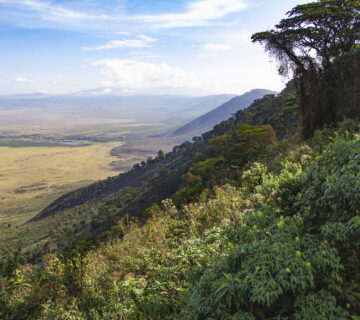
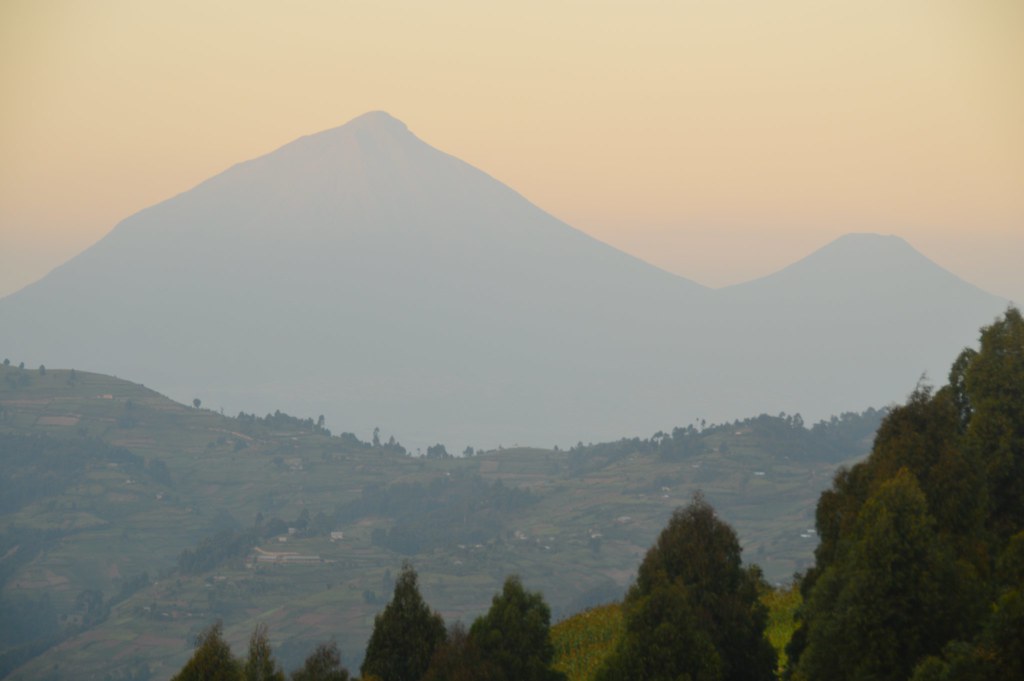
Mount Elgon National Park, located on the border of Uganda and Kenya, is home to Mount Elgon, an ancient extinct volcano rising to 4,321 meters (14,177 feet). Known for its vast caldera, lush forests, bamboo zones, waterfalls, and dramatic cliffs, Mount Elgon offers some of Uganda’s most accessible yet rewarding hiking experiences. Unlike the more rugged Rwenzori Mountains, Mount Elgon is known for well-marked trails, diverse flora, abundant wildlife, and panoramic landscapes, making it ideal for both novice and experienced hikers.
Hiking Trails and Routes
Mount Elgon National Park features a variety of hiking trails ranging from short nature walks to multi-day treks, each offering different experiences. The main routes include:
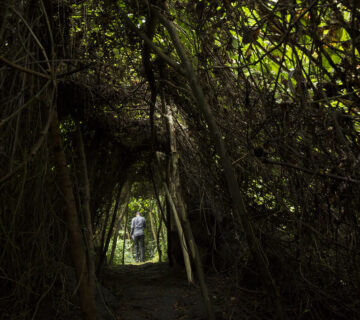
1. Sasa Trail: This is the most popular trail for reaching Sasa Falls and provides a moderate hike through bamboo and montane forests, offering opportunities to spot birds, forest monkeys, and endemic plant species. The trail is well-marked and suitable for beginners and families.
2. Suam Trail: A longer trail that leads through dense forests, open moorlands, and cliffside viewpoints, Suam Trail offers excellent opportunities for photography, birdwatching, and observing Mount Elgon’s diverse flora. It is ideal for hikers seeking a full-day adventure.
3. Wagagai Trail: This trail explores the mountain’s southern slopes, passing through streams, waterfalls, and grassy moorlands. It is popular for those interested in scenic landscapes, camping, and wildlife observation.
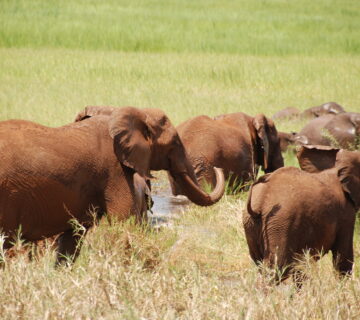
4. Kitum Cave Hike: Kitum Cave is a famous natural attraction in Mount Elgon, known for its elephant activity and large cave formations. The hike combines forest trekking with a visit to the cave, where elephants have historically mined salt deposits. Guides ensure safe navigation and wildlife observation.
Hiking Experience
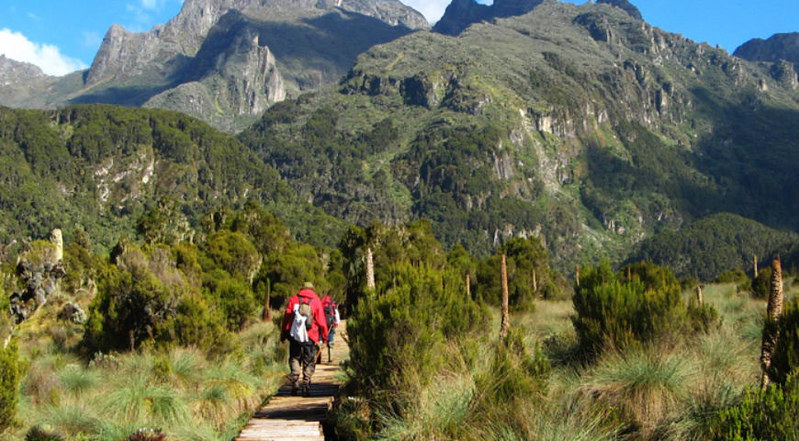
Mount Elgon hiking provides a blend of moderate physical challenge and immersive natural exploration. Hikers traverse forests, bamboo zones, moorlands, and volcanic cliffs, enjoying a mix of wildlife sightings and dramatic scenery. The park is home to forest elephants, buffalos, duikers, monkeys, and a rich diversity of birds, including sunbirds, turacos, and hornbills, making it an excellent destination for both wildlife and bird enthusiasts.
Hiking in Mount Elgon is also a cultural experience, as many trails pass near local communities, providing opportunities to interact with the Bagisu and Sabiny people, learn about traditional farming, and experience local hospitality.
Seasonal Considerations
The best time for hiking is during the dry seasons, from December to February and June to September, when trails are firm and weather conditions are favorable. The wet seasons, from March to May and October to November, bring heavy rainfall, slippery paths, and occasional fog, but also lush greenery, blooming flowers, and increased bird activity. Early morning departures are recommended to maximize visibility and enjoy cooler hiking conditions.
Accommodation
Mount Elgon National Park offers a range of accommodation options for hikers, including camping sites within the park, mid-range lodges, and guesthouses in nearby towns such as Mbale. Some lodges provide guided hiking packages, including meals, porters, and transportation to trailheads, ensuring a smooth trekking experience.
Why Mount Elgon Hiking Trails Are Special
Mount Elgon’s trails are unique because they combine accessibility with scenic diversity and wildlife encounters. Unlike steeper and more challenging mountain ranges, Mount Elgon allows hikers to experience volcanic landscapes, caves, waterfalls, and moorlands without extreme technical climbing. The presence of forest elephants and endemic bird species, along with opportunities for photography and cultural immersion, makes hiking here both adventurous and educational.
Tips for a Successful Trek
-
Wear sturdy hiking boots and layered clothing suitable for changing weather conditions.
-
Carry water, snacks, and a first-aid kit for longer treks.
-
Use local guides for safe navigation and wildlife spotting.
-
Bring a camera and binoculars for wildlife and bird photography.
-
Plan hikes early in the day to enjoy cooler temperatures and maximize daylight.