
Local Markets in Rwanda
Local markets in Rwanda are vibrant centers of daily life, trade, and social interaction. Visiting a market offers travelers an authentic look at how communities buy, sell, and connect—revealing Rwanda’s rhythms far beyond safari lodges and tourist routes.
What Makes Local Markets in Rwanda Special
Rwandan markets are practical, lively, and community-driven. They serve as gathering points where farmers, traders, and artisans exchange goods and news. Unlike curated tourist spaces, these markets operate primarily for local needs, making visits feel genuine and immersive.
From early morning to late afternoon, markets buzz with activity, color, and conversation.
Fresh Produce and Everyday Goods
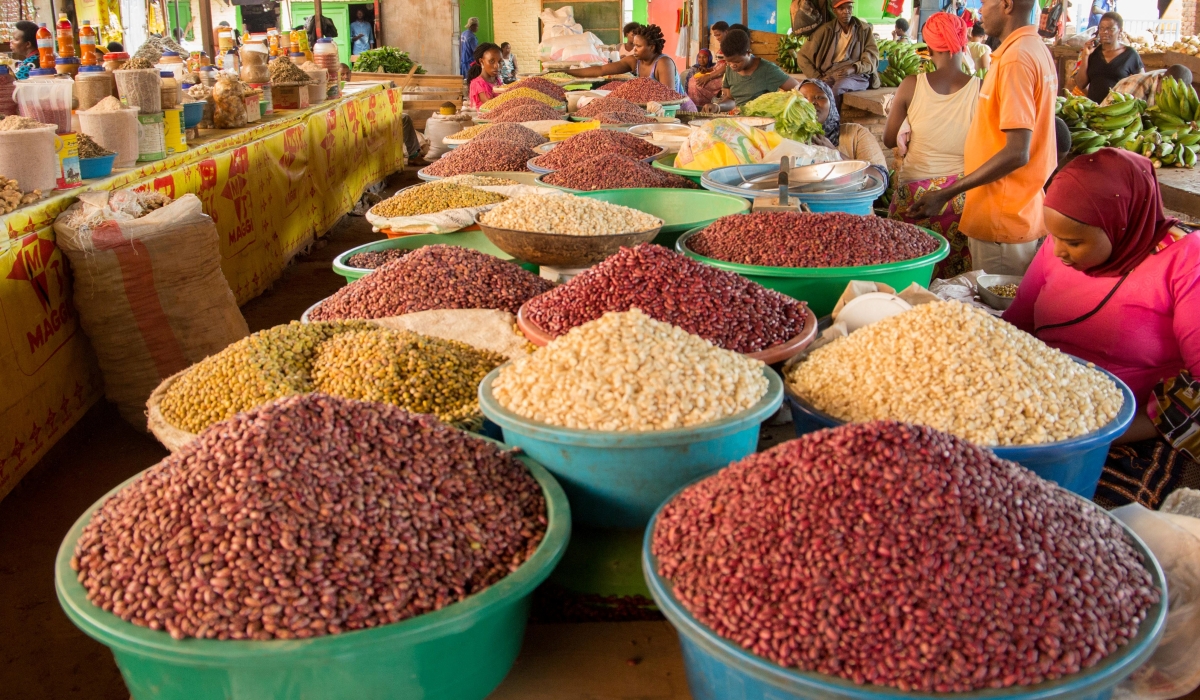
Most markets focus on fresh agricultural produce brought in daily from surrounding hills and valleys. Stalls overflow with bananas, avocados, passion fruit, pineapples, tomatoes, onions, beans, maize, cassava, and sweet potatoes.
Grains, spices, cooking oil, and household essentials fill other sections, reflecting Rwanda’s strong farm-to-market culture and reliance on local production.
Craft and Artisan Sections
Many local markets include areas dedicated to handmade goods. Visitors find woven baskets, mats, pottery, wooden utensils, beadwork, and textiles, often produced by local cooperatives.
These crafts carry cultural meaning and practical value, and purchasing them supports small-scale artisans and community livelihoods directly.
Regional and Urban Markets
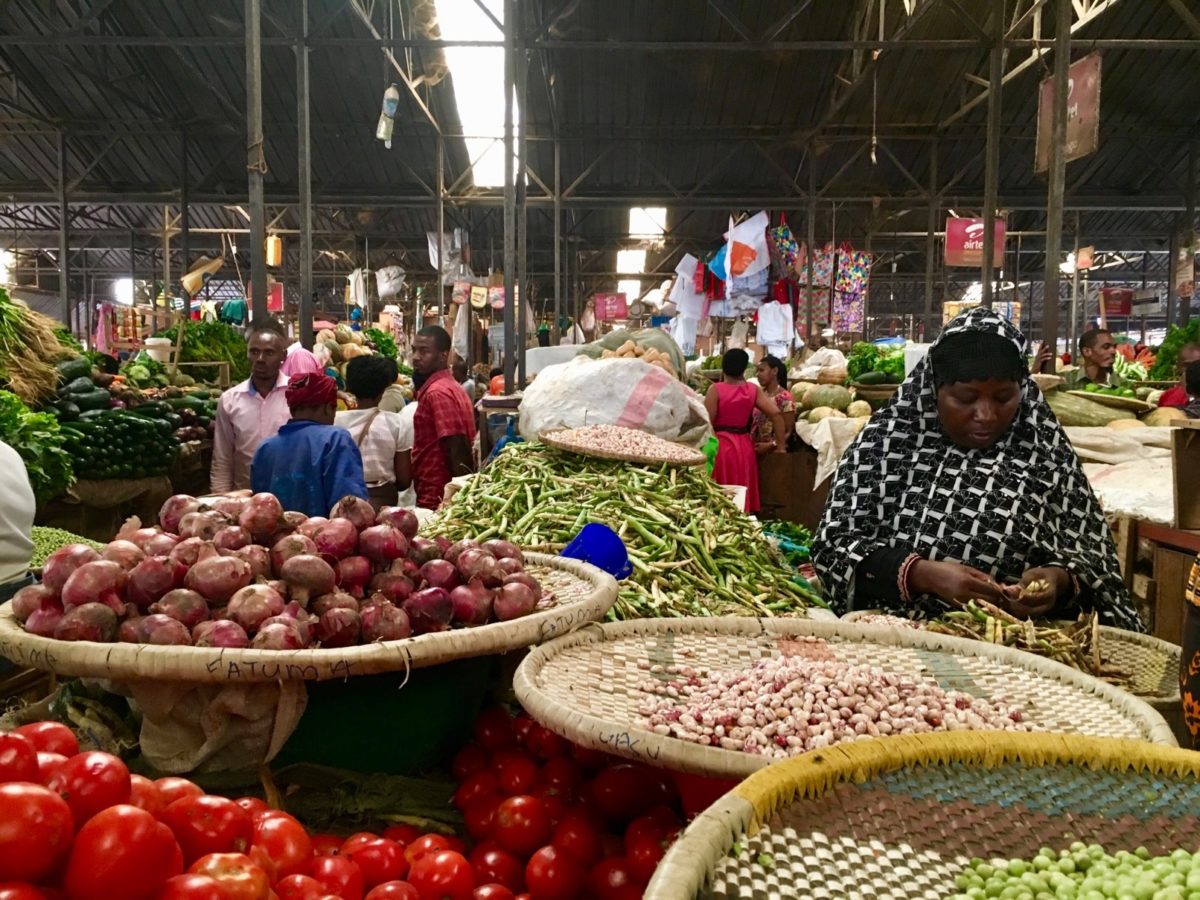
Urban markets, especially in Kigali, are larger and more diverse, combining food, clothing, electronics, and crafts in one space. Rural markets tend to be smaller and more focused on food and farming supplies but offer deeper insight into village life.
Markets near national parks reflect regional influences shaped by environment and livelihood.
Markets Around National Parks
Local markets near Volcanoes National Park, Nyungwe Forest National Park, and Akagera National Park often sell produce grown by communities benefiting from tourism revenue.
Visiting these markets shows how conservation and local economies are closely linked.
Market Etiquette and Visitor Tips
Visitors are welcome in Rwandan markets, but respectful behavior is essential. Greeting vendors politely, asking before taking photos, and avoiding aggressive bargaining reflect cultural sensitivity.
Prices are generally fair, and friendly conversation often matters more than negotiation. Guides can help interpret market dynamics and language where needed.
How Local Markets Fit into a Travel Itinerary
Market visits fit easily into cultural tours, rural village visits, and city excursions. They pair well with food experiences, cooking demonstrations, and community tourism activities, adding everyday context to wildlife and cultural travel.
Even a short market visit can leave a lasting impression.
Best Time to Visit Local Markets
Markets are most active in the morning and early afternoon when fresh produce arrives. Visiting earlier offers better variety and a fuller sense of daily routines. Market days vary by location, especially in rural areas, and guides can advise on timing.
Who Local Market Visits Are Best For
Local markets appeal to travelers seeking authenticity, photographers drawn to color and movement, food lovers exploring ingredients, and visitors interested in community life and sustainable travel.
They are ideal for travelers who value cultural depth as much as scenery and wildlife.
Final Insight
Local markets in Rwanda reflect the heartbeat of the country—busy, welcoming, and grounded in community. Through simple exchanges, fresh food, and handmade goods, visitors gain insight into everyday life and leave with a deeper appreciation of Rwanda’s culture, resilience, and human connection.