Language Tips for Travelers in Rwanda
How to Communicate Easily, Respectfully, and Confidently
Language in Rwanda rarely becomes a barrier for travelers, yet understanding how communication works greatly improves interactions and cultural connection. Rwanda is multilingual, polite in tone, and highly welcoming to visitors who make even a small effort to engage respectfully. You do not need fluency to travel comfortably, but awareness of how language is used will enrich your experience significantly.
This guide explains the languages spoken in Rwanda, where English works best, how Kinyarwanda fits into daily life, and simple tips that help travelers communicate smoothly.
What Languages Are Spoken in Rwanda?
Rwanda officially recognizes several languages, reflecting its history and modern global outlook. Kinyarwanda is spoken by nearly the entire population and unites the country linguistically. It dominates daily life, informal conversations, markets, and rural areas.
English and French also hold official status, with English now the primary language of government, education, and tourism. French remains understood among older generations and in some professional settings. Swahili is increasingly common in business, trade, and border regions.
For travelers, English provides strong coverage across the country, especially in tourism-related services.
English Use for Travelers
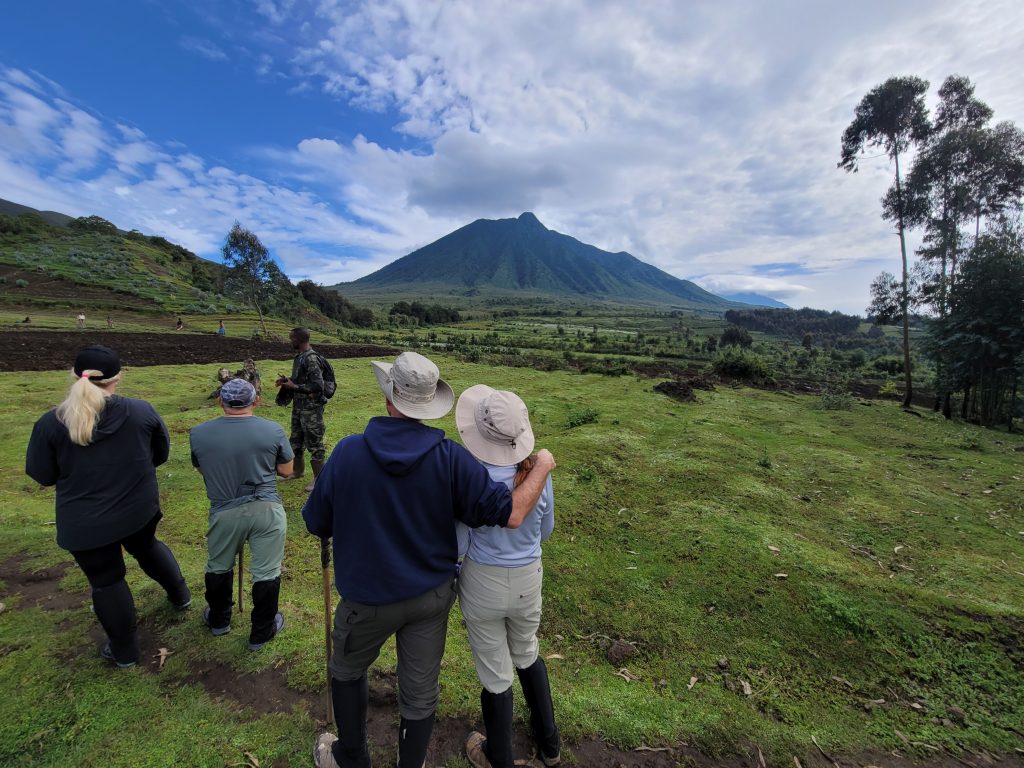
English works extremely well in Rwanda compared to many African destinations. Hotel staff, safari guides, drivers, tour operators, and park rangers communicate clearly and confidently in English. In cities and tourist areas, restaurants, cafés, and shops usually operate comfortably in English.
In Kigali, English dominates public services, signage, menus, and business interactions. Travelers who speak only English rarely face difficulties navigating the city or arranging transport and activities.
That said, rural areas rely more heavily on Kinyarwanda. While guides and community hosts often translate, patience and simple language help interactions flow naturally.
The Importance of Kinyarwanda for Cultural Connection
Kinyarwanda is more than a language; it represents identity, unity, and respect. Travelers who learn even a few words immediately receive warmer responses. A greeting or thank you in Kinyarwanda signals humility and genuine interest rather than tourist detachment.
Using Kinyarwanda does not require perfect pronunciation. Effort matters more than accuracy. Locals often smile, slow down conversations, and offer help when they see travelers trying.
Simple words open doors that fluent English sometimes cannot.
Useful Kinyarwanda Phrases for Travelers
Learning a handful of phrases greatly improves daily interactions. Greetings matter deeply in Rwandan culture, and beginning any exchange politely sets the right tone.
Common expressions include greetings in the morning, asking how someone is, and saying thank you. These phrases work everywhere, from markets and villages to hotels and transport stops.
Even when conversations continue in English, starting in Kinyarwanda creates instant goodwill.
Communication Style in Rwanda
Rwandan communication style values calmness, politeness, and patience. People speak in measured tones and avoid confrontation. Interrupting or speaking loudly can feel uncomfortable in social settings.
Travelers benefit from slowing down speech, using clear sentences, and allowing pauses in conversation. Silence does not indicate confusion or discomfort; it often reflects thoughtfulness and respect.
Listening carries as much weight as speaking.
Language in Rural Areas and Community Visits
In rural communities, Kinyarwanda dominates daily life. Many residents may not speak English, but communication still works through gestures, smiles, and local guides. Body language, tone, and patience matter more than vocabulary.
When visiting villages, markets, or community projects, allowing guides to translate ensures respectful interaction. Avoid raising your voice or repeating words forcefully. Calm repetition and friendly gestures work far better.
Language and Safari Experiences
On safari, language rarely becomes a concern. Guides, rangers, and lodge staff communicate fluently in English. In national parks such as Volcanoes National Park and Akagera National Park, briefings and instructions are clear, structured, and easy to follow.
When interacting with park staff or local communities around parks, basic Kinyarwanda greetings still add warmth and respect.
Reading Signs, Menus, and Directions
Most official signage appears in English and Kinyarwanda. Menus in hotels and restaurants usually appear in English, with local dish names sometimes listed in Kinyarwanda.
Directions and road signs remain clear, and drivers are accustomed to assisting visitors. Asking for help politely almost always results in friendly guidance.
Language and Cultural Sensitivity
Certain topics require sensitivity regardless of language. Discussions around politics, ethnicity, and history should be approached carefully and respectfully. Listening rather than questioning works best, especially when language nuances matter.
When visiting memorial sites or discussing national history, tone matters more than words.
Using Translation Tools and Technology
Translation apps work well in Rwanda, especially for Kinyarwanda basics. However, technology should support interaction, not replace it. Eye contact, smiles, and respectful greetings often communicate more effectively than screens.
Offline language apps help in rural areas where connectivity may vary.
Confidence Without Fluency
Travelers do not need fluency to enjoy Rwanda fully. Courtesy, effort, and patience outweigh vocabulary size. Rwanda’s people appreciate respectful communication more than perfect language skills.
Making mistakes while trying earns smiles rather than judgment.
Language as a Bridge, Not a Barrier
Language tips for travelers in Rwanda center on one principle: connection matters more than correctness. English ensures ease, Kinyarwanda creates warmth, and respectful tone builds trust.
By slowing down, greeting politely, and listening carefully, travelers discover that communication in Rwanda feels natural, human, and deeply welcoming.
When language becomes a bridge rather than a barrier, Rwanda opens itself generously.