Lake Nakuru Safari Guide: Flamingos, Rhinos & Birdlife
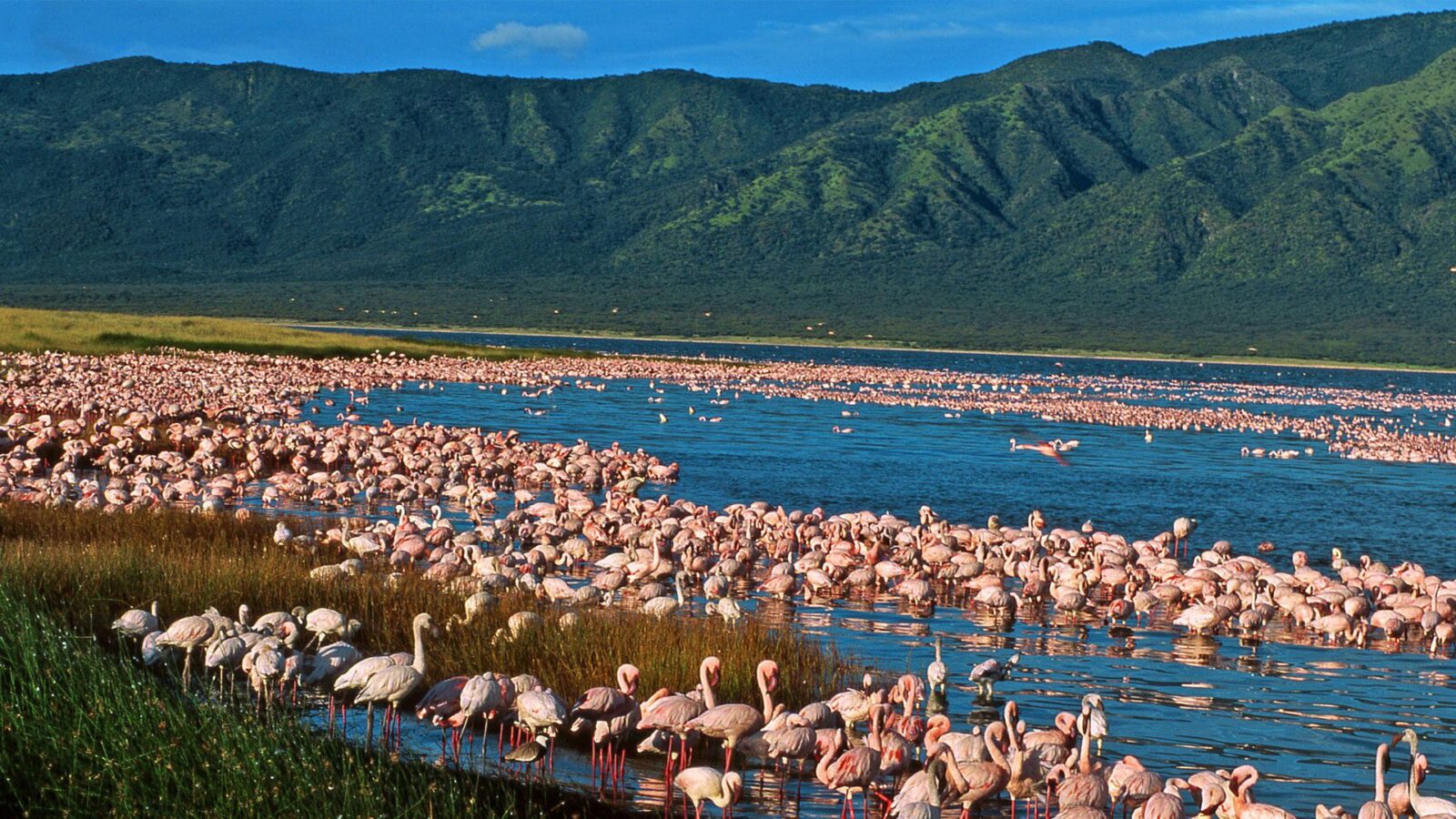
Lake Nakuru offers one of Kenya’s most compact yet rewarding safari experiences. Set within the Great Rift Valley, the park combines dramatic scenery, rich birdlife, and reliable sightings of endangered rhinos. Its manageable size, good road network, and diverse habitats make it ideal for short safaris, first-time visitors, and travelers interested in conservation-focused wildlife viewing.
Located in central Kenya, Lake Nakuru National Park delivers a safari that feels intimate, scenic, and consistently productive.
Why Lake Nakuru Is a Unique Safari Destination
Lake Nakuru stands out for its diversity within a relatively small area. Woodland, open grassland, rocky escarpments, and wetlands exist side by side. This variety supports a wide range of species and allows visitors to experience different safari environments in a single day.
Unlike larger parks that require long drives, Lake Nakuru’s compact layout keeps travel time short and game viewing efficient. This structure suits travelers with limited time or those adding a safari stop between Nairobi and western Kenya.
Flamingos and the Changing Face of the Lake
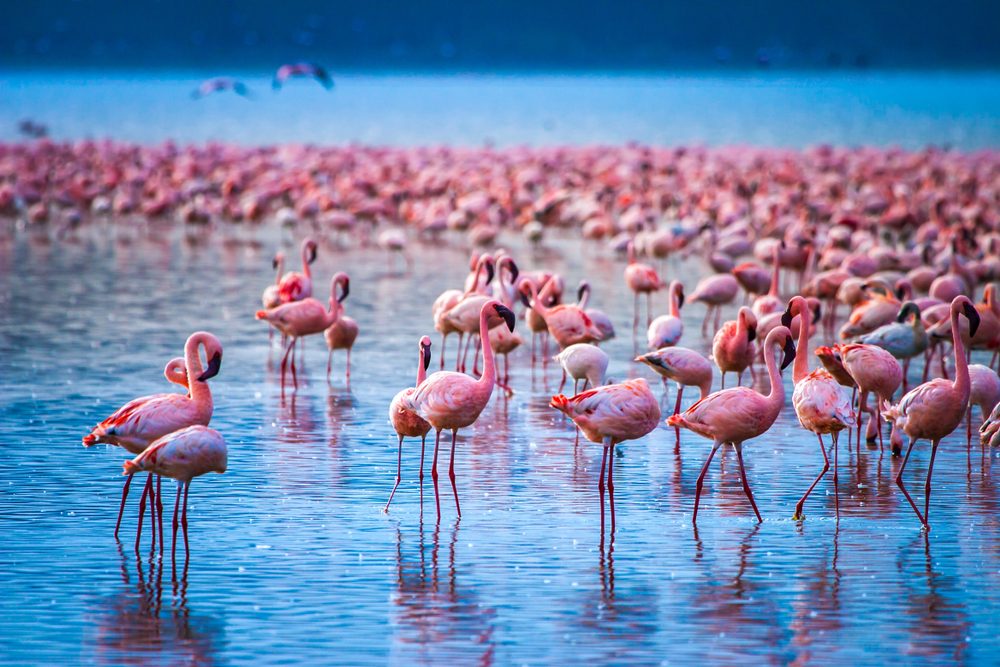
Lake Nakuru gained global fame for its vast flocks of flamingos that once turned the shoreline pink. Flamingo numbers now fluctuate due to changing water levels and algae conditions, but sightings still occur seasonally.
Even when flamingo concentrations are low, the lake remains a major birding destination. Pelicans, cormorants, storks, herons, and kingfishers thrive here, keeping the park active and visually engaging throughout the year.
Rhino Conservation at Lake Nakuru
Lake Nakuru is one of Kenya’s most important rhino sanctuaries. Both black and white rhinos live within the park’s fenced boundaries, which protect them from poaching and human conflict.
Rhino sightings are frequent and often close, especially in open grassland areas. This reliability makes Lake Nakuru one of the best places in East Africa to see rhinos in a natural setting, even on short safaris.
Other Wildlife You Can Expect to See
Beyond rhinos and birds, Lake Nakuru supports lions, leopards, buffalo, giraffes, and several antelope species. Rothschild’s giraffes are a highlight and commonly appear along woodland edges and open plains.
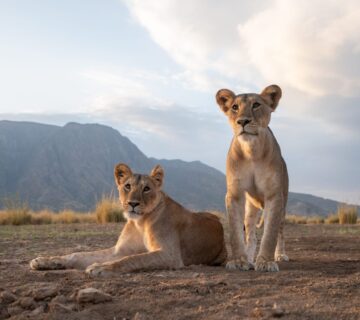
Predator sightings occur regularly, though the park’s appeal lies more in diversity and scenery than large predator numbers. The mix of species creates a balanced and relaxed safari experience.
Best Time to Visit Lake Nakuru National Park
Lake Nakuru works well as a year-round safari destination. Dry months from June to October offer easier wildlife spotting and better road conditions. During this period, animals gather near water sources, and birdlife remains active.
The green season from November to May brings lush vegetation and dramatic skies. Birding peaks during these months as migratory species arrive. While rain can affect some tracks, the park remains accessible and scenic.
Safari Experience and Game Drives
Game drives in Lake Nakuru feel calm and unhurried. Short distances between habitats allow visitors to cover woodland, lakeshore, and open plains in a single outing. Viewpoints along the escarpment provide panoramic views over the lake and surrounding landscape.
Because the park is fenced, wildlife stays within defined areas, which increases sighting consistency and makes the experience beginner-friendly.
Accommodation Options Near Lake Nakuru
Lake Nakuru offers accommodation options inside and just outside the park.
Luxury travelers often choose The Cliff or Mbweha Camp, which focus on privacy, views, and refined service. These lodges suit couples and travelers seeking a quiet, scenic retreat.
Mid-range options such as Lake Nakuru Lodge and Sarova Lion Hill Game Lodge provide comfortable rooms, strong locations, and reliable safari access. These lodges work well for families and first-time safari visitors.
Budget lodges and camps around Nakuru town offer affordable access to the park while maintaining guided safari experiences.
Getting to Lake Nakuru National Park
Lake Nakuru is easily reached by road from Nairobi, making it one of Kenya’s most accessible safari parks. The drive passes through the Great Rift Valley, offering scenic viewpoints and cultural landscapes.
Its location makes Lake Nakuru a popular stopover when traveling between Nairobi and destinations such as the Maasai Mara.
Responsible Tourism and Conservation
Lake Nakuru plays a key role in Kenya’s conservation efforts, particularly for rhinos and birdlife. Park fees support wildlife protection, habitat management, and community engagement.
Visiting the park contributes directly to the preservation of endangered species and the long-term health of the Rift Valley ecosystem.
Final Thoughts on a Lake Nakuru Safari
A Lake Nakuru safari delivers variety, reliability, and beauty in a compact setting. Whether you come for flamingos, rhinos, or birdlife, the park offers consistent rewards and scenic charm. For travelers seeking a short, meaningful safari with strong conservation value, Lake Nakuru remains one of Kenya’s best choices.