Lake Kivu vs Zanzibar: Which Destination Fits Your Travel Style?
Lake Kivu and Zanzibar represent two very different visions of relaxation in East Africa. One offers calm freshwater, green hills, and quiet intimacy. The other delivers white-sand beaches, ocean horizons, and vibrant coastal culture. Choosing between Lake Kivu and Zanzibar depends less on which place is better and more on what kind of experience you seek.
Both destinations attract travelers looking to unwind after safaris or to enjoy a standalone escape. Yet their atmosphere, pace, activities, and emotional tone differ in important ways.
Setting and Natural Environment
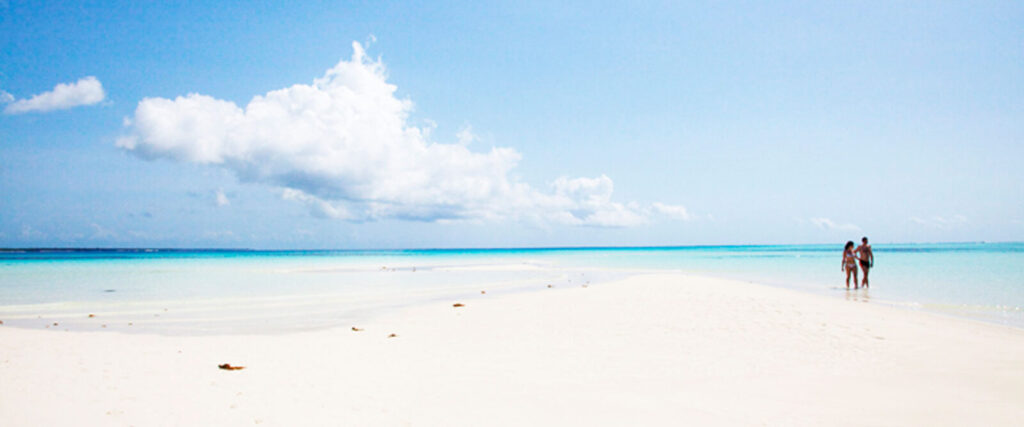
Lake Kivu lies along Rwanda’s western border, framed by rolling hills, islands, and fishing villages. The lake feels enclosed and protective, with scenery that encourages stillness. Lakeside towns such as Gisenyi, Karongi, and Rusizi create a gentle rhythm of life focused on the water.
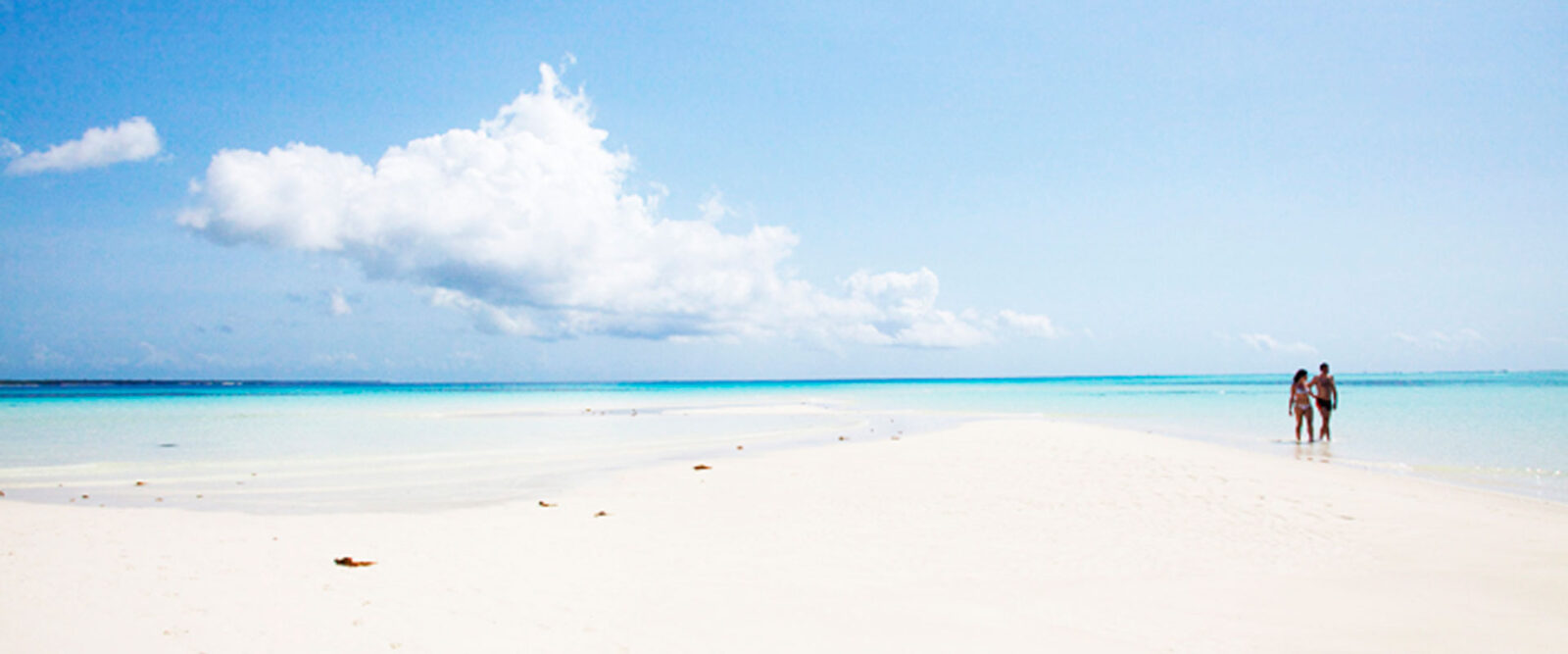
Zanzibar, an island off the coast of Tanzania, opens directly onto the Indian Ocean. Long beaches stretch toward the horizon, palm trees sway in coastal winds, and tides constantly reshape the shoreline. The island combines tropical beaches with historic towns and coral reefs, creating a sense of openness and movement.
Lake Kivu feels inward and grounding. Zanzibar feels outward and expansive.
Beach and Water Experience
Lake Kivu offers freshwater swimming in calm, safe conditions. The absence of crocodiles and hippos allows stress-free swimming, floating, and kayaking. Beaches remain quiet, clean, and intimate, often shared with only a handful of people.
Zanzibar’s beaches deliver classic ocean beauty with soft white sand and turquoise water. Swimming depends on tides, and water conditions change throughout the day. Snorkeling, diving, and sailing form a major part of the experience, supported by coral reefs and marine life.
Lake Kivu suits travelers who want ease and safety in the water. Zanzibar appeals to those drawn to ocean energy and marine exploration.
Atmosphere and Pace
Life around Lake Kivu moves slowly. Days unfold without urgency. Evenings end early, shaped by sunset rather than nightlife. The lake encourages conversation, reflection, and deep rest.
Zanzibar feels livelier and more diverse in energy. Beach resorts remain relaxed, but towns like Stone Town introduce cultural buzz, music, markets, and nightlife. Travelers encounter a mix of leisure and stimulation.
Lake Kivu favors silence and simplicity. Zanzibar balances relaxation with activity and social life.
Cultural Experience
Lake Kivu culture centers on fishing communities, farming traditions, and everyday rural life. Cultural encounters feel subtle and authentic, often unfolding naturally through observation rather than performance. Visitors witness fishermen launching boats at night and returning at dawn, women drying fish, and children playing along the shore.
Zanzibar offers layered cultural history shaped by African, Arab, Indian, and European influences. Architecture, cuisine, language, and music reflect centuries of trade and migration. Cultural exploration feels more structured, with historic sites, guided tours, and festivals.
Lake Kivu provides quiet cultural immersion. Zanzibar offers visible, diverse cultural expression.
Wellness and Relaxation
Lake Kivu excels as a wellness destination. Calm surroundings, gentle climate, and low sensory stimulation support deep rest. Yoga, spa treatments, and mindfulness practices feel natural rather than curated. Digital detox happens easily.
Zanzibar also supports wellness, especially in high-end resorts offering spas, yoga, and beachfront relaxation. However, the island’s energy and social options create more external stimulation.
Lake Kivu favors emotional reset and reconnection. Zanzibar suits indulgent relaxation with variety.
Food and Dining Style
Dining on Lake Kivu focuses on freshness and simplicity. Fish from the lake, local vegetables, and tropical fruits dominate menus. Meals feel unhurried and personal, often enjoyed outdoors with lake views.
Zanzibar cuisine bursts with spice and diversity. Seafood, Swahili dishes, Indian-influenced curries, and street food define the experience. Dining becomes an exploration of flavor and culture.
Lake Kivu dining supports calm and nourishment. Zanzibar dining excites the senses.
Accessibility and Travel Flow
Lake Kivu fits naturally into Rwanda itineraries. Many travelers arrive after gorilla trekking in Volcanoes National Park or chimpanzee tracking in Nyungwe Forest. Road transfers remain scenic and manageable.
Zanzibar usually requires a flight, either international or domestic from mainland Tanzania or regional hubs. It often serves as a final beach destination after safaris in Tanzania or Kenya.
Lake Kivu integrates smoothly with Rwanda travel. Zanzibar works best as a distinct island chapter.
Which One Is Right for You?
Lake Kivu suits travelers seeking quiet, safety, intimacy, and reflection. It works beautifully for couples, families, wellness travelers, and those recovering from active adventures.
Zanzibar fits travelers craving beach drama, ocean activities, cultural diversity, and social energy. It appeals to honeymooners who enjoy vibrancy, food lovers, and travelers who want variety within a beach setting.
Neither destination replaces the other. They answer different emotional needs.
Final Perspective
Lake Kivu and Zanzibar both deliver unforgettable experiences, but in opposite ways. Lake Kivu whispers. Zanzibar sings. One invites you to slow down and turn inward. The other encourages exploration and outward expression.
Choosing between them means choosing how you want to feel, not just where you want to go.