Lake Kivu Travel Tips: Practical Advice for a Smooth and Enjoyable Visit
Lake Kivu rewards travelers who arrive prepared and unhurried. The lake stretches along Rwanda’s western border, offering calm freshwater, welcoming communities, and scenic roads that invite slow exploration. While Lake Kivu feels easy and relaxed, a few well-considered travel tips help visitors make the most of their time and avoid small inconveniences.
The lake connects Rwanda’s main lakeside hubs of Gisenyi in the north, Karongi in the central region, and Rusizi in the south. Each area offers a different atmosphere, but the same general travel principles apply across the lake.
Planning Your Route and Getting Around
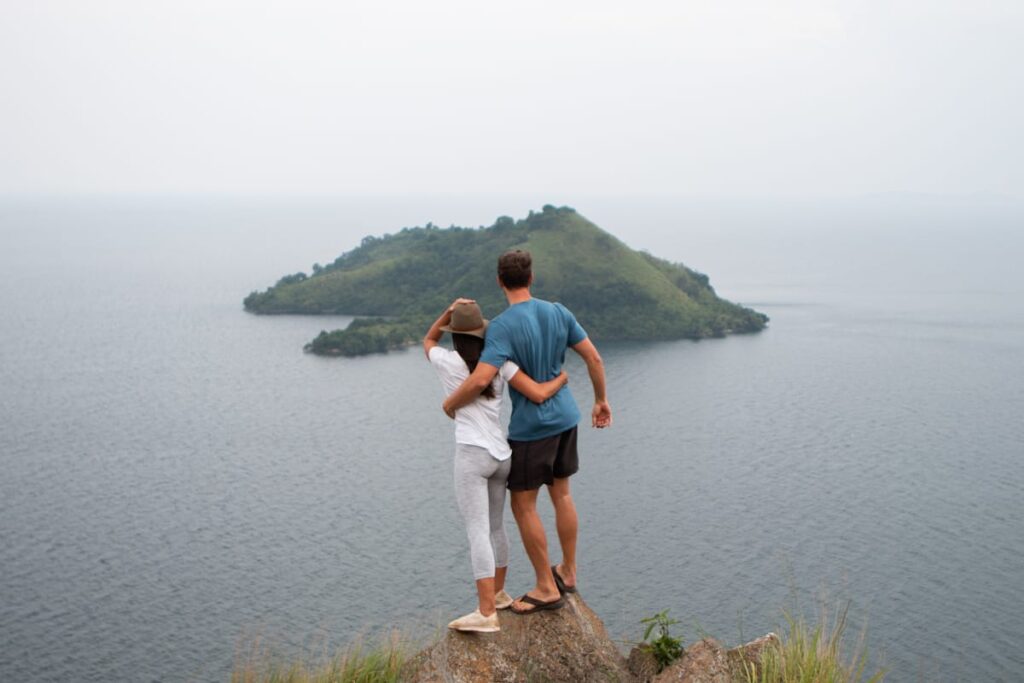
Travel around Lake Kivu takes longer than distances suggest. Roads wind through hills and follow the shoreline, turning short stretches into scenic journeys. Travelers benefit from allowing generous travel time and avoiding tight schedules. The views compensate for the slower pace.
Public transport links lakeside towns reliably, but private transfers or guided travel offer greater flexibility, especially for families or couples. Boat transport also connects some towns and islands, providing an enjoyable alternative to road travel when conditions allow.
Choosing Where to Stay
Accommodation choice shapes the Lake Kivu experience. Gisenyi suits travelers who value convenience, swimming beaches, and easy access to restaurants. Karongi appeals to those seeking quiet scenery, island views, and deeper retreat. Rusizi fits travelers who prefer nature, authenticity, and fewer crowds.
Lakeside lodges often sit slightly outside town centers. This placement enhances privacy but requires planning for meals and transport. Travelers should confirm whether meals are included and how easy it is to reach nearby attractions.
Best Timing for Daily Activities
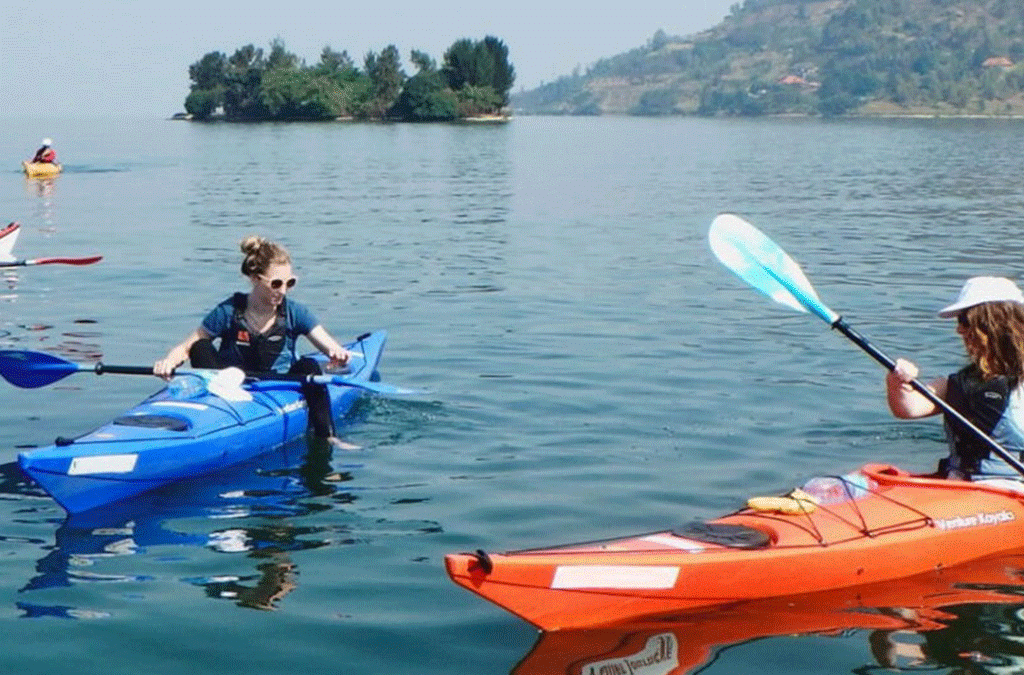
Mornings offer the best conditions on Lake Kivu. Water remains calm, temperatures stay cool, and light suits photography and water activities. Kayaking, swimming, and boat rides feel most comfortable before midday.
Afternoons bring warmer air and occasional breezes. This time suits relaxation, reading, and spa treatments rather than active water pursuits. Evenings cool quickly, making light layers useful for sunset walks and lakeside dining.
What to Pack for Lake Kivu
Packing for Lake Kivu focuses on comfort rather than gear-heavy preparation. Lightweight clothing works best, paired with a warm layer for evenings. Comfortable sandals and walking shoes cover most situations, as shorelines vary between sand, grass, and rock.
Sun protection matters even on cooler days due to altitude and reflection off the water. A reusable water bottle helps reduce plastic use and keeps hydration consistent during warm afternoons.
Swimming and Water Safety Tips
Lake Kivu ranks among the safest bodies of water in East Africa for leisure. The absence of crocodiles and hippos allows relaxed swimming and paddling. Still, travelers should swim near designated areas or close to shore, especially when unfamiliar with water depth.
Morning and late afternoon offer the most pleasant swimming conditions. Strong midday sun can cause fatigue, particularly for children. Resorts and lodges often advise guests on the safest entry points and local conditions.
Food, Dining, and Local Etiquette
Dining on Lake Kivu feels informal and unhurried. Travelers benefit from embracing local rhythms rather than expecting fast service. Meals often rely on fresh ingredients sourced that day, which may extend preparation time but improves quality.
Respectful dress and behavior matter in public areas, especially in villages and markets. Modest attire away from beach settings helps maintain positive interactions and reflects cultural awareness.
Money, Connectivity, and Essentials
Cash remains useful in lakeside towns, particularly for small purchases and community-based activities. ATMs exist in larger towns, but travelers should carry sufficient cash when heading to remote areas.
Mobile network coverage remains generally reliable around Lake Kivu, though connectivity may slow in isolated bays. Many travelers welcome this as an opportunity to disconnect, but those needing constant access should plan accordingly.
Health and Comfort Considerations
Lake Kivu’s climate supports comfortable travel, but hydration and sun awareness remain important. Altitude and reflection increase sun exposure, even when temperatures feel mild.
Basic medical services exist in larger towns, with more comprehensive care available in Kigali. Travel insurance covering medical evacuation adds peace of mind, especially for families or extended stays.
Combining Lake Kivu with Other Rwanda Experiences
Lake Kivu works best when travelers allow it to slow the journey. Many visitors arrive after gorilla trekking in Volcanoes National Park or chimpanzee tracking in Nyungwe Forest, using the lake as a recovery destination.
Allowing at least two or three nights enhances the experience. Short stops feel rushed and fail to capture the lake’s calming rhythm.
Traveling the Lake with the Right Mindset
The most important Lake Kivu travel tip involves mindset rather than logistics. The lake rewards patience, curiosity, and openness. Plans may shift slightly. Days may unfold differently than expected. These moments often become highlights rather than problems.
Lake Kivu does not ask travelers to do more. It invites them to do less, and to enjoy it fully.