Lake Kivu Beaches Explained: Rwanda’s Freshwater Coastline
Lake Kivu beaches offer a rare inland beach experience in East Africa, shaped by calm freshwater, volcanic geology, and green rolling hills. Unlike ocean beaches defined by tides and waves, Lake Kivu’s shores feel gentle and intimate. The water stays calm, the air remains fresh, and the setting invites relaxation rather than spectacle. These beaches play an important role in Rwanda’s leisure culture, wellness travel, and slow tourism.
Stretching along Rwanda’s western border, Lake Kivu passes through the lakeside towns of Gisenyi, Karongi, and Rusizi. Each area presents a different type of beach, influenced by terrain, development, and local lifestyle.

What Makes Lake Kivu Beaches Unique
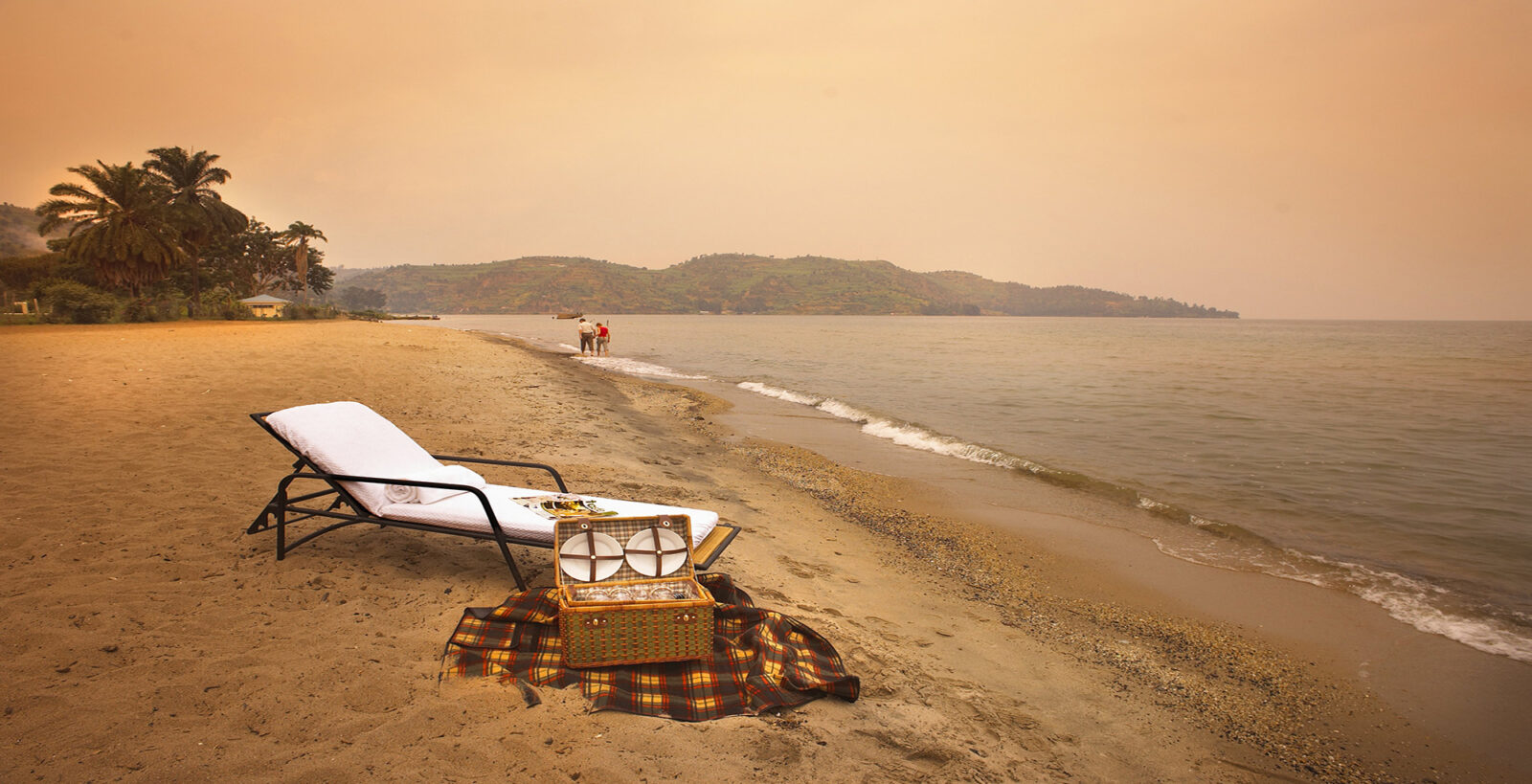
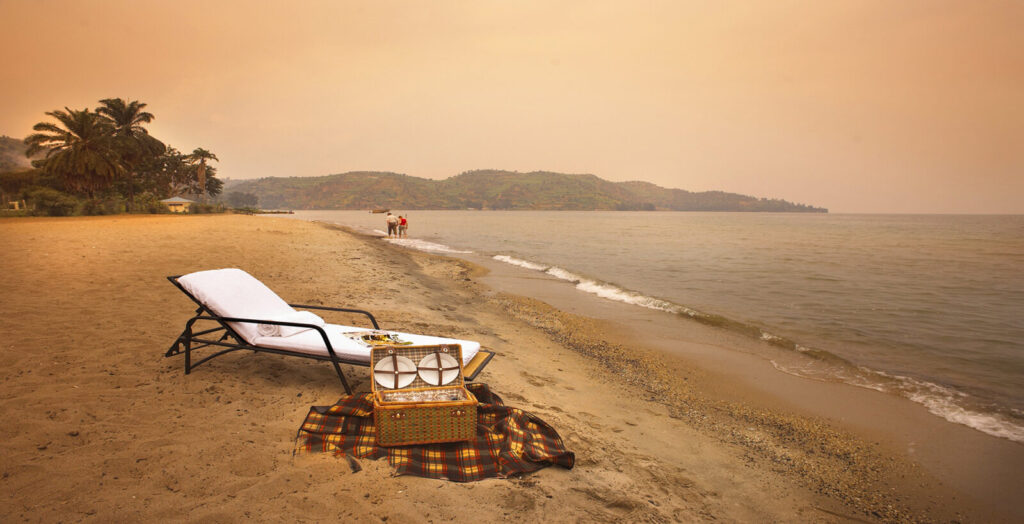
Lake Kivu beaches differ greatly from coastal beaches. The shoreline alternates between soft sand, smooth pebbles, and volcanic rock formations. Palm trees mix naturally with eucalyptus and banana plants, creating a tropical feel without salt air or crashing surf.
One of the lake’s most defining features is safety. Lake Kivu has no crocodiles or hippos, which allows swimming and shoreline relaxation without fear. This single factor transforms the beaches into true leisure spaces where families, couples, and solo travelers can enjoy the water freely.
The beaches also remain clean and quiet. Rwanda’s strong environmental policies and community stewardship keep litter minimal and shorelines well maintained, especially around established resort areas.
Beaches Around Gisenyi: Social and Lively Shores
Gisenyi hosts the most accessible and social beaches on Lake Kivu. The town’s public beach serves as a hub for both locals and visitors. Soft sand, shaded areas, and open swimming zones create an easygoing atmosphere, especially on weekends.
Resort beaches around Gisenyi offer more privacy. These beaches often feature manicured lawns, shaded loungers, and direct access to swimming areas. The volcanic rocks along parts of the shoreline add visual drama, especially during sunset when the sky reflects across the water.
Gisenyi’s beaches suit travelers who enjoy a relaxed yet active environment, where swimming, casual walks, and lakeside dining blend naturally.
Karongi Beaches: Quiet, Scenic, and Intimate
Karongi’s beaches feel more secluded and contemplative. The shoreline here weaves between peninsulas and islands, creating sheltered bays with still water. Beaches in this area often feel private, even when shared with other guests.
Instead of wide sandy expanses, Karongi beaches emphasize natural beauty. Wooden decks, small sandy patches, and rock-framed swimming areas dominate the landscape. These beaches work perfectly for reading, meditation, photography, and slow afternoons under the sun.
Karongi appeals strongly to couples, wellness travelers, and anyone seeking peace without isolation.
Rusizi Beaches: Nature-Focused and Undeveloped
Rusizi, near Rwanda’s southern border, offers the most natural beach experience on Lake Kivu. The shoreline here remains less developed, framed by forested hills and wide water views. Beaches tend to feel raw and open, shaped more by nature than design.
Swimming remains pleasant and safe, while long shoreline walks reveal fishing boats, birdlife, and untouched stretches of land. Rusizi beaches suit travelers who value simplicity and connection with nature over resort-style amenities.
This region also works well for visitors combining Lake Kivu with forest experiences in nearby Nyungwe.
Swimming and Beach Safety on Lake Kivu
Swimming on Lake Kivu beaches feels effortless and calming. The water temperature remains comfortable year-round, and gentle slopes make entry easy from most beaches. Clear conditions allow swimmers to feel relaxed and aware of their surroundings.
Most resort beaches designate swimming areas and maintain clean entry points. Public beaches rely on natural access but remain safe due to the lake’s calm character. Morning and late afternoon offer the most pleasant swimming conditions, with softer light and cooler air.
Best Time to Enjoy Lake Kivu Beaches
Lake Kivu beaches remain enjoyable throughout the year, but dry seasons from June to September and December to February deliver the best beach conditions. Sunshine stays consistent, and water surfaces remain calm for long periods.
Rainy months bring lush scenery and dramatic skies. While occasional showers occur, they rarely disrupt full days. Many travelers enjoy beach time even during these seasons, especially during mornings when the lake remains serene.
Beach Experiences Beyond Swimming
Lake Kivu beaches offer more than just swimming. Kayaking launches often begin directly from the shore. Sunset walks feel unhurried and deeply peaceful. Beachside dining allows travelers to enjoy fresh fish and local flavors with uninterrupted lake views.
Cultural interaction also forms part of the beach experience. Fishermen prepare nets at dawn, children play along the water’s edge, and evening songs drift across the lake, grounding beach time in everyday local life.
How Lake Kivu Beaches Fit Into a Rwanda Journey
Lake Kivu beaches provide balance within Rwanda itineraries. After physically demanding experiences like gorilla trekking or chimpanzee tracking, the lake offers recovery without boredom. The beaches allow the body to rest while the mind continues to explore.
Whether as a final stop or a central highlight, Lake Kivu beaches redefine what a beach experience can feel like inland, calm, safe, and deeply restorative.