Kidepo Valley National Park: Remote Safari Experiences
Kidepo Valley National Park represents the wildest and most remote safari destination in Uganda. Tucked away in the far northeastern corner of the country near the borders of South Sudan and Kenya, the park offers a raw, untamed wilderness that feels far removed from modern life. Vast open plains, rugged mountain ranges, and dramatic skies define Kidepo, creating an atmosphere of isolation and authenticity that appeals to travelers seeking true off-the-beaten-path safari experiences.
A Landscape of Untouched Wilderness
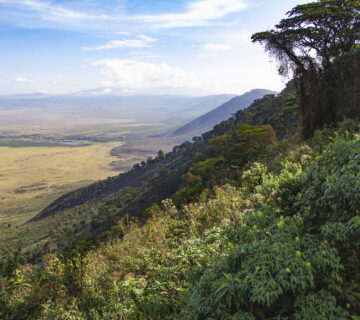
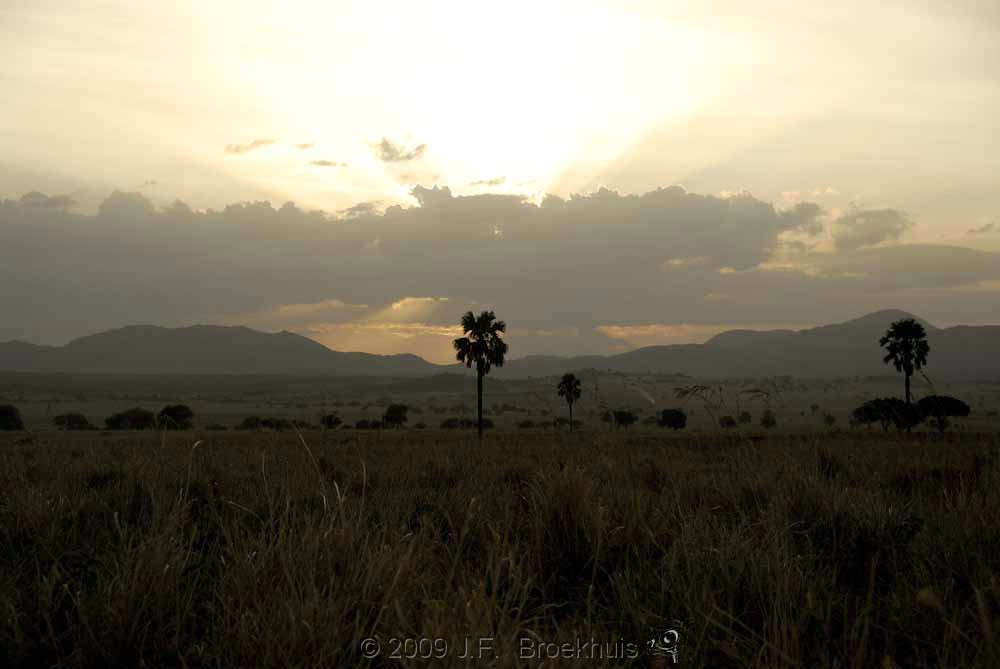
Kidepo Valley National Park is shaped by wide savannas, seasonal rivers, and rugged hills, creating one of the most striking landscapes in East Africa. The Narus Valley forms the park’s ecological core, sustaining wildlife year-round thanks to permanent water sources. In contrast, the Kidepo Valley itself is drier and more expansive, offering sweeping views that stretch to distant mountain ranges.
This diversity of terrain supports a unique mix of wildlife species, many of which are rarely seen elsewhere in Uganda. The sense of space and silence enhances the feeling of true wilderness, making every safari moment deeply immersive.
Big Game Encounters in a Remote Setting
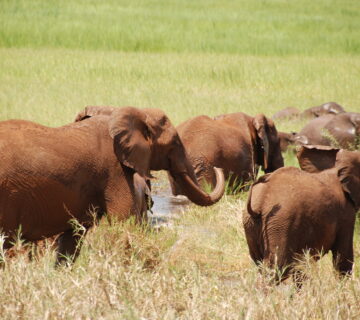
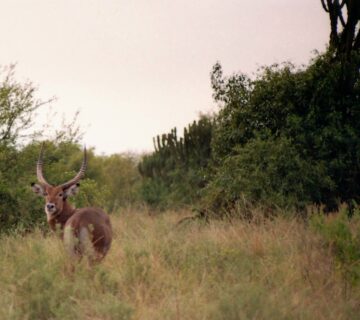
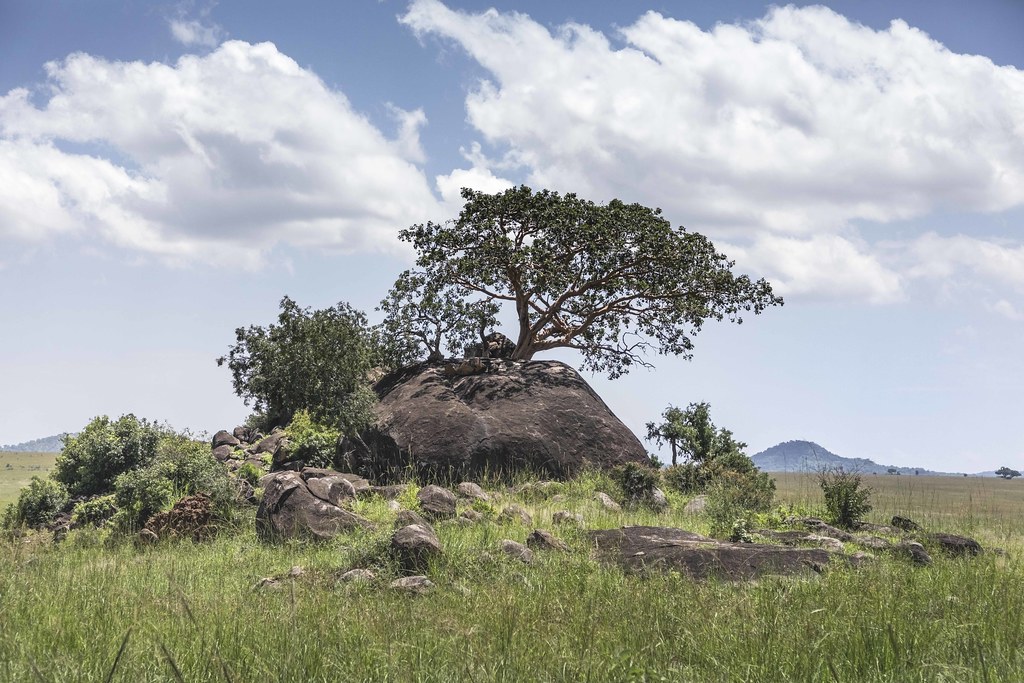
Wildlife viewing in Kidepo Valley is both rewarding and exclusive. The park is home to large populations of buffalo, elephants, giraffes, and antelope species such as eland, hartebeest, and oribi. Lions are frequently seen in the open plains, often resting on rocky outcrops or moving through the grasslands in small prides.
Leopards are present but elusive, relying on rocky terrain and dense vegetation for cover. Cheetahs, which are rare in most parts of Uganda, are occasionally spotted here, adding to the park’s reputation as a unique big cat destination. Because visitor numbers are low, wildlife encounters often occur without other vehicles nearby, allowing for natural behavior and uninterrupted observation.
Walking Safaris and Close-to-Nature Exploration
Kidepo Valley National Park is one of the best places in Uganda for walking safaris. Guided walks allow visitors to explore the landscape on foot, learning to read animal tracks, observe smaller species, and understand the delicate balance of the ecosystem. Walking through the savanna creates a powerful connection to the environment and reveals details that are easily missed from a vehicle.
These experiences are led by armed rangers and experienced guides, ensuring safety while offering deep insight into wildlife behavior, plant life, and conservation challenges in this remote region.
Birdlife in Kidepo Valley
Kidepo is a standout destination for birdwatchers, with over 470 recorded bird species, including several that are rarely seen elsewhere in Uganda. The semi-arid environment attracts unique species adapted to dry conditions, while riverine areas support water-dependent birds.
Raptors are particularly abundant, soaring over the plains and rocky hills. The combination of open landscapes and dramatic light makes bird photography especially rewarding, with opportunities to capture birds in flight against vast skies.
Cultural Encounters with the Karamojong
Safari experiences in Kidepo extend beyond wildlife to include rich cultural interactions. The Karamojong people, who inhabit the surrounding region, maintain traditional pastoral lifestyles deeply connected to the land. Cultural visits provide insight into their customs, social structures, and resilience in a harsh environment.
These interactions add depth to the safari experience, highlighting the relationship between people, wildlife, and landscape in one of Uganda’s most remote regions.
Best Time to Visit Kidepo Valley National Park
Kidepo can be visited throughout the year, but conditions vary with the seasons. Drier months offer easier access, open landscapes, and concentrated wildlife around permanent water sources in the Narus Valley. Greener periods transform the plains into lush grasslands, enhancing scenery and birdlife while maintaining excellent game viewing due to the park’s permanent water systems.
Regardless of season, early mornings and late afternoons provide the most productive wildlife activity and dramatic lighting for photography.
Photography in a Remote Safari Environment
Kidepo Valley is a paradise for photographers seeking authenticity and scale. The absence of crowds allows photographers to work patiently, capturing natural behavior without distraction. Wide-angle lenses are ideal for showcasing the vast landscapes, while telephoto lenses help isolate wildlife against dramatic backdrops of mountains and sky.
Sunrise and sunset bring golden light that enhances textures, colors, and silhouettes, creating some of the most striking safari imagery in Uganda.
Conservation and the Value of Remote Tourism
Tourism in Kidepo Valley plays a crucial role in conservation and regional development. Visitor revenue supports wildlife protection, ranger patrols, and community initiatives that improve livelihoods in surrounding areas. Responsible tourism helps demonstrate the value of preserving wildlife and natural habitats in a region where economic opportunities are limited.
Low-impact tourism ensures that Kidepo remains wild and unspoiled, protecting its ecosystems for future generations.
Kidepo Valley National Park offers one of the most authentic and remote safari experiences in Africa. Its vast landscapes, rare wildlife, walking safaris, and cultural richness combine to create a destination that feels untouched and deeply powerful. For travelers seeking solitude, raw wilderness, and meaningful wildlife encounters, Kidepo Valley stands as Uganda’s ultimate frontier safari destination.