
Kidepo Valley National Park: Uganda’s Hidden Wilderness
Uganda’s Remote Safari Gem
Kidepo Valley National Park (KVNP), located in the northeastern corner of Uganda, is widely regarded as one of the country’s most remote and untouched wilderness areas. Spanning approximately 1,442 square kilometers, Kidepo is renowned for its spectacular landscapes, vast savannahs, rugged mountains, and seasonal rivers, offering a truly authentic African safari experience far from the crowds of more visited parks. Its isolation has preserved the park’s wild, pristine environment, making it ideal for adventure travelers, wildlife photographers, and those seeking unspoiled nature.
Unique Landscape and Scenery
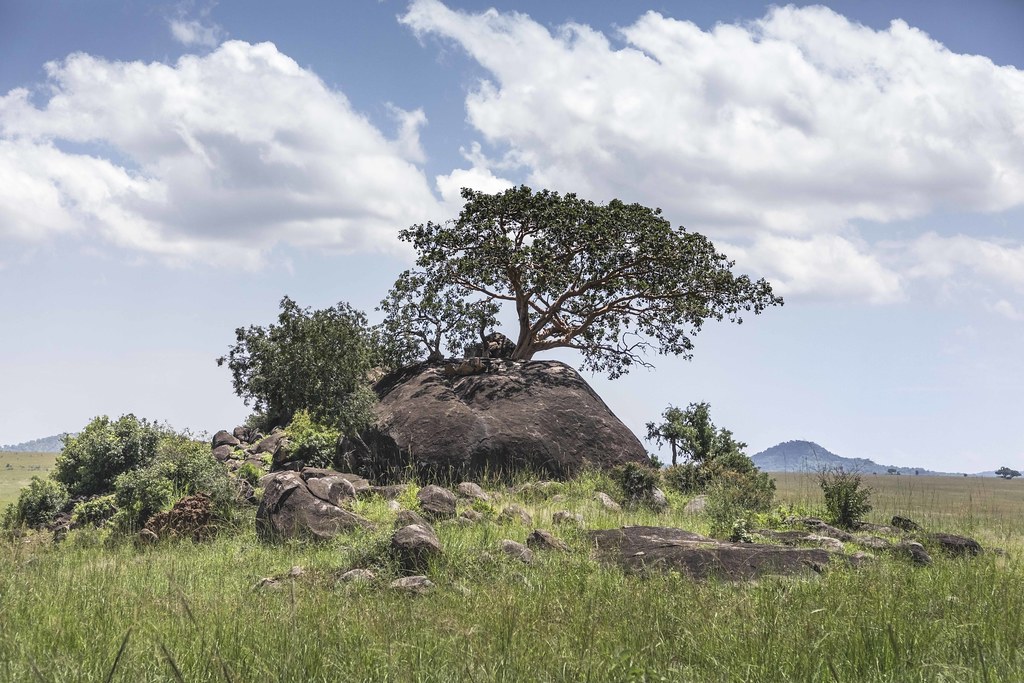
Kidepo Valley is characterized by wide-open savannah plains dotted with acacia trees, rocky outcrops, and the dramatic backdrop of the Kidepo and Narus mountain ranges. Seasonal rivers, such as the Kidepo and Narus rivers, provide essential water sources for wildlife, attracting large herds of animals during dry periods. The park’s landscape shifts dramatically with the seasons, offering golden grasses and vibrant wildlife during the dry months, and lush greenery during the wet season. The combination of rolling plains, hills, and river valleys creates panoramic vistas that are perfect for photography and immersive nature experiences.
Wildlife Highlights
Kidepo Valley National Park is home to a remarkable diversity of wildlife, including several species that are rarely seen elsewhere in Uganda. Safari-goers can expect to encounter:
-
Predators: Lions, cheetahs, leopards, hyenas, and wild dogs roam the park, making predator sightings a major highlight.
-
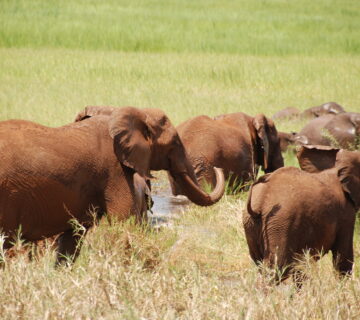
Elephants: Small herds of savannah elephants are common, often seen near riverbanks and watering holes.
-
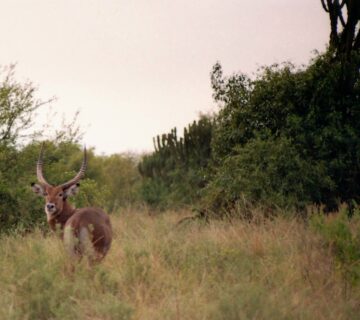
Antelopes: The park hosts a wide variety of antelope species, including Uganda kob, hartebeest, oribi, and the rare African wild ass.
-
Buffalo and Giraffe: Large herds of Cape buffalo and reticulated giraffes are regularly spotted on game drives.
-
Birdlife: Kidepo supports over 470 bird species, including ostriches, vultures, raptors, and numerous migratory species, making it a birdwatcher’s paradise.
The park’s relative remoteness ensures higher predator-to-prey ratios and fewer tourist vehicles, creating a more intimate and authentic safari experience.
Safari Activities in Kidepo
1. Game Drives: Guided 4×4 game drives are the primary way to explore Kidepo, with early morning and late afternoon drives offering the best wildlife sightings. Guides use their knowledge of animal behavior, tracks, and watering points to maximize encounters.
2. Walking Safaris: For the adventurous, walking safaris provide a closer connection to the park’s ecosystem. Led by armed rangers, these walks allow visitors to track wildlife on foot, observe smaller species, and learn about flora, animal signs, and traditional tracking techniques.
3. Community Visits: Kidepo is home to indigenous communities, including the Karamojong people. Cultural tours provide insight into traditional lifestyles, pastoral practices, and the symbiotic relationship between the communities and the park’s wildlife.
4. Birdwatching Excursions: Birding tours focus on spotting both endemic and migratory species. Early morning is ideal for bird activity, with the chance to observe raptors soaring above the valley and waterbirds along the seasonal rivers.
Best Time to Visit
-
Dry Season (December to February, June to September): Offers excellent wildlife visibility as animals congregate around water sources. The landscape is golden and easier to navigate on safari vehicles.
-
Wet Season (March to May, October to November): Brings lush vegetation and spectacular scenery, though some tracks may be more challenging. Wildlife is more dispersed, but birdwatching is exceptional during this period.
Accommodation Options
Kidepo Valley offers a range of accommodations designed to complement its wilderness setting:
-
Luxury Lodges: Provide panoramic views of the savannah, premium amenities, private decks, and guided safari packages.
-
Mid-Range Lodges and Camps: Offer comfortable accommodations close to key wildlife areas, often featuring open-air dining and communal areas for social interaction.
-
Eco-Camps and Tented Camps: Immersive experiences in the heart of the wilderness, often with minimalistic design to reduce environmental impact.
Staying within or near the park ensures early morning departures for game drives, maximizing opportunities to observe predators and herbivores in action.
Conservation and Responsible Tourism
Kidepo Valley National Park is a critical conservation area, protecting Uganda’s savannah biodiversity and threatened species. Anti-poaching measures, community engagement programs, and regulated tourism help safeguard wildlife populations. Visitors are encouraged to respect park rules, maintain safe distances from animals, and support local conservation initiatives.
Why Kidepo Valley Is a Must-Visit
Kidepo Valley National Park offers a true wilderness safari experience, combining remote landscapes, abundant wildlife, and cultural immersion. Its unique predator populations, open savannahs, and unspoiled environment make it a highlight for those seeking adventure, authentic African safari experiences, and exceptional photographic opportunities. Kidepo stands out as Uganda’s hidden gem, offering encounters with wildlife that are increasingly rare elsewhere