Kenya Safari Travel Guide: Everything You Need to Know Before You Go
Kenya remains one of Africa’s most complete and rewarding safari destinations. The country blends classic wildlife encounters, dramatic landscapes, and deep-rooted cultures into a single journey. From vast savannahs filled with predators to wetlands alive with birdlife, Kenya delivers variety without complication. Well-established tourism infrastructure, experienced guides, and diverse accommodation options make it suitable for both first-time visitors and seasoned safari travelers.
This guide explains everything you need to know before planning a safari in Kenya, covering destinations, wildlife, seasons, accommodation, transport, and essential travel advice.
Why Kenya Is a Top Safari Destination
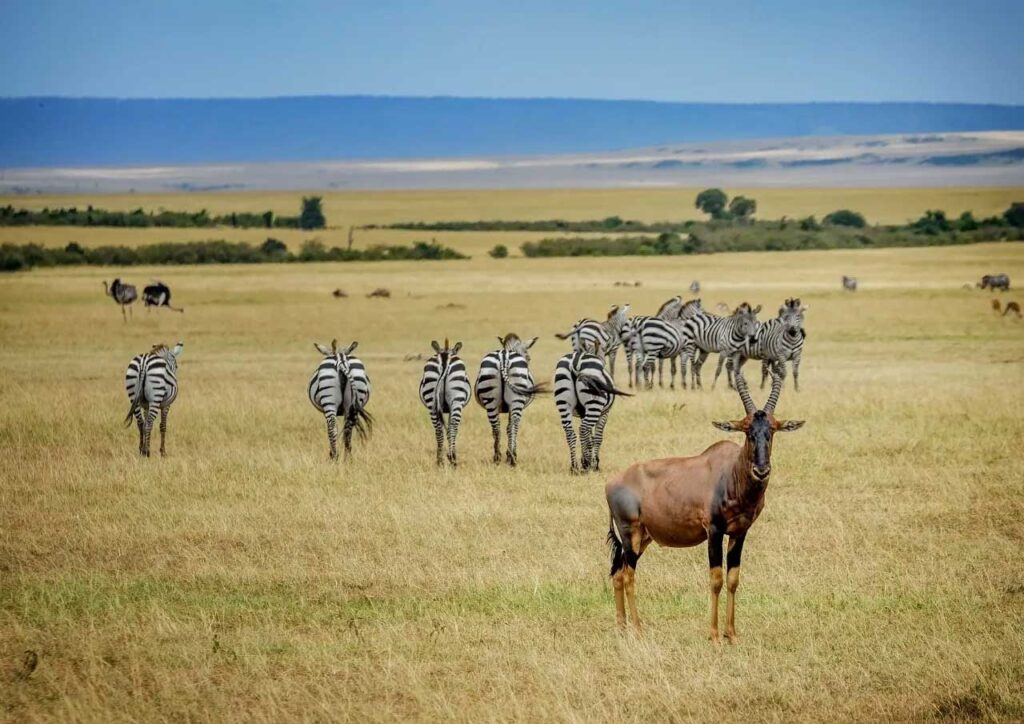
Kenya offers contrast in a way few countries can. Open plains stretch endlessly in the south, while volcanic hills, arid northern landscapes, and forested highlands shape other regions. Wildlife densities remain high, and sightings often happen within minutes of entering a park. Kenya also leads in conservation-driven tourism, with many private conservancies improving wildlife protection while easing pressure on national parks.
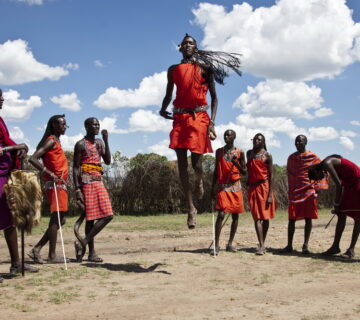
Cultural encounters add another layer to the safari experience. Interactions with pastoral communities such as the Maasai and Samburu connect visitors to traditions that have shaped these landscapes for centuries.
Kenya’s Leading Safari Parks and Reserves
Maasai Mara National Reserve
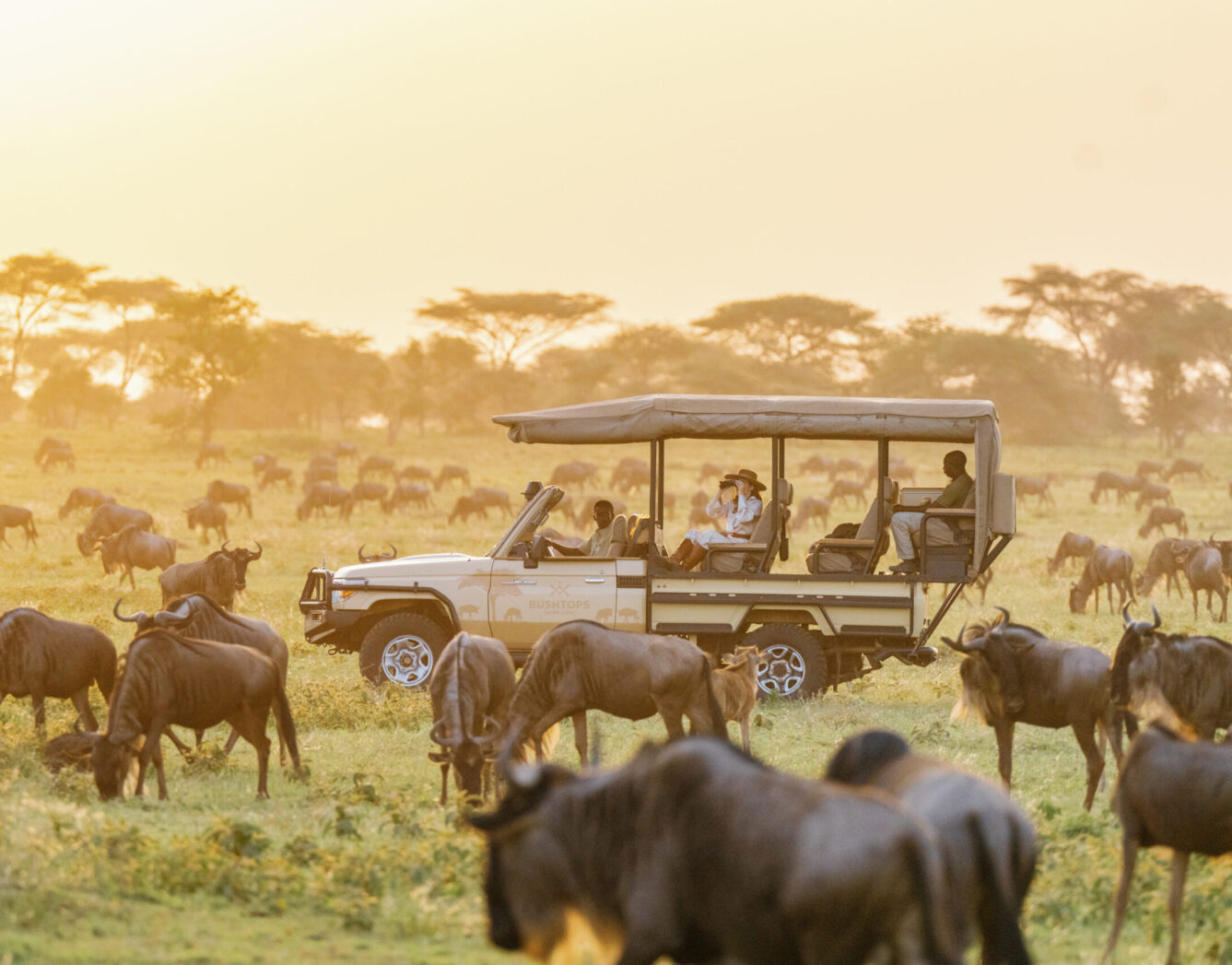
The Maasai Mara represents the heart of Kenya’s safari scene. Rolling grasslands support large populations of lions, cheetahs, elephants, buffalo, and giraffes. Between July and October, millions of wildebeest and zebra cross into the Mara from the Serengeti, creating one of the world’s most dramatic wildlife spectacles. Outside migration months, resident wildlife ensures strong game viewing throughout the year.
Amboseli National Park
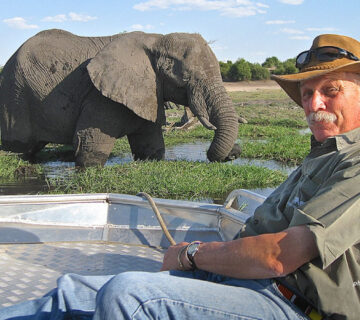
Amboseli is famous for its elephant herds and unrivaled views of Mount Kilimanjaro. The park’s open terrain allows clear sightings of wildlife, making it ideal for photography. Elephants dominate the ecosystem, but lions, hyenas, giraffes, and plains game also thrive here.
Tsavo National Park
Tsavo East and Tsavo West together form Kenya’s largest protected area. This region feels raw and untamed, with volcanic landscapes, rocky outcrops, and wide river systems. The park is known for its red-dusted elephants and lower visitor numbers, appealing to travelers who prefer space and solitude.
Lake Nakuru National Park
Located in the Great Rift Valley, Lake Nakuru offers a compact but rewarding safari. The park protects both black and white rhinos and supports a wide range of bird species. Flamingos appear seasonally, depending on water conditions, while wooded areas shelter leopards and lions.
Samburu National Reserve
Samburu introduces visitors to Kenya’s arid north. The reserve hosts unique wildlife adapted to dry conditions, including Grevy’s zebra and reticulated giraffe. Cultural interactions with the Samburu people enrich the safari experience and highlight traditional ways of life.
Wildlife Experiences in Kenya
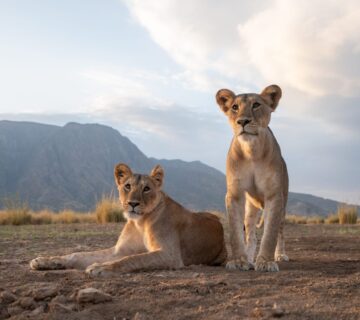
Kenya delivers consistent Big Five sightings across several parks. Large predator populations thrive due to healthy prey numbers and open ecosystems. Elephant herds move freely across protected corridors, while giraffes and antelope dominate the plains. Birdlife remains exceptional year-round, particularly in wetlands and forested areas.
Photographers benefit from open landscapes, golden light, and frequent animal activity during early mornings and late afternoons.
Best Time to Visit Kenya for Safari
The dry season, running from June to October, offers the best wildlife visibility. Animals gather around rivers and waterholes, vegetation thins, and road conditions improve. This period also coincides with the Great Migration in the Maasai Mara.
The green season spans November to May and transforms the landscape. Short rains refresh the plains, followed by longer rains later in the season. Wildlife remains present, prices are lower, and birdlife peaks, making this period attractive for photographers and budget-conscious travelers.
Safari Experiences You Can Enjoy
Game drives form the core of Kenya safaris and take place in customized 4×4 vehicles designed for wildlife viewing. Walking safaris in select conservancies offer a slower, more immersive perspective. Cultural visits provide insight into daily life, traditional homes, and local customs when conducted responsibly. Hot air balloon safaris over the Maasai Mara add a memorable aerial dimension to classic game viewing.
Accommodation Options in Kenya
Kenya caters to all travel styles and budgets.
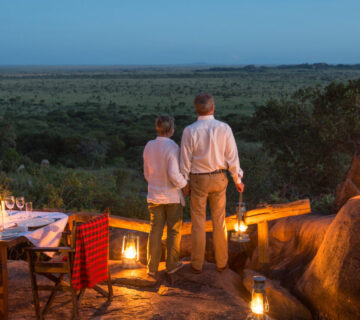
Luxury lodges focus on exclusivity, prime locations, and high-end service. Properties such as Angama Mara and Ol Donyo Lodge combine dramatic settings with privacy and expert guiding.
Mid-range lodges balance comfort and affordability. Well-known options like Sarova Mara Game Camp and Amboseli Sopa Lodge offer solid locations, good facilities, and reliable service.
Budget camps provide clean accommodation and guided game drives at accessible prices. Camps such as Mara Explorers Camp and Sentrim Tsavo allow travelers to experience Kenya’s wildlife without compromising safety or enjoyment.
Transport and Getting Around on Safari
Most safaris use custom-built Land Cruisers with pop-up roofs for optimal viewing. Fly-in safaris connect Nairobi to major parks and reduce travel time, while road safaris allow travelers to enjoy scenic routes and flexible itineraries. Professional driver-guides play a key role in wildlife spotting and interpretation.
Kenya Safari Costs Explained
Safari costs vary based on season, accommodation level, and transport choice. Budget safaris suit group travelers and shorter itineraries, while private luxury safaris command higher rates due to exclusivity and personalized service. Park fees, conservation charges, guide services, and accommodation form the main cost components.
Practical Travel Advice for Kenya
Most travelers require an electronic travel authorization before arrival. Comprehensive travel insurance is essential, especially for safari activities. Health precautions depend on your itinerary, and reputable operators provide guidance on vaccinations and malaria prevention.
Kenya is safe for visitors who travel with licensed safari companies and follow local guidance.
Responsible Safari Travel in Kenya
Tourism plays a vital role in wildlife conservation and community development. Many lodges support education, healthcare, and conservation initiatives. Choosing responsible operators ensures your safari contributes positively to local people and protected ecosystems.
Plan Your Kenya Safari
Kenya offers an ideal balance of wildlife, culture, and comfort. With proper planning and the right safari operator, your journey will deliver unforgettable moments in some of Africa’s most iconic landscapes.