How to Plan a Photography-Focused Safari Holiday in Uganda
Uganda is a paradise for wildlife photographers, offering everything from misty mountain forests with gorillas to sprawling savannahs teeming with lions, elephants, and hippos. Planning a photography-focused safari holiday is about more than just spotting animals—it’s about capturing the essence of Africa’s landscapes, wildlife behaviors, and intimate moments in their natural habitats. To make the most of your photography safari, careful planning is essential.
Define Your Photography Goals
Before booking a safari, identify what you want to photograph. Do you want to focus on mountain gorillas in Bwindi, chimpanzees in Kibale, big game in Queen Elizabeth, or exotic birds and landscapes? Understanding your objectives helps in selecting the right parks, lodges, and time of year. It also informs your choice of camera gear and lenses to ensure you can capture every shot you envision.
Choose the Best Destinations
Uganda’s diverse ecosystems provide a wide range of photographic opportunities:
-
Bwindi Impenetrable Forest and Mgahinga Gorilla National Park: Capture intimate gorilla portraits, golden monkeys, and misty forest landscapes.
-
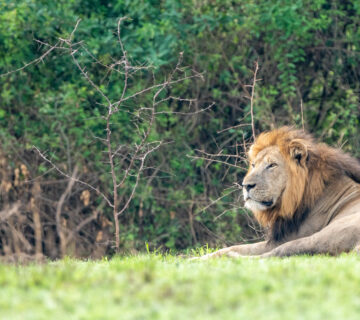
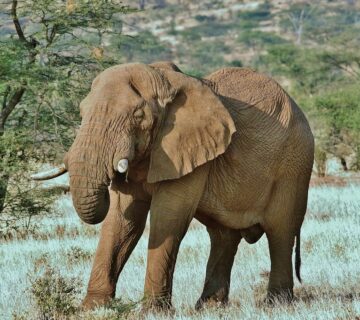
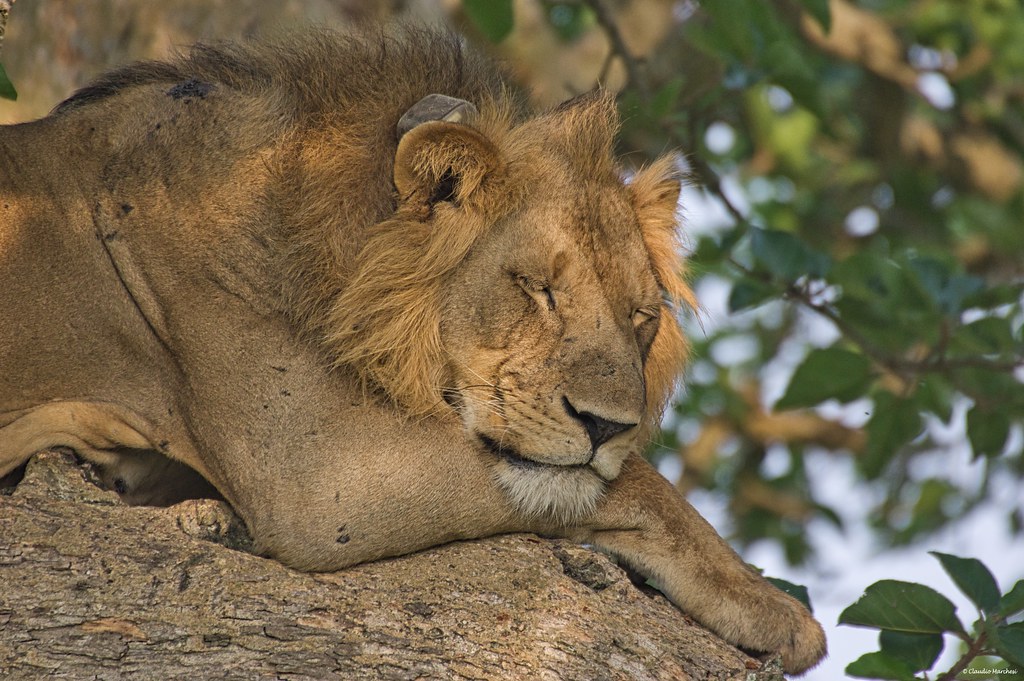
Queen Elizabeth National Park: Known for lions, elephants, buffalo, hippos, and boat photography along the Kazinga Channel.
-
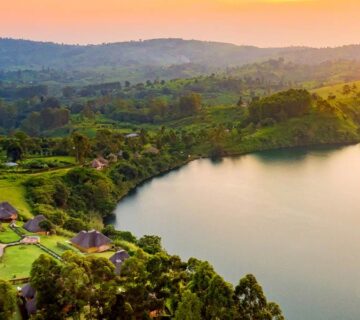
Murchison Falls National Park: Offers dramatic landscapes, Nile river wildlife, and large herds of savannah animals.
-
Kibale National Park: Ideal for chimpanzee photography and vibrant birdlife in lush forest environments.
Choosing destinations aligned with your photography goals ensures a rewarding safari experience.
Select Photography-Friendly Lodges
Lodges are more than a place to rest—they are strategic bases for photography:
-
Proximity to Wildlife: Stay close to trekking trails or game drives to maximize time in the field.
-
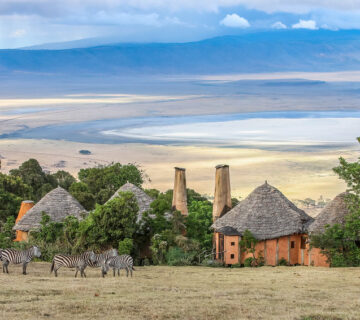
Photography Amenities: Observation decks, terraces, hides, and scenic viewpoints give better angles for shooting.
-
Expert Guides: Guides who understand wildlife behavior and photography can help you anticipate animal movements and frame the perfect shot.
-
Flexible Schedules: Lodges that allow early departures or late returns enable photographers to take advantage of golden hour lighting.
Choosing the right lodge can make the difference between a rushed photo session and a serene, productive day of shooting.
Plan Around Lighting
Lighting is key to stunning photography:
-
Early Morning (Golden Hour): Soft light illuminates textures, fur, and natural behaviors.
-
Late Afternoon: Similar golden hour lighting creates dramatic shadows and enhances the landscape.
-
Forest Conditions: Dense forests may require higher ISO, wider apertures, or faster lenses to capture movement.
-
Backlighting and Mist: Misty mornings in Bwindi or Mgahinga add atmosphere and depth to wildlife portraits.
Aligning your activities with optimal lighting ensures each photograph is vibrant and visually striking.
Bring the Right Equipment
Proper equipment is essential for capturing high-quality images:
-
Camera: DSLR or mirrorless with fast autofocus and high ISO performance.
-
Lenses: Telephoto for distant animals, wide-angle for landscapes or gorilla families, and macro for birds and insects.
-
Tripods/Monopods: Stabilize shots in low light or for detailed wildlife portraits.
-
Accessories: Extra batteries, memory cards, rain covers, lens hoods, and microfiber cloths for maintenance in humid and dusty conditions.
Having versatile, reliable equipment allows photographers to capture both intimate close-ups and expansive environmental shots.
Include Photography Guidance
Many photography-focused safari packages offer guidance that enhances your experience:
-
Pre-Trek or Pre-Drive Briefings: Advice on camera settings, composition, and anticipating wildlife behavior.
-
On-Site Assistance: Guides help position you for the best shots without disturbing animals.
-
Post-Processing Tips: Guidance on editing to maintain natural beauty while enhancing the image.
Professional advice ensures that photographers can maximize both technical quality and creative storytelling.
Consider Seasonal and Wildlife Factors
-
Dry Season (December–February, June–August): Easier travel, concentrated wildlife, and clear skies for sweeping landscape shots.
-
Wet Season (March–May, September–November): Lush greenery, dramatic mist, and abundant birdlife, though trails may be slippery.
Selecting the season that aligns with your photographic goals will enhance both wildlife visibility and visual composition.
Practice Ethical Photography
Respecting wildlife and habitats is essential:
-
Maintain safe distances.
-
Avoid disturbing animals with noise or sudden movements.
-
Follow park rules and guides’ instructions.
-
Leave no trace and protect the natural environment.
Ethical practices preserve wildlife behavior and ensure long-term access for future photographers.
Make Your Safari Visually Rewarding
A photography-focused safari in Uganda is a combination of adventure, planning, and creativity. By defining your goals, choosing the right destinations and lodges, planning around light, bringing proper equipment, and respecting wildlife, each moment becomes a chance to capture stunning, authentic images. From gorilla families in misty forests to big game on golden savannahs, your safari can produce a portfolio that truly tells the story of Africa’s wild beauty.