How to Plan a Chimpanzee Safari in Kibale Forest
Planning a chimpanzee safari in Kibale Forest requires thoughtful preparation, as this experience is both adventurous and deeply immersive. Kibale Forest National Park is widely recognized as the best place in Africa to see chimpanzees in the wild, offering high sighting success, well-organized trekking systems, and a rich rainforest ecosystem. A well-planned safari ensures that visitors not only see chimpanzees but also fully appreciate the forest, its biodiversity, and the conservation efforts that protect it.
Kibale’s charm lies in its raw authenticity. The forest is alive with sound and movement, and chimpanzee trekking here feels like an active exploration rather than a passive wildlife viewing experience. Proper planning allows travelers to approach this adventure with realistic expectations and maximum enjoyment.
Understanding Kibale Forest as a Chimpanzee Destination
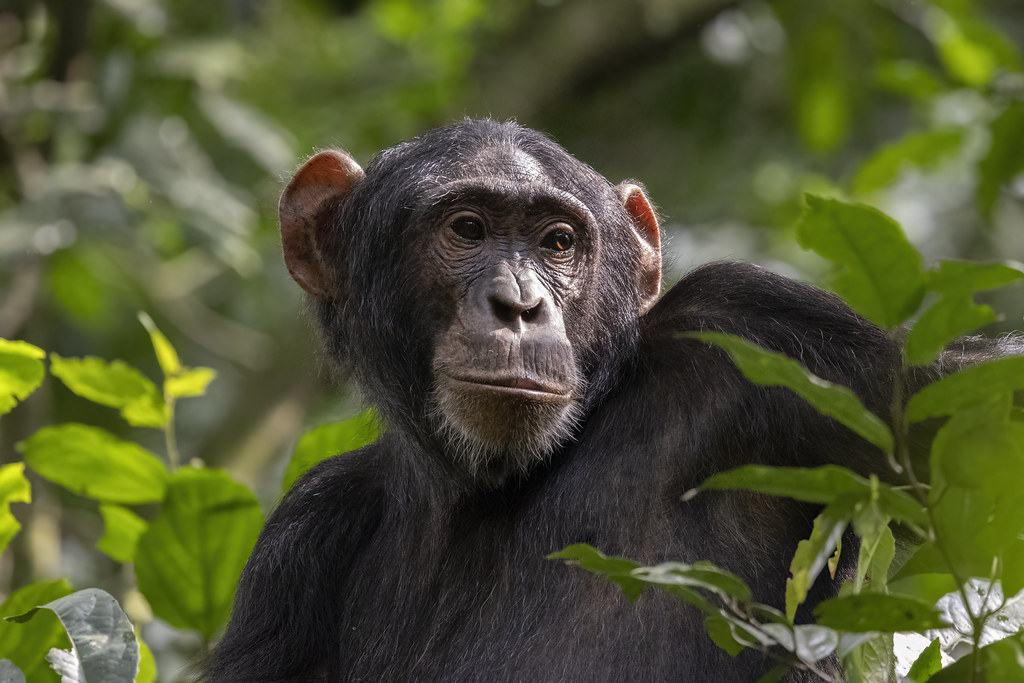
Kibale Forest National Park is home to one of the highest concentrations of chimpanzees in Africa, along with numerous other primate species. Its dense tropical rainforest provides ideal conditions for chimpanzee communities that have been studied and habituated over decades. This long history of research and conservation has resulted in a well-regulated trekking program that balances visitor access with animal welfare.
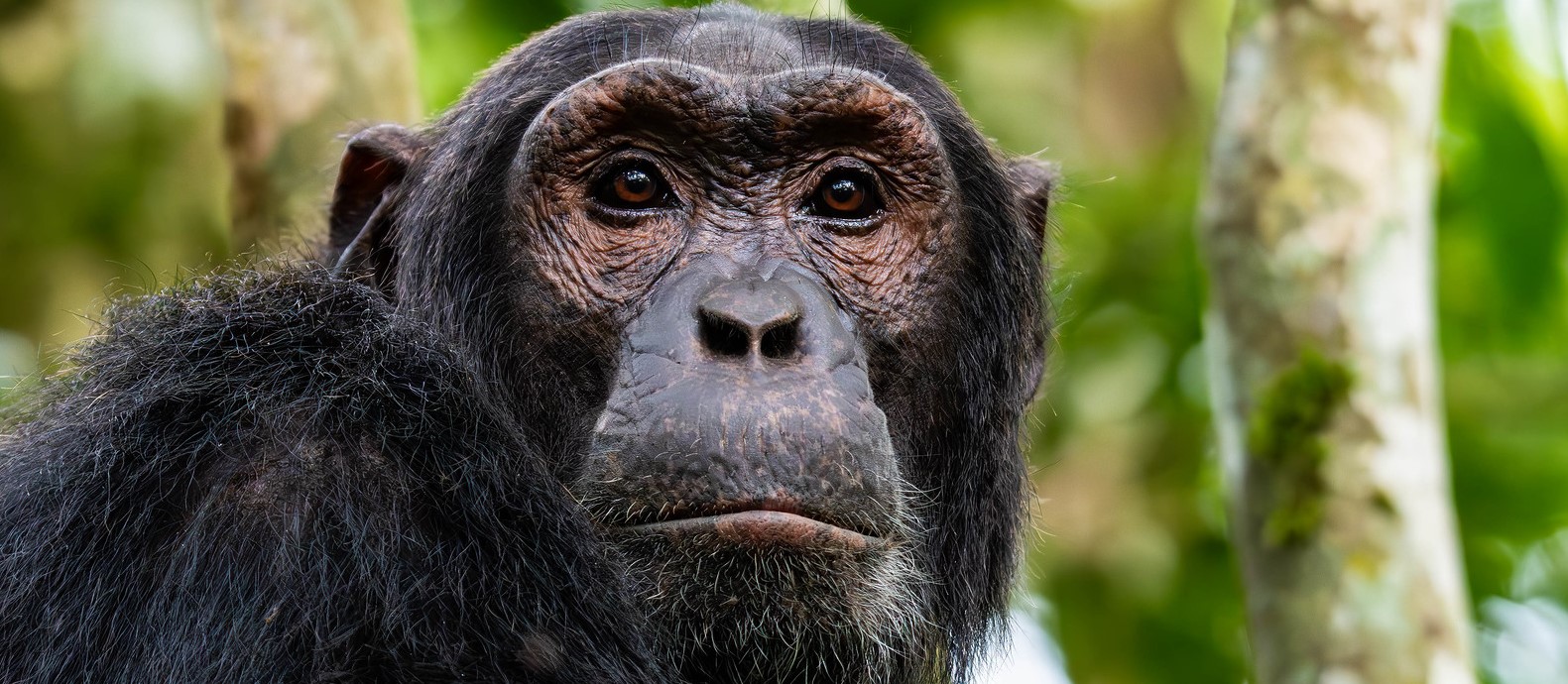
Chimpanzees in Kibale are highly vocal and energetic, often moving quickly through the canopy and forest floor. This dynamic behavior makes trekking here particularly exciting but also physically engaging. Understanding this aspect of Kibale helps travelers plan with the right mindset and physical readiness.
Securing Chimpanzee Trekking Permits
Chimpanzee trekking in Kibale Forest requires an official permit issued by wildlife authorities. These permits regulate the number of visitors per trek and help fund conservation initiatives. Planning ahead is essential, especially during popular travel seasons, as permit availability can be limited.
Permits are tied to specific trekking sessions, typically conducted in the morning and afternoon. Choosing the right session depends on personal preference, fitness level, and overall itinerary structure. Morning treks often benefit from cooler temperatures and heightened chimpanzee activity, while afternoon treks can offer a quieter forest atmosphere.
Choosing the Best Time to Visit Kibale Forest
Chimpanzee trekking in Kibale Forest is possible year-round, but seasonal variations affect the overall experience. Drier periods tend to make forest trails more accessible and trekking more comfortable, which is particularly important for travelers unfamiliar with rainforest terrain. During these months, chimpanzees often remain closer to feeding areas, increasing the likelihood of prolonged encounters.
Wetter periods transform Kibale into a lush, vibrant ecosystem. While trails may be muddy and trekking more demanding, the forest feels alive with birdlife and vegetation. Fewer visitors during these months create a more intimate trekking environment, appealing to travelers who prioritize atmosphere over ease.
Selecting Accommodation Near Kibale Forest
Accommodation choice plays a significant role in planning a smooth chimpanzee safari. Staying close to the park reduces travel time and allows for early-morning starts without fatigue. Lodges around Kibale range from comfortable mid-range options to refined eco-lodges that emphasize sustainability and immersion in nature.
A good lodge enhances the experience by offering knowledgeable staff, guided nature walks, and insights into the forest’s ecology. Evenings spent listening to forest sounds or discussing the day’s trek with guides add depth to the safari beyond the chimpanzee encounter itself.
Preparing for the Chimpanzee Trekking Experience
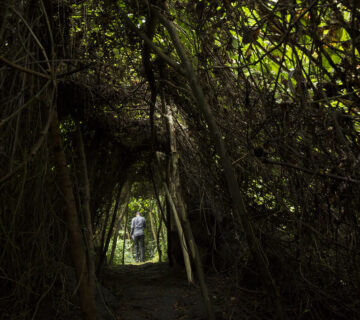
Preparation is essential for a successful chimpanzee safari in Kibale Forest. Trekking involves walking through dense vegetation, navigating uneven terrain, and sometimes moving quickly to follow chimpanzee groups. Travelers should be reasonably fit and comfortable with active hiking.
Appropriate clothing and footwear help ensure comfort and safety. Long sleeves and trousers protect against vegetation, while sturdy walking shoes provide grip on forest trails. Mental preparation is equally important, as chimpanzee behavior is unpredictable, and sightings may involve brief but intense moments of activity rather than long periods of still observation.
What to Expect During the Trek
Chimpanzee trekking in Kibale begins with a briefing led by experienced guides who explain forest rules, safety measures, and chimpanzee behavior. Once in the forest, trackers follow vocalizations and feeding signs to locate the chimpanzee community. The trek may last from one to several hours, depending on chimpanzee movement.
When chimpanzees are encountered, visitors observe them as they feed, groom, socialize, and move through the forest. Their intelligence and social complexity are evident in every interaction. Unlike gorillas, chimpanzees rarely stay still for long, creating a fast-paced and exhilarating experience that keeps visitors fully engaged.
Ethical Considerations and Conservation Awareness
Chimpanzee safaris in Kibale Forest are guided by strict ethical standards designed to protect both animals and visitors. Maintaining distance, limiting viewing time, and minimizing disturbance are essential aspects of responsible trekking. These guidelines ensure that chimpanzees remain wild and healthy while allowing meaningful observation.
By participating in chimpanzee trekking, travelers contribute directly to conservation efforts and community livelihoods. Understanding this connection adds purpose to the experience and reinforces the importance of responsible tourism.
Combining Chimpanzee Trekking with Other Experiences
Planning a chimpanzee safari in Kibale Forest often involves combining the trek with other experiences in western Uganda. Nearby national parks offer classic wildlife safaris, scenic crater lakes, and cultural encounters that complement the primate-focused adventure. This combination creates a richer and more balanced itinerary that appeals to travelers seeking variety.
The proximity of Kibale to Queen Elizabeth National Park makes it particularly easy to blend chimpanzee trekking with game drives and boat safaris, offering a contrast between forest and savannah ecosystems within a single journey.
Creating a Smooth and Rewarding Safari Experience
The key to planning a successful chimpanzee safari in Kibale Forest lies in attention to detail. Securing permits early, choosing suitable accommodation, understanding seasonal conditions, and preparing physically all contribute to a smooth experience. Working with knowledgeable guides and respecting conservation guidelines ensures that the trek is not only enjoyable but also meaningful.
A well-planned chimpanzee safari in Kibale Forest offers more than a wildlife sighting. It is an immersive journey into a living rainforest, a close encounter with intelligent primates, and an opportunity to engage deeply with one of Uganda’s most remarkable ecosystems.