Horseback Safaris in Uganda
A Unique Way to Explore Uganda’s Wildlife
Uganda is widely recognized for its lush landscapes, primate trekking, and savannah safaris. Among these experiences, horseback safaris stand out as a unique and intimate way to explore the country’s wildlife. These safaris combine the thrill of riding with the opportunity to approach wildlife quietly, traverse varied terrain, and capture stunning photographic perspectives. Horseback safaris are offered in several Ugandan parks, most notably Lake Mburo National Park, and cater to both experienced riders and beginners, providing a versatile and immersive wildlife adventure.
Horseback Safari Destinations
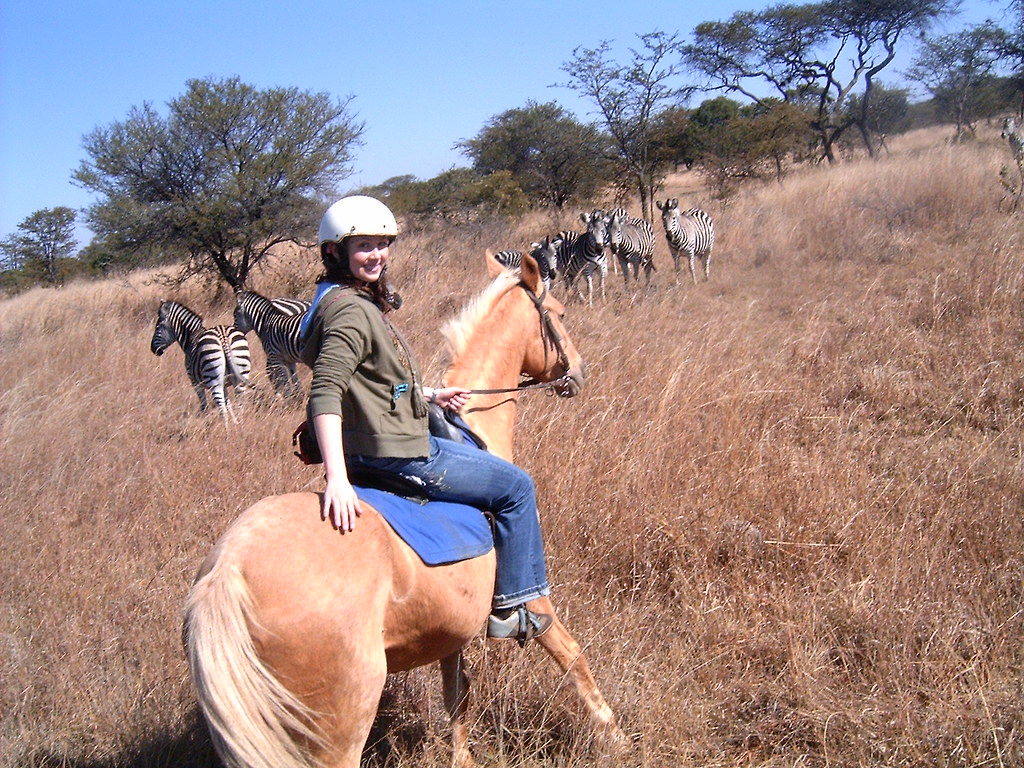
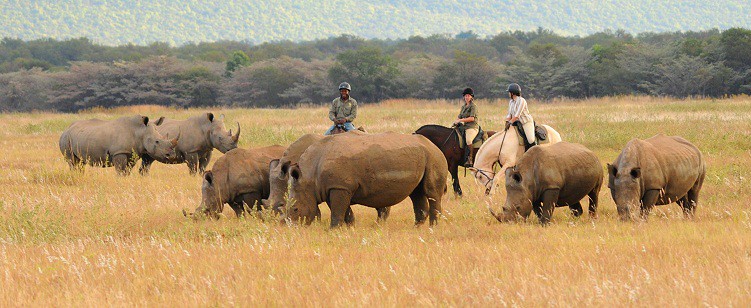
Lake Mburo is Uganda’s premier horseback safari destination. Its rolling hills, open savannahs, acacia woodlands, and lakes create ideal terrain for riding. Horseback safaris allow visitors to approach zebra herds, impalas, topis, and buffalo quietly without startling them. Early morning and late afternoon rides maximize wildlife sightings and photography opportunities. Ziwa Rhino Sanctuary also offers horseback rides along designated trails, giving visitors a different perspective of the sanctuary while observing white rhinos, antelopes, and rich birdlife.
The Experience
Horseback safaris are guided by trained guides and professional riding instructors who ensure both safety and wildlife awareness. Riding on horseback allows a low-impact, quiet approach to animals, increasing the likelihood of observing natural behaviors. Common wildlife sightings include zebras and impalas grazing in open savannahs, Cape buffalo herds moving between feeding areas, eland and bushbuck in woodland patches, and birds such as African fish eagles, hornbills, and weaver species along riverbanks and trees. Horseback safaris also offer unique photographic perspectives, such as low-angle shots of grazing wildlife, panoramic views across rolling hills, and intimate wildlife portraits without the disturbance caused by vehicles.
Safety and Suitability
Horseback safaris accommodate all levels of riding experience, with instruction provided before departure. Armed rangers accompany the rides in areas with larger wildlife to ensure safety. Helmets and riding equipment are provided for comfort and protection. Groups are kept small to reduce wildlife disturbance and allow personalized guidance throughout the safari.
Seasonal Considerations
The dry season, from December to February and June to September, provides firm, accessible trails, with animals often gathering near water sources, making wildlife viewing easier. The wet season, from March to May and October to November, transforms the landscape into lush greenery, providing scenic views, although some trails may be muddy or slippery. Early mornings and late afternoons are optimal times for horseback safaris, offering cooler temperatures, increased wildlife activity, and ideal lighting for photography.
Complementary Activities
Horseback safaris can be combined with walking safaris for areas inaccessible to horses or to observe smaller wildlife. Game drives complement horseback rides by covering larger park areas, increasing the chances of spotting additional species. Birdwatching can be integrated into early morning rides, allowing visitors to spot diverse bird species in savannahs and along watercourses. Cultural visits to local communities near the parks provide insight into traditional pastoralist lifestyles and conservation efforts.
Accommodation Options
Luxury lodges offer proximity to riding trails, private decks, and premium amenities for a comfortable safari experience. Mid-range lodges provide easy access to horseback safari routes with comfortable rooms and guided packages. Eco-camps offer minimalist accommodations for travelers seeking immersive bush experiences and adventure.
Why Horseback Safaris in Uganda Are Special
Horseback safaris provide a closer, quieter, and more immersive wildlife experience compared to vehicle safaris. Riders can move gently through the bush, often coming within closer proximity to wildlife while causing minimal disturbance. The combination of wildlife viewing, photography opportunities, and connection with the natural environment makes horseback safaris a unique and memorable way to explore Uganda’s savannahs and conservation areas.