
Health & Vaccinations for Rwanda: What Travelers Need to Know
Health preparation plays a key role in planning a safe and enjoyable trip to Rwanda. The country has made significant progress in public health, sanitation, and medical services, especially in urban areas and tourist regions. Still, travelers should understand vaccination requirements, health risks, and medical readiness before arrival. This guide explains everything clearly, so you can travel to Rwanda with confidence.
Is Rwanda a Healthy Country to Visit?
Rwanda is considered one of the cleanest and most health-conscious countries in Africa. Cities and towns maintain strong hygiene standards, and food safety regulations are well enforced in hotels and established restaurants. Tourist areas, including national parks and lodges, follow strict cleanliness and safety protocols. While rural healthcare access remains limited, the overall health environment for travelers is stable and well managed.
Are Vaccinations Required to Enter Rwanda?
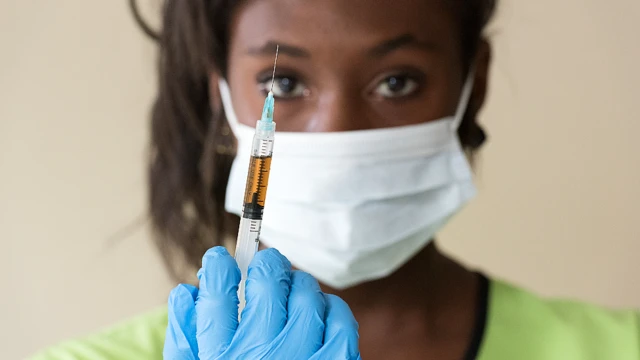
Rwanda requires proof of yellow fever vaccination for travelers arriving from countries with a risk of yellow fever transmission. Immigration officers may ask for an international yellow fever certificate on arrival. Travelers arriving directly from non-risk countries are usually not required to present the certificate, but carrying it is strongly advised, especially when transiting through multiple African countries.
Which Vaccinations Are Recommended for Rwanda Travel?
Several routine and travel-related vaccinations are recommended for Rwanda. These include hepatitis A, hepatitis B, typhoid, tetanus, and measles. Travelers who plan extended stays, rural travel, or close community interaction may also consider rabies vaccination. These vaccines do not affect entry approval but help protect your health during the trip.
Is Malaria a Risk in Rwanda?
Malaria exists in Rwanda, but risk levels are lower than in many neighboring countries. The risk increases in lowland and rural areas, while high-altitude regions such as Volcanoes National Park have minimal risk. Most travelers take antimalarial medication as a precaution and use mosquito repellent, long-sleeved clothing, and mosquito nets provided at lodges.
What About COVID-19 and Other Viral Illnesses?
Rwanda maintains strong disease monitoring systems and responds quickly to public health threats. COVID-19 entry requirements have been relaxed, but travelers should still stay updated on airline and transit rules. Standard precautions such as hand hygiene and avoiding travel when ill remain important. Rwanda’s health authorities actively manage outbreaks of common viral illnesses.
Is the Food and Water Safe in Rwanda?
Food safety in Rwanda is generally good, especially in hotels, lodges, and reputable restaurants. Travelers should drink bottled or treated water rather than tap water. Fresh fruits should be washed or peeled, and street food should be chosen carefully. Following basic food hygiene practices significantly reduces the risk of stomach-related illnesses.
What Medical Facilities Are Available in Rwanda?
Kigali hosts modern hospitals and private clinics that provide reliable medical care for most routine and emergency needs. Facilities such as private international clinics cater specifically to expatriates and travelers. Outside Kigali, medical facilities are more basic, and serious cases may require evacuation. Travel insurance that includes medical evacuation is essential for all visitors.
Do I Need Travel Insurance for Rwanda?
Travel insurance is strongly recommended for anyone visiting Rwanda. Insurance should cover medical treatment, emergency evacuation, trip cancellation, and personal belongings. Activities such as gorilla trekking involve remote locations, making evacuation coverage particularly important. Many lodges and tour operators require proof of insurance before certain activities.
Are There Health Risks During Gorilla Trekking?
Gorilla trekking is safe when health guidelines are followed. Visitors with flu symptoms, coughs, or contagious illnesses are not allowed to trek, as mountain gorillas are highly vulnerable to human diseases. Rangers conduct health checks and briefings before each trek. Maintaining distance and following hygiene rules protects both visitors and gorillas.
What Medications Should I Bring to Rwanda?
Travelers should bring personal prescription medications in original packaging, along with a copy of the prescription. A basic travel medical kit should include pain relievers, anti-diarrheal medication, antihistamines, insect repellent, and sunscreen. Pharmacies are available in cities, but specific brands may not be available.
Is Rwanda Safe for Travelers With Medical Conditions?
Travelers with existing medical conditions can visit Rwanda safely with proper preparation. Consulting a healthcare provider before travel is essential. Carrying medical documentation, medications, and insurance details ensures smoother access to care if needed. Rwanda’s calm environment and good infrastructure provide reassurance for older travelers and those with special health needs.
Final Health Advice for Rwanda Travelers
Rwanda offers a clean, organized, and health-conscious travel environment. With proper vaccinations, preventive measures, and travel insurance, most visitors experience no health issues during their stay. Preparing responsibly allows you to focus fully on Rwanda’s wildlife, culture, and landscapes.