
Health and Safety Tips for Uganda Safaris: A Comprehensive Guide for Travelers
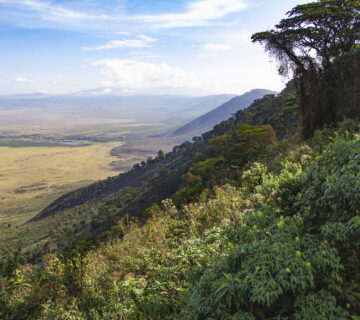
Undertaking a safari in Uganda, the Pearl of Africa, is an extraordinary adventure, offering encounters with mountain gorillas, big game, and vibrant birdlife, all set against dramatic landscapes. To ensure a safe and enjoyable experience, travelers must plan carefully for health, safety, and logistical considerations. This detailed guide covers all aspects of preparation, from medical precautions and wildlife safety to personal wellness, transport, and cultural awareness.
Vaccinations and Medical Preparation
Prior to traveling to Uganda, a consultation with a travel medicine specialist is essential. Recommended vaccinations for most travelers include Yellow Fever (mandatory for entry), Hepatitis A and B, Typhoid, Tetanus, and routine immunizations such as measles, mumps, rubella, and polio. For individuals planning extended forest excursions or close wildlife interactions, rabies vaccination may be considered.
Malaria is endemic in many regions of Uganda, including Bwindi Impenetrable Forest, Queen Elizabeth, and Murchison Falls National Parks. Prophylactic anti-malarial medication should be taken according to medical advice. In addition, travelers should use insect repellents containing DEET, wear long-sleeved clothing during early morning and late evening, and consider insecticide-treated clothing to minimize exposure.
Travelers with pre-existing health conditions should carry sufficient medication for the entire trip, along with prescriptions, and ensure they understand dosage schedules. Carrying a small first aid kit with essentials such as bandages, antiseptic ointments, pain relievers, and anti-diarrheal medication is highly recommended.
Safe Drinking Water and Food Precautions
Waterborne diseases, including cholera and diarrhea, are risks in remote areas. Travelers should drink only bottled or boiled water and avoid ice from unverified sources. Food should be freshly prepared, thoroughly cooked, and eaten in reputable lodges or restaurants. Fruits and vegetables should be washed with safe water or peeled. Hand hygiene is critical—carry hand sanitizer and wash hands before eating or handling food.
Wildlife Safety Guidelines
Uganda’s wildlife safari experiences are exhilarating, but maintaining safety is paramount. During game drives, travelers should stay inside vehicles, avoid loud noises or sudden movements, and follow the guidance of trained guides.
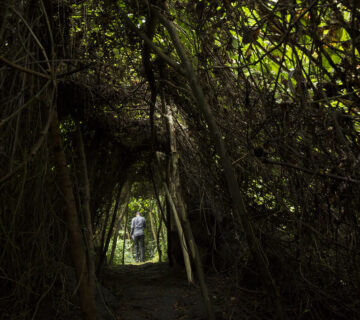
Gorilla trekking safety is strictly regulated. Visitors must remain at least 7 meters from gorillas, avoid direct contact, and refrain from eating or smoking near them. Hand sanitization before and after treks prevents disease transmission. Flash photography should be minimized to avoid disturbing animals, and trekkers should remain calm and quiet to ensure the gorillas’ natural behavior is not disrupted.
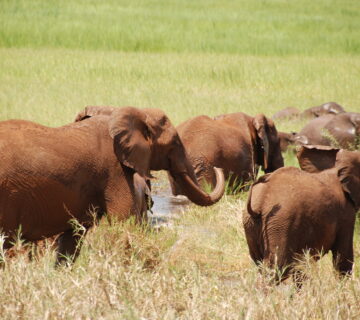
When observing predators, elephants, or other potentially dangerous animals in savanna parks, always maintain a safe distance. Guides are trained to predict wildlife behavior, and following their instructions is essential for both safety and successful sightings.
Road and Transport Safety
Safari travel involves driving on rural and often uneven roads, which can be particularly challenging during the rainy season. Travelers should use reputable tour operators with experienced drivers and well-maintained 4×4 vehicles. Always wear seatbelts, keep hands inside the vehicle, and follow guides’ instructions during transfers.
During river or lake boat safaris, life jackets should be worn at all times. Weather conditions can change quickly, so checking forecasts and following the advice of guides ensures safe water-based activities.
Personal Safety and Wellness
Maintaining personal wellness during a safari is crucial. Travelers should stay hydrated, use sunscreen with high SPF, wear protective clothing, and pace themselves during long drives or hikes. Early mornings and late afternoons are the best times for wildlife activity, but these periods can be chilly in highland areas, so layering is recommended.
Fatigue can affect alertness during treks or drives; adequate rest and nutritious meals help sustain energy levels. Avoid overexertion, particularly at high altitudes or during challenging gorilla treks.

Emergency Preparedness
Travelers should know the location of medical facilities near their safari destinations. Carry a travel insurance policy covering medical emergencies and evacuation. Most safari lodges and tour operators have emergency protocols and first aid-trained staff. Mobile connectivity can be limited in remote areas, so having a plan for communication during emergencies is advisable.
Seasonal Considerations
During Uganda’s green or rainy season (March–May, September–November), trails may be muddy, rivers may swell, and vehicle access can be challenging. Waterproof clothing, sturdy hiking boots, and protective gear for cameras are essential. Dry seasons (December–February, June–August) offer easier mobility, clearer skies, and concentrated wildlife sightings, but sun exposure can be intense, requiring adequate sun protection.
Cultural Awareness and Interaction
Respecting local customs is an integral part of safari safety. When visiting villages or cultural sites, ask permission before photographing people, dress modestly, and adhere to local etiquette. Engaging responsibly with communities enhances both safety and the overall safari experience.
Tips for a Safe and Memorable Safari
-
Carry a first aid kit and essential medications.
-
Drink bottled or boiled water and eat freshly prepared food.
-
Use insect repellent and wear protective clothing.
-
Maintain safe distances from all wildlife, especially gorillas and predators.
-
Follow guide instructions at all times during treks, drives, and boat trips.
-
Be mindful of weather and road conditions, adjusting plans as necessary.
-
Ensure travel insurance covers medical evacuation and emergencies.
Safeguarding Your Uganda Safari Experience
A Uganda safari combines adventure, wildlife encounters, and natural beauty, but health and safety precautions are essential to fully enjoy the journey. By preparing medically, respecting wildlife, practicing personal wellness, and following expert guidance, travelers can experience gorilla trekking, big game drives, birdwatching, and cultural exploration with confidence. Careful planning ensures that your safari in the Pearl of Africa is not only thrilling but safe, comfortable, and unforgettable.