Gorilla Trekking Seasons in Bwindi Impenetrable Forest
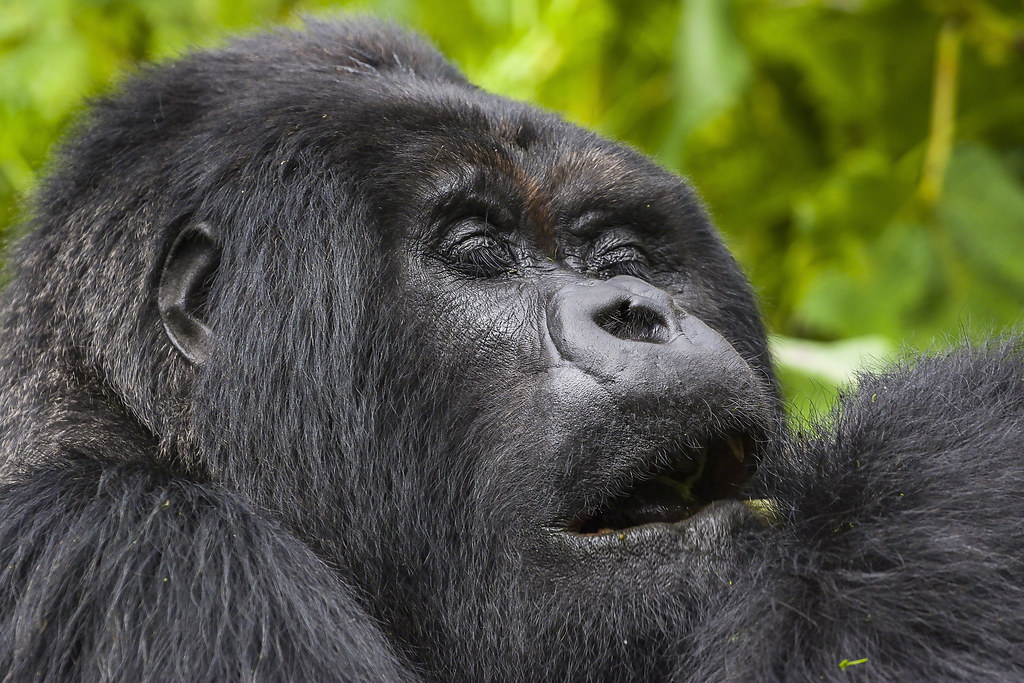
Determining the best time to trek gorillas in Bwindi Impenetrable Forest requires understanding how weather patterns, forest conditions, permit demand, and visitor experience interact throughout the year. Bwindi is a tropical rainforest located in southwestern Uganda, characterized by dense vegetation, steep terrain, and year-round gorilla presence. Unlike migratory wildlife experiences, gorilla trekking is available every month of the year, but the quality of trekking conditions and overall comfort varies significantly by season.
The concept of the “best time” depends on traveler priorities. Some visitors prioritize easier hiking and dry trails, while others value fewer crowds, lush scenery, or photography atmosphere. Bwindi offers meaningful gorilla encounters in every season, but each period presents distinct advantages and challenges.
Dry Season Gorilla Trekking in Bwindi
The dry seasons are widely considered the most comfortable and popular time to trek gorillas in Bwindi. These periods typically occur from June to September and from December to February. During these months, rainfall is reduced, forest trails are firmer, and trekking conditions are generally more manageable.
With less mud and improved visibility along forest paths, trekkers experience reduced physical strain, especially on steep slopes. This makes the dry season particularly appealing for first-time trekkers, older travelers, and those with moderate fitness levels. Dry conditions also reduce the likelihood of prolonged delays caused by heavy rain, allowing for smoother trekking logistics and predictable daily schedules.
However, the popularity of the dry season means higher demand for gorilla trekking permits and accommodation. Lodges often reach full capacity, and permits may sell out several months in advance. Travelers planning to trek during these months should secure permits early to ensure availability in preferred Bwindi sectors such as Buhoma, Rushaga, Ruhija, or Nkuringo.
Wet Season Gorilla Trekking in Bwindi
The wet seasons in Bwindi typically occur from March to May and from October to November. During these months, rainfall increases, transforming the forest into a lush, vibrant ecosystem. While trails can become muddy and more physically demanding, gorilla trekking remains highly rewarding, as gorillas stay within their established home ranges year-round.
One of the key advantages of trekking during the wet season is reduced visitor numbers. Fewer tourists mean quieter forest experiences, more availability of permits, and a more intimate atmosphere during treks. Lodges may also offer lower seasonal rates, making this period appealing for budget-conscious travelers.
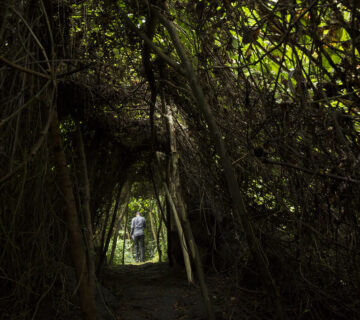
The wet season presents challenges such as slippery terrain and sudden rain showers, but it also offers dramatic scenery. Mist rising through the forest canopy, rich green vegetation, and moody lighting conditions create an exceptional setting for photography. Travelers who are well-prepared with proper footwear, rain gear, and a flexible mindset often find the wet season deeply rewarding.
Monthly Breakdown of Gorilla Trekking Conditions
January and February fall within the short dry season and offer relatively stable weather, moderate temperatures, and good trekking conditions. These months are ideal for travelers seeking a balance between comfort and availability, though demand remains steady.
March to May marks the long rainy season, with April often experiencing the heaviest rainfall. Trails can be challenging, but the forest is at its most vibrant. This period is best suited for experienced hikers, photographers seeking atmospheric conditions, and travelers looking for fewer crowds.
June to September is the peak dry season and the most sought-after time to trek gorillas in Bwindi. Weather conditions are favorable, and trails are at their driest. This period is ideal for travelers prioritizing ease of trekking and reliable logistics, but it requires early booking due to high demand.
October and November bring short rains, offering a transitional season with fewer visitors and refreshing forest conditions. Trekking remains excellent, though occasional rain should be expected.
December marks the return of the short dry season, coinciding with holiday travel. This period combines improved trekking conditions with festive travel demand, making early planning essential.
Best Time for Gorilla Photography in Bwindi
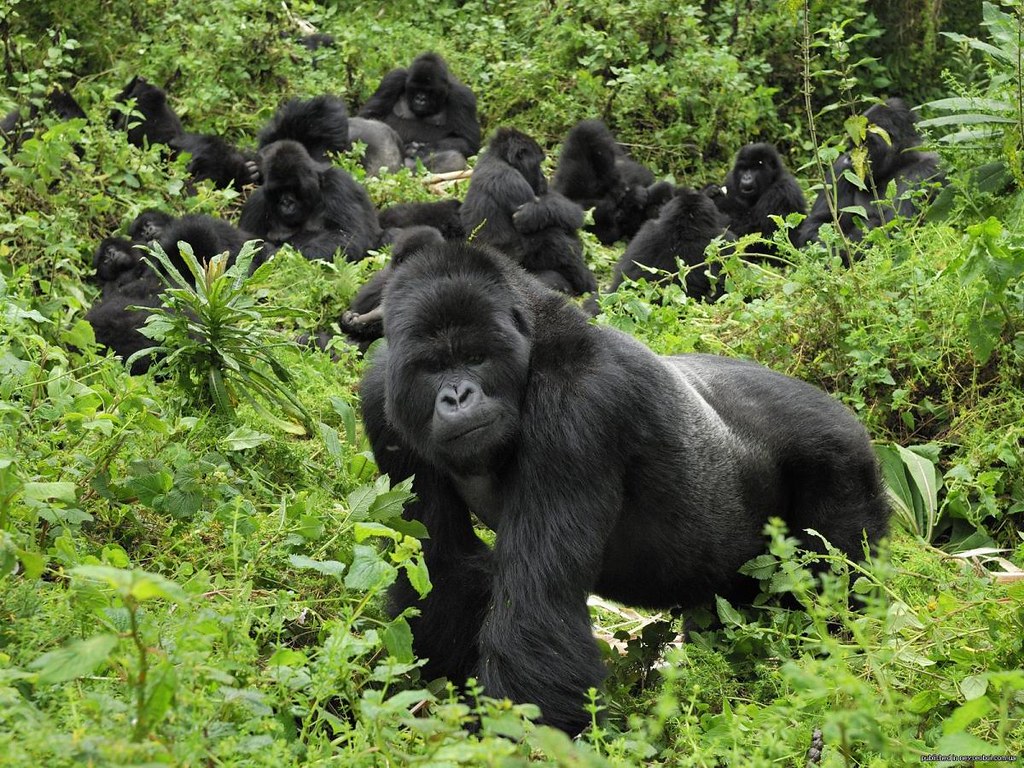
Photography conditions in Bwindi vary subtly by season. The dry months provide more stable footing and slightly brighter forest conditions, making it easier to position for shots. However, the wet season offers dramatic visual elements such as mist, dew-covered foliage, and deeper green tones that add emotional depth to images.
Because Bwindi’s dense canopy limits light year-round, photographers should prioritize preparation over season selection. That said, travelers seeking cleaner lenses, reduced humidity risks, and easier movement often prefer dry-season treks, while those seeking mood and atmosphere may favor rainy months.
Permit Availability and Seasonal Demand
Gorilla trekking permits are strictly limited each day to protect gorilla families and ensure sustainable tourism. During peak dry seasons, permits can sell out far in advance, especially in popular sectors. Wet seasons generally offer greater flexibility, making last-minute planning more feasible.
Regardless of season, permit availability ultimately determines trekking dates, making advance planning the most important factor in choosing the best time to trek gorillas in Bwindi.
Health, Comfort, and Preparation Across Seasons
Bwindi’s climate is cool compared to much of Uganda, particularly in higher-altitude sectors. Temperatures remain moderate year-round, but mornings can be chilly, and rain can occur at any time. Proper preparation, including sturdy hiking boots, waterproof clothing, gloves, and walking sticks, is essential in every season.
Travelers should also consider physical readiness. While dry seasons reduce trail difficulty, gorilla trekking always involves walking on uneven terrain. Hiring a local porter is recommended in all seasons and contributes directly to community livelihoods.
Choosing the Best Time Based on Traveler Type
For first-time trekkers and comfort-focused travelers, the dry seasons offer the most predictable experience. For photographers, conservation enthusiasts, and travelers seeking solitude, the wet seasons provide exceptional rewards. Budget travelers may find better value during rainy months, while families and older travelers often prefer the stability of dry periods.
There is no universally perfect time to trek gorillas in Bwindi, only the best time based on individual priorities, fitness levels, and travel style.