Gorilla Trekking Permits and Safari Planning Tips
Gorilla trekking in Uganda is a once-in-a-lifetime adventure, offering an intimate encounter with mountain gorillas in their natural forest habitats. This extraordinary experience requires careful planning, from securing permits to selecting the right trekking group, preparing physically, and combining the trek with complementary wildlife activities. Understanding the nuances of gorilla permits and safari logistics ensures a smooth, ethical, and memorable encounter.
Securing Gorilla Trekking Permits
Gorilla trekking permits are compulsory for all visitors to Bwindi Impenetrable Forest and Mgahinga Gorilla National Park. Managed by the Uganda Wildlife Authority (UWA), permits regulate the number of visitors entering these fragile ecosystems, ensuring minimal human impact on gorilla behavior and habitat. Each permit allows access for one person to a specific gorilla group on a set date and time.
Permit costs vary depending on the park and season. For example, Bwindi gorilla trekking permits generally cost around $700 per person during the high season, while Mgahinga permits are slightly lower at approximately $600. Booking well in advance is essential, especially during peak months (June to September and December to February), as permits can sell out quickly.
Choosing the Right Gorilla Park and Group
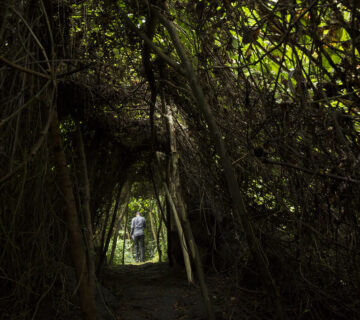
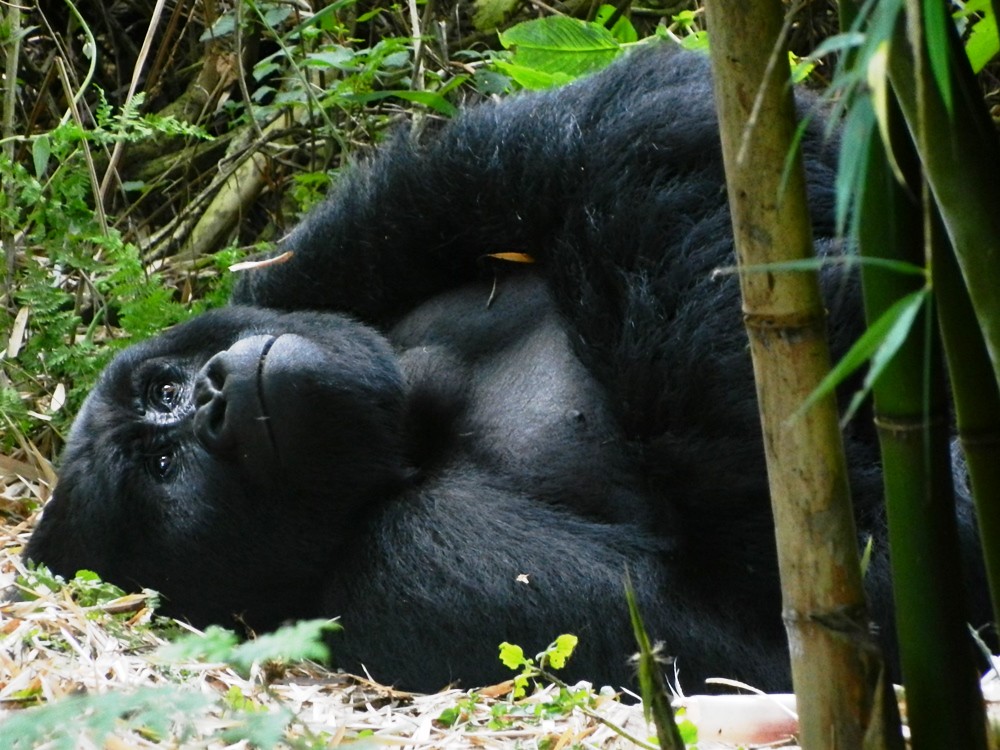
Bwindi Impenetrable Forest hosts multiple habituated gorilla groups, each offering a distinct trekking experience. Some groups are located in areas requiring strenuous hikes through steep, dense forests, ideal for adventurous travelers seeking a challenge. Other groups are accessible via shorter, less demanding trails, suitable for families or first-time trekkers.
Mgahinga Gorilla National Park, smaller and quieter than Bwindi, offers a more intimate encounter with gorillas. Its three habituated groups provide an opportunity for close observation without the crowds, set against the backdrop of volcanic peaks and bamboo forests. Choosing the right park and group depends on fitness level, hiking preference, and desired trekking experience.
Timing Your Trek for the Best Experience
Morning treks are preferred for optimal wildlife viewing, as gorillas tend to be most active during early hours. Treks usually start with a briefing at the park headquarters, where guides explain safety rules, ethical guidelines, and trekking protocols.
Seasonal considerations also influence trekking experiences. The dry seasons (June–September and December–February) offer easier trail conditions, clearer paths, and better photographic opportunities. Wet seasons (March–May and October–November) bring lush greenery and increased bird and primate activity, though trails may be muddy and more physically demanding.
Preparing Physically and Logistically
Physical preparation enhances comfort and safety, as treks can last from one to several hours over uneven terrain, steep inclines, and muddy forest paths. Essential gear includes:
-
Sturdy hiking boots with good grip
-
Layered clothing suitable for varying temperatures
-
Waterproof jackets for rainy conditions
-
Walking sticks for balance on steep or slippery trails
-
Gloves for handling vegetation and thorny bushes
-
Lightweight daypacks with water, snacks, and camera gear
Travel insurance covering medical emergencies, evacuation, and trekking activities is strongly recommended. Visitors should also ensure required vaccinations, including yellow fever, and carry any necessary medications.
Gorilla Trekking Rules and Ethical Guidelines
Strict ethical guidelines protect both gorillas and trekkers. Key rules include:
-
Maintain a minimum distance of seven meters from the gorillas
-
Limit observation to one hour per trek
-
Avoid direct eye contact or gestures that may be perceived as threatening
-
Do not touch, feed, or attempt to interact physically with the gorillas
-
Follow guides’ instructions at all times
These measures prevent disease transmission, reduce stress, and ensure that gorilla trekking remains a sustainable activity for future generations.
Complementary Safari Activities
Combining gorilla trekking with other wildlife experiences enriches your safari. Options include:
-
Chimpanzee trekking in Kibale Forest National Park
-
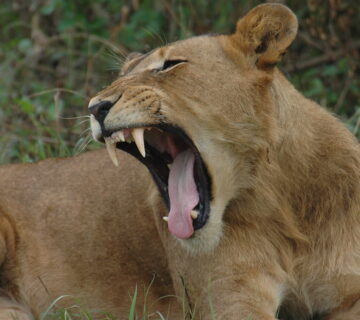
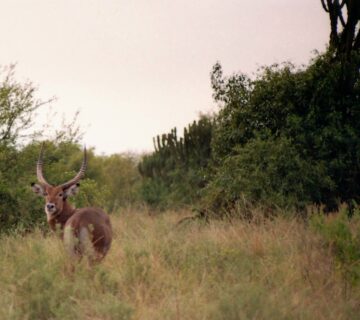
Game drives in Queen Elizabeth or Murchison Falls National Parks
-
Birdwatching expeditions in Bwindi, Mgahinga, or Lake Mburo
-
Nature walks and community visits near gorilla parks for cultural immersion
Planning multi-day itineraries with nearby lodges or eco-camps minimizes travel fatigue and enhances the overall safari experience.
Photography Tips for Gorilla Trekkers
Capturing gorillas on camera requires preparation and mindfulness. Recommendations include:
-
Use zoom lenses to maintain safe distance
-
Avoid using flash, which can stress the gorillas
-
Shoot in RAW for better post-processing flexibility in low-light conditions
-
Early morning light often provides the best natural illumination for forest photography
Maintaining quiet and slow movements ensures both better shots and a respectful encounter with the gorillas.
Why Advance Planning Matters
Successful gorilla trekking depends on careful organization. Early permit booking, choosing suitable trekking groups, preparing physically, and coordinating accommodations allow visitors to focus on the experience rather than logistical challenges. A well-planned trek enhances the opportunity for quality wildlife encounters, safe observation, and meaningful photographic moments.
Making Your Gorilla Safari Memorable
Gorilla trekking in Uganda is an extraordinary and life-changing experience, but its success hinges on thoughtful planning, ethical practices, and preparedness. By securing permits early, selecting appropriate trekking groups, adhering to guidelines, and integrating complementary wildlife activities, visitors ensure a safe, immersive, and unforgettable adventure. With careful planning, a gorilla safari in Uganda becomes more than a wildlife encounter—it becomes a profound connection with one of the world’s most endangered and fascinating species.