Gorilla Trekking in Uganda: Up Close with the Gentle Giants
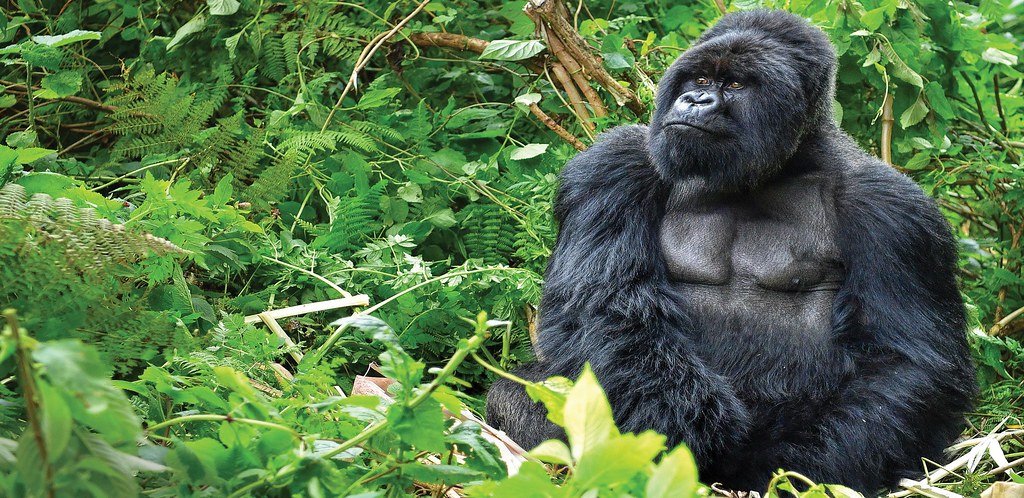
Uganda is globally celebrated for its mountain gorillas, offering an unparalleled wildlife experience that combines adventure, conservation, and cultural immersion. Gorilla trekking in Uganda allows visitors to witness these incredible primates in their natural habitats while supporting initiatives that protect their survival.
Prime Gorilla Trekking Destinations
Bwindi Impenetrable Forest National Park
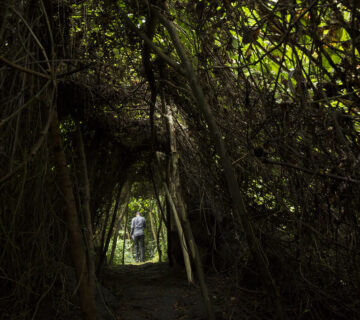
Bwindi is a UNESCO World Heritage Site and hosts over half of the world’s mountain gorilla population. Its dense, misty forests and rugged terrain create a challenging but highly rewarding trekking experience. Trekkers often traverse lush greenery, steep hills, and thick undergrowth before encountering gorilla families. Bwindi is divided into sectors—Rushaga, Ruhija, Buhoma, and Nkuringo—each offering unique trekking experiences with varying accessibility and crowd levels.
Mgahinga Gorilla National Park
Located in southwestern Uganda, Mgahinga offers a more remote and intimate trekking experience. The park’s landscape includes the Virunga Volcanoes, providing scenic trekking routes with panoramic views. Mgahinga is also home to the endangered golden monkeys, allowing visitors to combine gorilla and primate encounters in a single trip.
The Gorilla Trekking Journey
Preparation and Orientation
Before setting off, trekkers attend a briefing covering park regulations, safety procedures, and gorilla etiquette. Emphasis is placed on maintaining a safe distance, minimizing noise, and avoiding direct eye contact to prevent distress to the gorillas. Guides provide maps, tips for photography, and instructions on navigating challenging terrain.
The Trekking Experience
Treks can last 2 to 6 hours depending on the gorilla family’s location. Walking sticks and sturdy hiking boots are recommended for navigating steep slopes, muddy trails, and dense vegetation. The physical challenge adds to the sense of adventure, culminating in the extraordinary reward of encountering a gorilla family.
Encountering the Gorillas
Visitors spend up to one hour observing gorillas, witnessing natural behaviors such as playing, grooming, and nurturing their young. The experience allows for incredible photographic opportunities, though flash photography is prohibited. Each gorilla family behaves differently, providing unique and memorable encounters.
Conservation and Community Impact
Gorilla trekking is a key driver of conservation in Uganda. Trekking fees contribute to anti-poaching efforts, habitat preservation, and community development projects. Local communities benefit through employment, cultural tours, and revenue-sharing programs that encourage sustainable tourism. Visitors directly support both wildlife protection and local livelihoods.

Enhancing Your Gorilla Trekking Experience
Cultural Immersion
Trekkers can engage with local communities, such as the Batwa pygmy community, gaining insights into traditional lifestyles and cultural heritage. Cultural tours often include storytelling, traditional music, and visits to local craft markets.
Complementary Activities
-
Birdwatching: Bwindi hosts over 350 bird species, including sunbirds, turacos, and eagles.
-
Volcano Hikes: Mgahinga Volcanoes National Park offers treks to the summits of Muhavura, Gahinga, and Sabinyo, providing panoramic views of Uganda and neighboring Rwanda and DRC.
-
Nature Walks: Guided forest walks introduce trekkers to medicinal plants, butterflies, and unique flora of the region.
Practical Tips for Trekking
-
Booking: Secure permits months in advance, as they are limited and highly sought-after.
-
Fitness: Moderate physical fitness is recommended due to steep and uneven terrain.
-
Gear: Waterproof jackets, gloves, hats, insect repellent, and cameras with telephoto lenses enhance comfort and experience.
-
Seasons: Dry months (June–August, December–February) are ideal for trekking, but the forest remains lush and rewarding during wet months.
The Unforgettable Reward
Gorilla trekking in Uganda is more than a wildlife adventure; it is a life-changing encounter with one of the planet’s most endangered species. The combination of intimate wildlife observation, immersive forest trekking, and cultural engagement ensures that every visitor leaves with lasting memories and a deeper understanding of conservation.