Gorilla Trekking in Rwanda: Complete Guide
Gorilla trekking in Rwanda is one of the most powerful wildlife experiences in the world. It offers travelers a rare opportunity to meet endangered mountain gorillas in their natural forest habitat, observing their behavior at close range in a controlled and respectful setting. This experience goes beyond sightseeing. It creates an emotional connection that stays with visitors long after they leave Rwanda.
Rwanda has positioned itself as a global leader in gorilla conservation and high-value, low-impact tourism. Strict regulations, professional guiding, and strong community involvement ensure that gorilla trekking remains sustainable while delivering an exceptional experience. For many travelers, gorilla trekking becomes the defining moment of their African journey.
Where Gorilla Trekking Takes Place in Rwanda
All gorilla trekking in Rwanda takes place in Volcanoes National Park, located in the northwestern part of the country near the borders with Uganda and the Democratic Republic of Congo. The park forms part of the larger Virunga Conservation Area, a transboundary ecosystem that supports a significant portion of the world’s remaining mountain gorillas.
Volcanoes National Park is characterized by volcanic peaks, bamboo forests, and dense rainforest. Its high elevation creates cool temperatures and misty conditions that add to the dramatic atmosphere of the trek. The park’s compact size allows easy access from Kigali, making Rwanda the most accessible gorilla trekking destination in Africa.
Mountain Gorillas in Rwanda
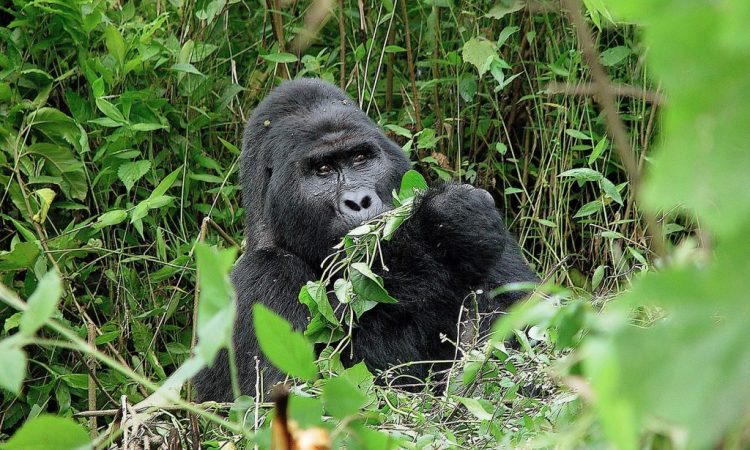
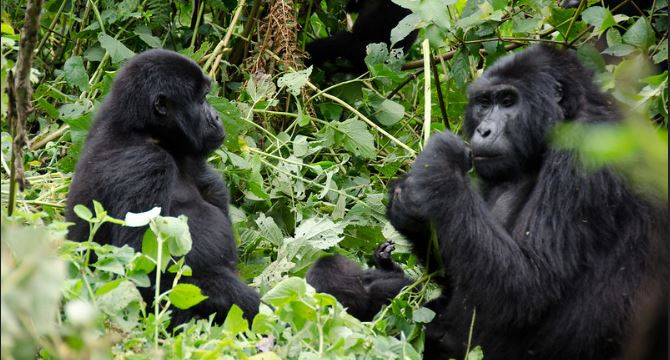
Rwanda is home to mountain gorillas, a critically endangered species found only in the Virunga Mountains and Bwindi Impenetrable Forest. These gorillas live in family groups led by a dominant silverback, with strong social bonds and complex behaviors.
Years of careful habituation allow certain gorilla families to tolerate the presence of humans for limited periods. This process takes several years and involves daily monitoring by trackers and conservation teams. As a result, gorilla encounters in Rwanda feel natural and respectful rather than intrusive.
Gorilla Families in Volcanoes National Park
Volcanoes National Park hosts multiple habituated gorilla families available for trekking. Each family has its own territory, group size, and personality. Some groups remain closer to the park boundaries, while others range higher into the volcanic slopes.
Park authorities assign trekkers to gorilla families based on fitness levels and availability. This ensures both visitor safety and gorilla welfare. Regardless of which family you visit, the experience remains equally meaningful, as time spent with the gorillas is carefully regulated.
How Gorilla Trekking Works
Gorilla trekking begins early in the morning with a briefing at the park headquarters. Visitors are divided into small groups, each led by experienced rangers and trackers. These professionals provide safety guidance and explain trekking rules before entering the forest.
Trackers locate the gorillas ahead of time, but trekking duration varies depending on the group’s movement. Once the gorillas are located, visitors are allowed exactly one hour in their presence. This time limit protects the gorillas while ensuring an intimate and unforgettable encounter.
Gorilla Trekking Permit Requirements
Every person trekking gorillas in Rwanda must hold a valid gorilla trekking permit. The permit grants access to Volcanoes National Park, ranger services, security, and the one-hour gorilla encounter. Permits are mandatory and strictly limited each day.
Permits are issued for specific dates and cannot be transferred or refunded. Due to high demand and limited availability, securing permits well in advance is essential, especially during peak travel seasons.
Cost of Gorilla Trekking in Rwanda
Rwanda’s gorilla trekking permit costs USD 1,500 per person. This fee reflects Rwanda’s conservation-focused tourism model, which prioritizes quality over quantity. The cost contributes directly to gorilla protection, habitat preservation, ranger salaries, and community development projects.
While the permit price is high compared to other destinations, many travelers consider the experience worth the investment. The emotional impact, conservation value, and exclusivity justify the cost for those seeking a once-in-a-lifetime encounter.
Best Time for Gorilla Trekking in Rwanda
Gorilla trekking in Rwanda is available year-round, but seasonal conditions affect comfort rather than success rates. Dry seasons from June to September and December to February offer firmer trails and easier hiking conditions.
Rainy seasons bring thicker vegetation and muddy paths, increasing physical challenge. However, gorilla sightings remain consistent, and fewer visitors create a quieter experience. Choosing the best time depends on personal comfort and travel preferences.
Difficulty Level and Physical Requirements
Gorilla trekking can be physically demanding, depending on the gorilla family’s location. Treks may last from one to six hours each way and often involve steep slopes, uneven ground, and dense vegetation.
A moderate level of fitness improves comfort, but determination matters more than athletic ability. Porters are available to assist with carrying bags and providing support, making trekking accessible to a wide range of travelers.
What to Expect During the Gorilla Encounter
Meeting mountain gorillas is an intense and emotional experience. Visitors observe the gorillas feeding, resting, grooming, and interacting with one another. The closeness allows for powerful moments of eye contact and connection.
Despite their size, gorillas are generally calm and gentle. Rangers ensure that visitors maintain a safe distance and follow all rules. The hour passes quickly, leaving many travelers deeply moved and reflective.
Gorilla Trekking Rules and Etiquette
Strict rules govern gorilla trekking to protect both visitors and gorillas. Trekkers must maintain distance, avoid flash photography, speak softly, and follow ranger instructions at all times. Anyone showing signs of illness is not permitted to trek.
These rules exist to prevent disease transmission and reduce stress on the gorillas. Respecting them ensures the long-term survival of the species and the continuation of gorilla tourism.
Conservation Impact of Gorilla Trekking
Gorilla trekking plays a critical role in conservation success. Permit revenue funds anti-poaching patrols, veterinary care, habitat protection, and community programs. Local communities receive a share of tourism revenue, reducing reliance on forest resources.
As a result of these efforts, mountain gorilla populations have steadily increased. Rwanda stands as a global example of how responsible tourism can support wildlife recovery.
Gorilla Trekking from Kigali
Volcanoes National Park lies approximately two and a half hours from Kigali by road. This proximity allows travelers to trek gorillas even on short itineraries. Many visitors combine gorilla trekking with city tours, cultural experiences, or Lake Kivu relaxation.
Rwanda’s accessibility makes gorilla trekking possible without extensive internal flights or long travel days, enhancing comfort and efficiency.
Plan Your Safari
Gorilla trekking in Rwanda offers an experience that combines conservation, adventure, and emotional depth. With careful planning, travelers enjoy a safe, intimate, and meaningful encounter with one of the world’s most endangered animals. Rwanda delivers gorilla trekking at the highest standard, making every moment purposeful and unforgettable.