Gorilla Trekking FAQs: Everything You Need to Know Before Your Trek
Gorilla trekking is one of Africa’s most powerful wildlife experiences. Travelers planning this journey often ask detailed questions about permits, fitness, rules, safety, and expectations on trekking day. This Gorilla Trekking FAQs guide answers those questions clearly and thoroughly, helping you prepare both practically and mentally for this once-in-a-lifetime encounter.
What Is Gorilla Trekking?
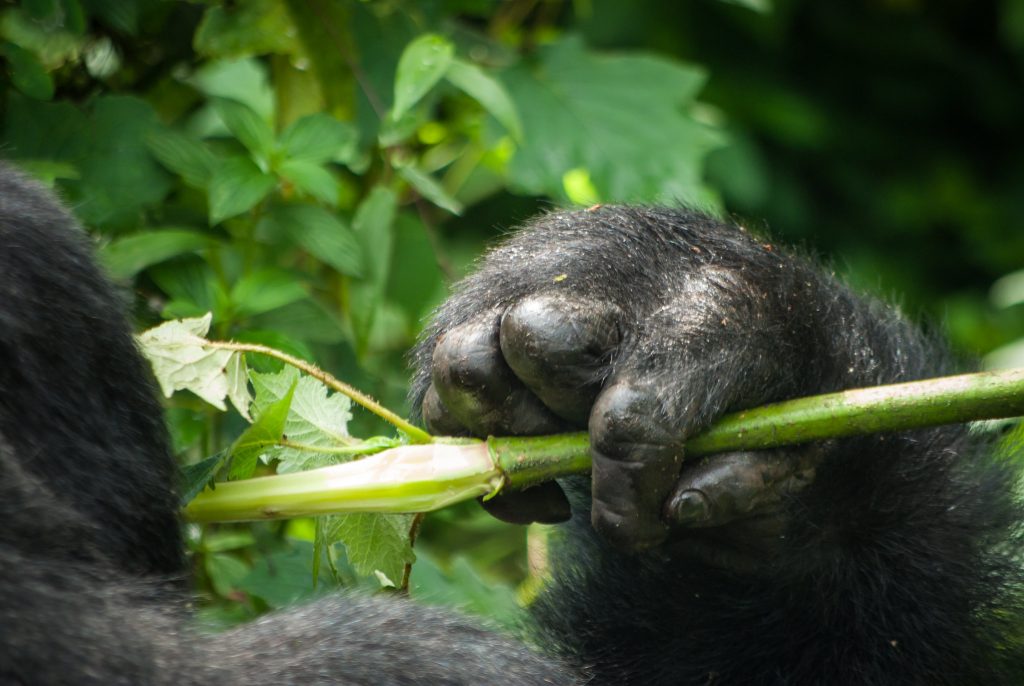
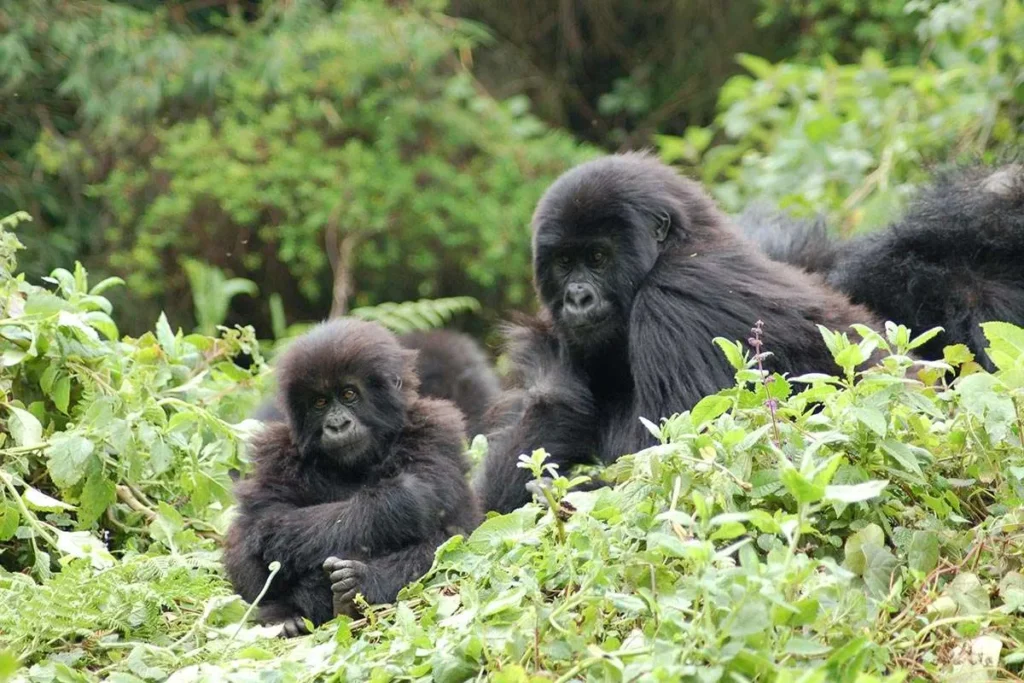
Gorilla trekking is a guided walk through protected rainforest to observe mountain gorillas in their natural habitat. Experienced park rangers track gorilla families daily and lead small visitor groups to their location. Once found, visitors spend a strictly controlled one hour observing the gorillas at close range. The experience is quiet, respectful, and deeply immersive.
Where Does Gorilla Trekking Take Place?
Mountain gorilla trekking takes place in only a few locations worldwide. Rwanda offers trekking in Volcanoes National Park, a lush montane forest at the foothills of the Virunga Mountains. Other trekking destinations exist in Uganda and the Democratic Republic of Congo, but Rwanda remains the most accessible and premium option due to its infrastructure and short travel distances.
How Much Does a Gorilla Trekking Permit Cost?
A Rwanda gorilla trekking permit costs USD 1,500 per person. This fee includes park entry, ranger guidance, security, and conservation contributions. The cost directly supports gorilla protection, habitat preservation, and community development around the park. While the price is high, the conservation impact and experience quality justify the investment for most travelers.
How Far in Advance Should I Book a Permit?
Gorilla trekking permits sell out quickly, especially during peak travel seasons. Travelers should book permits several months in advance, particularly for June to September and December to February. Last-minute permits are rare and unpredictable. Early booking ensures availability and allows better itinerary planning.
How Physically Demanding Is Gorilla Trekking?
Gorilla trekking requires moderate physical fitness. The terrain includes forest trails, muddy slopes, and occasional steep sections. Trek durations vary from one to six hours depending on the gorillas’ location. Rangers adjust pace to suit the group, and porters are available to help carry bags or provide support on difficult sections.
What Is the Minimum Age for Gorilla Trekking?
The minimum age for gorilla trekking is 15 years. This rule exists to protect both visitors and gorillas, as younger children may struggle with the physical demands or illness control measures. Age limits are strictly enforced at the park.
How Close Do You Get to the Gorillas?
Visitors usually observe gorillas from a distance of about seven meters. In practice, gorillas may move closer on their own, as they are habituated to human presence. Visitors must remain calm, avoid sudden movements, and follow ranger instructions at all times to ensure safety and respect.
How Long Can You Spend With the Gorillas?
Each trekking group is allowed exactly one hour with the gorillas. Rangers strictly enforce this rule to minimize stress on the animals. Although the hour passes quickly, the quality of the encounter remains intense and unforgettable.
Is Gorilla Trekking Safe?
Gorilla trekking is very safe when conducted under ranger supervision. Mountain gorillas are gentle and accustomed to human observers. Armed rangers accompany every group as a precaution, and incidents are extremely rare. Visitors who follow instructions experience the trek without risk.
What Rules Must I Follow During Gorilla Trekking?
Visitors must follow strict rules to protect gorillas and their habitat. These rules include maintaining distance, avoiding flash photography, not eating near gorillas, and staying with the group. Visitors with flu or other contagious illnesses are not allowed to trek, as gorillas are highly vulnerable to human diseases.
What Should I Wear for Gorilla Trekking?
Visitors should wear long trousers, long-sleeved shirts, and sturdy hiking boots. Neutral colors work best in the forest environment. Gloves help when gripping vegetation, and a rain jacket is essential due to sudden weather changes. Proper clothing increases comfort and safety throughout the trek.
Can I Take Photos During the Trek?
Photography is allowed during gorilla trekking, but flash photography is prohibited. Visitors can take photos during the one-hour viewing period only. Cameras should be ready before approaching the gorillas to avoid unnecessary movement. Many travelers consider gorilla photography one of the most rewarding aspects of the trek.
What Happens on Gorilla Trekking Day?
Trekking day starts early with a briefing at the park headquarters. Rangers assign groups to specific gorilla families based on fitness and preference when possible. After a short drive to the trailhead, the trek begins. Once the gorillas are found, visitors spend one hour observing before returning to the starting point.
Can I Trek Gorillas More Than Once?
Yes, travelers can trek gorillas more than once as long as they hold valid permits. Many visitors choose to trek on consecutive days to experience different gorilla families or improve photography opportunities. Each trek offers a unique encounter.
What Is the Best Time of Year for Gorilla Trekking?
Gorilla trekking is possible year-round. Dry seasons from June to September and December to February offer easier hiking conditions. Rainy seasons provide greener scenery and fewer visitors, though trails can become muddy. Gorilla sightings remain reliable in all months.
How Does Gorilla Trekking Support Conservation?
Gorilla trekking directly funds conservation efforts. Permit fees support ranger salaries, veterinary care, anti-poaching patrols, and community projects. Local communities benefit from tourism revenue, which encourages long-term protection of gorillas and their habitat.
Final Thoughts on Gorilla Trekking
Gorilla trekking is more than a wildlife activity. It is a deeply emotional experience that connects travelers to conservation, community, and nature in a powerful way. With proper preparation and realistic expectations, gorilla trekking becomes one of the most meaningful journeys you can take in Africa.