Gorilla Photography in Uganda’s Rainforests
Photography during gorilla trekking in Uganda is one of the most rewarding yet technically challenging wildlife photography experiences in Africa. Unlike open savannah safaris, gorilla trekking takes place in dense tropical rainforest environments such as Bwindi Impenetrable National Park and Mgahinga Gorilla National Park. These forests are characterized by low light, thick vegetation, steep terrain, and constantly changing conditions. Capturing compelling images requires not only good equipment but also strong situational awareness, patience, and respect for gorilla behavior and conservation rules.
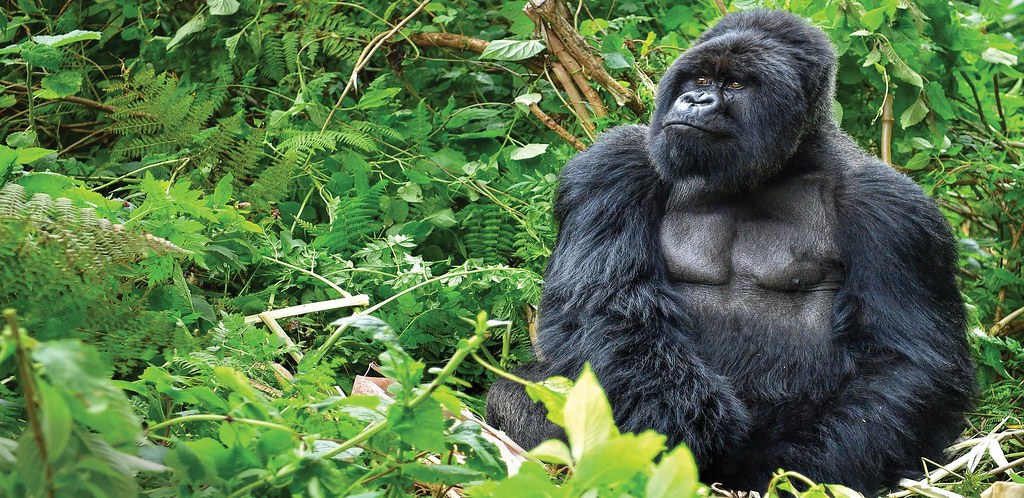
The goal of gorilla photography is not simply to record an encounter but to tell a visual story of emotion, family structure, intelligence, and vulnerability. Uganda’s gorillas often move slowly, interact closely, and show expressive faces, which provides unique opportunities for intimate, powerful images when approached correctly.
Choosing the Right Camera Equipment for Gorilla Trekking
Selecting appropriate photography gear is essential for success in Uganda’s forest conditions. Lightweight and versatile equipment performs best, as long treks through muddy and steep terrain make heavy gear impractical. A DSLR or mirrorless camera with strong low-light performance is ideal, as rainforest canopies significantly reduce available light even during daytime hours.
A mid-range zoom lens is generally the most practical choice for gorilla trekking. Lenses in the moderate telephoto range allow photographers to capture close-up portraits without changing lenses frequently, which is risky in humid environments. Extremely long lenses are rarely necessary because gorillas are often encountered at close range. Weather-sealed equipment is strongly recommended due to frequent rain, mist, and humidity.
Carrying minimal gear in a well-padded, waterproof backpack ensures mobility and reduces fatigue. Lens changes inside the forest should be avoided to prevent moisture and dust from entering the camera body.
Camera Settings for Low-Light Forest Conditions
Rainforest photography requires thoughtful camera settings to balance sharpness, exposure, and noise control. Gorilla movement is often slow, but sudden gestures such as chest beats, climbing, or juveniles playing require fast reaction times.
Using a wide aperture helps maximize available light and creates pleasing background separation, isolating the gorilla from dense foliage. A higher ISO is often unavoidable in forest conditions, and modern cameras handle noise well when exposed correctly. Shutter speed should remain high enough to avoid motion blur, particularly when photographing facial expressions or interactions between individuals.
Shooting in continuous autofocus mode improves accuracy, as gorillas may shift position unexpectedly. Burst shooting can help capture fleeting expressions, but photographers should avoid excessive shutter use to maintain quiet surroundings and respect the wildlife.
Managing Light, Shadows, and Composition in the Forest
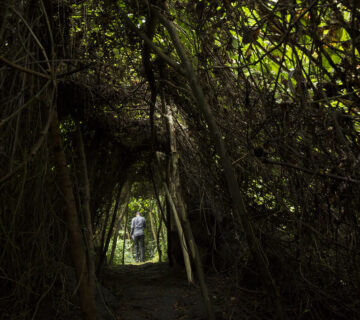
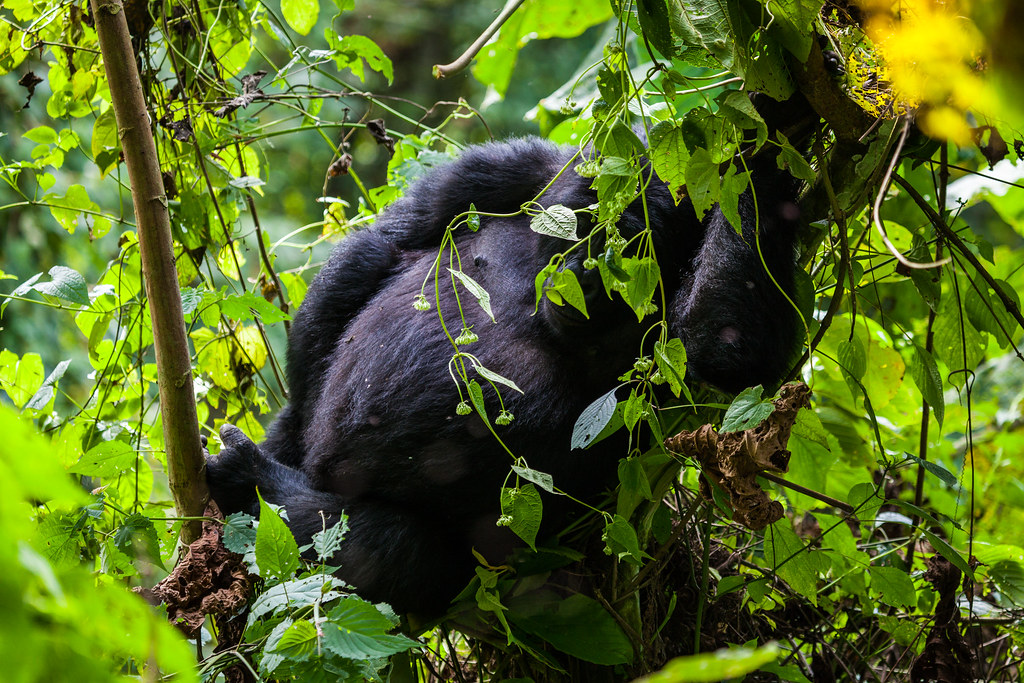
Light in Uganda’s gorilla habitats is uneven and filtered through thick canopy layers. This creates strong contrasts, deep shadows, and occasional bright patches. Photographers must constantly adapt by repositioning themselves rather than relying on flash, which is strictly prohibited during gorilla trekking.
Soft, diffused light often produces the most emotional images, especially when photographing eyes, faces, and mother-and-infant interactions. Positioning yourself at eye level rather than shooting downward enhances intimacy and connection in portraits. Paying attention to background clutter is critical, as vines and branches can easily distract from the subject.
Strong compositions often focus on a single gorilla rather than attempting to capture entire groups. Expressions, hands, eyes, and interactions communicate powerful narratives and work exceptionally well in forest photography.
Ethical Photography and Gorilla Etiquette
Ethical conduct is fundamental when photographing gorillas in Uganda. Mountain gorillas are highly susceptible to human illnesses, and strict rules exist to protect them. Photographers must maintain the required minimum distance at all times, even if gorillas move closer on their own. Flash photography is forbidden, as it can disturb and stress the animals.
Sudden movements, loud noises, and aggressive positioning disrupt both gorillas and the trekking experience for others. Responsible photographers prioritize animal welfare over image capture. Observing behavior calmly and patiently often results in more authentic and meaningful images.
Listening carefully to ranger instructions is essential, as guides understand gorilla behavior and can advise when it is appropriate to move, stop, or lower cameras. Ethical photography enhances conservation outcomes and ensures continued access to these rare encounters.
Preparing Physically and Mentally for Photography on Trekking Day
Photography during gorilla trekking requires physical readiness. Treks can last several hours through uneven terrain, steep slopes, and muddy trails. Fatigue affects concentration, reaction time, and image quality. Wearing proper hiking boots, moisture-wicking clothing, and carrying only essential gear allows photographers to stay focused during the critical moments of the encounter.
Mental preparation is equally important. Gorilla sightings are unpredictable, and conditions vary daily. Successful photographers remain adaptable and patient, understanding that meaningful images come from observation rather than control. Being present in the moment often leads to stronger storytelling than chasing technical perfection.
Best Time of Year for Gorilla Photography in Uganda
Gorilla trekking photography is possible year-round in Uganda, but seasonal differences affect conditions. The drier months, typically from June to September and December to February, offer more stable footing and easier movement through the forest, making it simpler to position for shots. Light conditions remain similar year-round due to forest density, but reduced rain lowers equipment risk.
The wetter months produce lush vegetation, dramatic mist, and deeper greens, which can add atmosphere and mood to photographs. However, photographers must manage slippery trails, heavier cloud cover, and increased humidity. With proper protection and preparation, rainy-season images can be exceptionally cinematic.
Storytelling Through Gorilla Photography
Beyond technical execution, the most compelling gorilla photographs tell stories. Capturing social interactions such as grooming, play, feeding, or moments of rest communicates the complexity of gorilla family life. Observing hierarchy, body language, and emotional expression allows photographers to anticipate moments rather than react late.
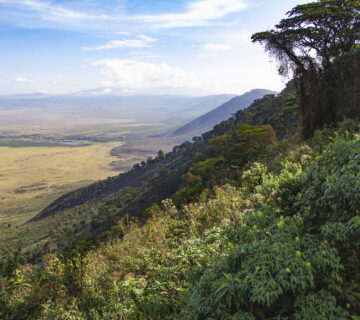
Contextual images that show gorillas within their forest environment add depth to a photographic series. Including surrounding vegetation, mist, or volcanic slopes helps place the subject within its natural world and strengthens conservation messaging.
Conservation Impact of Gorilla Photography
Photography plays a critical role in gorilla conservation. Responsible images raise awareness, inspire protection efforts, and help fund conservation through tourism. Every gorilla trekking permit supports ranger patrols, veterinary monitoring, and community development, making photographers active participants in conservation.
Ethical images that respect distance, behavior, and habitat contribute positively to how gorillas are perceived globally. Uganda’s structured trekking system ensures that photography remains sustainable while allowing visitors to document one of the world’s most endangered species responsibly.