Flying vs Driving on Safari in Kenya: What Works Best?
One of the biggest decisions when planning a Kenya safari is how you move between destinations. Flying and driving both work well, but they create very different safari experiences. The right choice depends on your time, budget, travel style, and expectations. Understanding how each option affects wildlife viewing, comfort, and overall value helps you plan a safari that feels rewarding rather than rushed.
This guide explains the real differences between flying and driving on safari in Kenya and helps you decide what works best for you.
Driving on Safari in Kenya
Driving remains the most common way to experience Kenya’s safari circuits. Most road safaris start in Nairobi and travel to parks such as the Maasai Mara National Reserve, Lake Nakuru National Park, and Amboseli National Park.
A road safari gives you a gradual transition from city to countryside. You see rural Kenya, local markets, farms, and changing landscapes before reaching wildlife areas. This journey builds context and creates a stronger sense of place. Game viewing often starts earlier than expected, especially near park boundaries where wildlife roams freely.
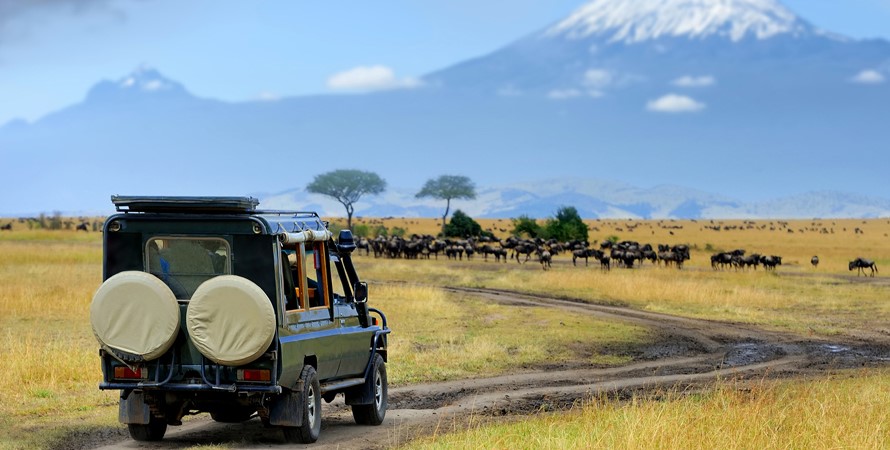
Driving also offers flexibility. You can stop for photos, adjust departure times, and combine multiple parks without relying on flight schedules. For travelers on mid-range or budget safaris, road travel delivers strong value and keeps costs manageable.
The trade-off is time. Long drives can feel tiring, especially on rough roads or during peak traffic hours. Road safaris work best when itineraries remain realistic and do not attempt to cover too many parks in a short period.
Flying on Safari in Kenya
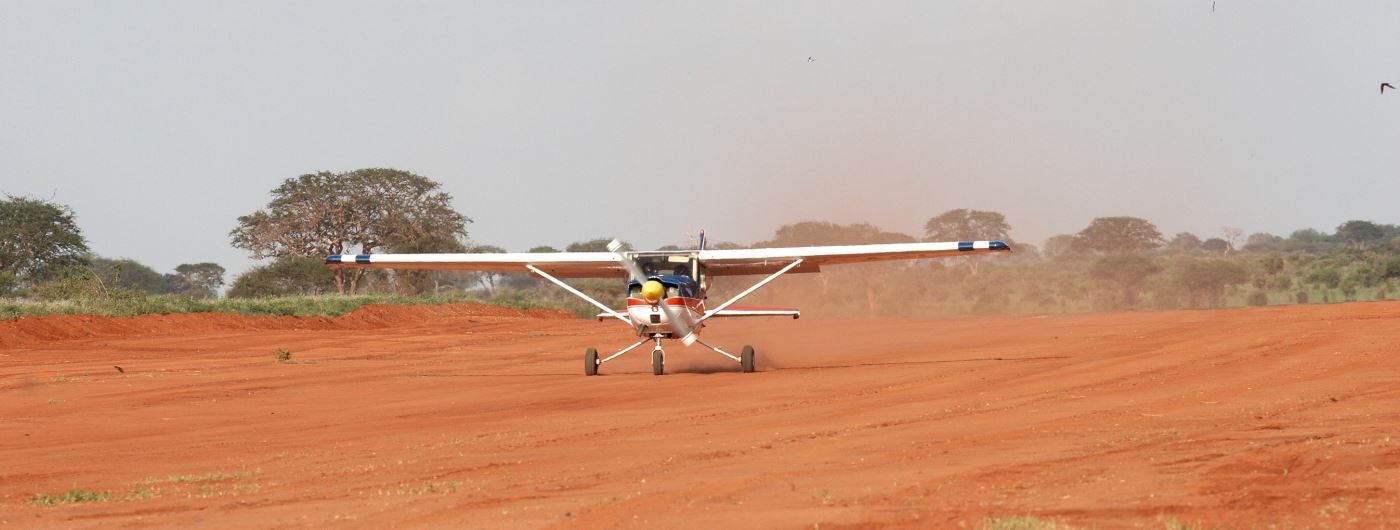
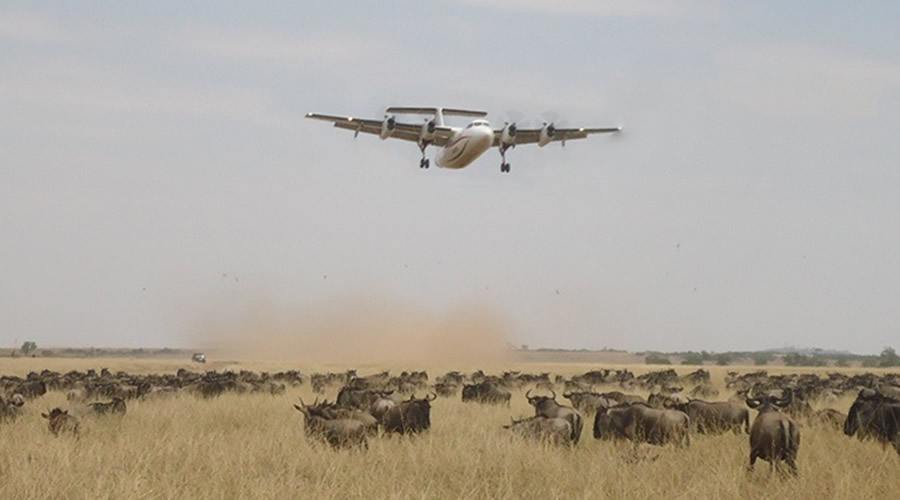
Flying on safari focuses on speed, comfort, and exclusivity. Light aircraft connect Nairobi’s Wilson Airport to remote airstrips across Kenya’s safari regions. This option works particularly well for travelers visiting the Maasai Mara or private conservancies far from major highways.
A fly-in safari minimizes travel fatigue. Instead of spending hours on the road, you reach your lodge in under an hour and often enjoy aerial views of rivers, plains, and wildlife below. This efficiency allows more time for game drives, relaxation, and photography.
Flying also supports access to high-end lodges in remote locations, where road access would take a full day. For luxury travelers, honeymooners, and photographers with limited time, flying offers unmatched convenience.
The main drawback is cost. Internal flights significantly increase safari prices, and luggage restrictions require careful packing. Flying also reduces the chance to see everyday Kenya beyond the parks.
Wildlife Experience: Does Transport Matter?
Wildlife sightings do not depend on whether you fly or drive once you reach the park. Game drives operate the same way, using custom safari vehicles with professional guides. The difference lies in how fresh and focused you feel when you arrive.
Travelers who drive long distances on arrival days may start game drives later or feel fatigued. Fly-in travelers often begin wildlife viewing shortly after landing, which maximizes time in the field.
Time vs Budget Considerations
If time is limited, flying often makes sense. A three- or four-day safari feels far more relaxed when flights replace long road transfers. If budget matters more than speed, driving offers excellent value without sacrificing wildlife quality.
Many travelers choose a hybrid approach. They drive between closer parks and fly back to Nairobi or onward to another region. This balance controls costs while reducing fatigue.
First-Time Safari Travelers: Which Is Better?
First-time visitors often enjoy road safaris because they provide context, gradual immersion, and flexibility. Driving helps travelers understand Kenya beyond wildlife and creates a more rounded experience.
Travelers returning to Kenya or those seeking exclusivity often prefer flying, especially when revisiting familiar parks or targeting specific wildlife events.
Safety and Comfort Factors
Both flying and driving in Kenya are safe when arranged through licensed operators. Road safaris rely heavily on experienced driver-guides who handle navigation, road conditions, and wildlife behavior. Flights operate under strict aviation regulations and use established bush airstrips.
Comfort levels differ, but both options work well when expectations match the chosen travel style.
Final Thoughts: Flying or Driving on Safari in Kenya?
Driving delivers value, flexibility, and a deeper connection to the landscape. Flying offers speed, comfort, and access to remote luxury areas. Neither option is universally better. The best choice depends on how much time you have, how you want to travel, and what you value most from your safari.
A well-planned itinerary can even combine both, giving you the benefits of each without compromise.