Family Safari Costs in Rwanda: What Families Should Expect to Budget
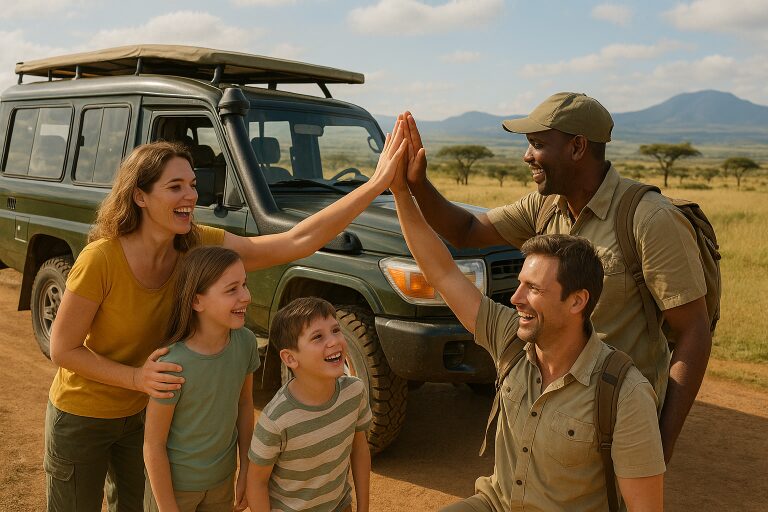
Planning a family safari in Rwanda starts with understanding costs clearly and realistically. Rwanda follows a high-value, low-impact tourism model, which means prices reflect quality, safety, conservation, and comfort rather than mass tourism. For families, this approach works well because it delivers secure environments, reliable logistics, and well-managed experiences that reduce stress when traveling with children or multiple generations.
Why Family Safaris in Rwanda Cost More Than Expected
Rwanda positions itself as a premium safari destination. Visitor numbers are carefully controlled in national parks, infrastructure standards are high, and conservation funding is built directly into tourism pricing. Family safaris also require larger rooms, private vehicles, flexible scheduling, and experienced guides, all of which influence cost. While Rwanda may appear more expensive than some neighboring countries, families receive strong value through safety, short travel distances, and excellent service.
Average Daily Costs for a Family Safari in Rwanda
Family safari costs in Rwanda vary depending on accommodation level and itinerary design. Mid-range family safaris generally range from USD 350 to USD 600 per adult per day, with children often receiving reduced rates depending on age. Luxury family safaris usually range from USD 700 to over USD 1,200 per adult per day. These estimates typically include accommodation, meals, private transport, guide services, and park activities.
Children’s rates depend on lodge policy, room configuration, and age. Younger children often share rooms with parents at lower cost, while teenagers may be charged closer to adult rates.
How Gorilla Trekking Affects Family Safari Costs
Gorilla trekking is the single biggest cost factor for families considering Rwanda. Each gorilla trekking permit costs USD 1,500 per person, and the minimum trekking age is 15 years. For families with teenagers old enough to trek, permits can significantly increase total safari cost. Families with younger children often exclude gorilla trekking and focus on wildlife safaris in Akagera National Park and cultural experiences, which keeps budgets more manageable.
Costs of Family-Friendly Accommodation
Accommodation plays a major role in family safari pricing. Family lodges in Rwanda offer spacious rooms, family cottages, or interconnected units that provide comfort and privacy. Luxury lodges charge higher rates for these larger units, while mid-range lodges offer better value for families. Accommodation costs also include meals, staff support, and on-site activities, which reduces the need for additional spending.
Transport and Guide Costs for Families
Family safaris in Rwanda usually operate with private safari vehicles rather than shared transport. This setup allows flexibility for rest stops, shorter game drives, and adjusted schedules that suit children. Private vehicles and dedicated guides increase overall cost but significantly improve comfort and experience quality for families. Rwanda’s short driving distances help control fuel and time-related expenses.
Park Fees and Activities for Families
National park entry fees are charged per person and contribute to conservation and park management. In Akagera National Park, park fees and activities such as boat safaris are reasonably priced compared to gorilla trekking. These experiences offer excellent value for families because they provide extended wildlife viewing without physical strain.
Cultural visits and community experiences usually add modest costs and deliver strong educational value for children.
Seasonal Price Differences for Family Safaris
Travel season influences family safari costs. Peak dry seasons from June to September and December to February bring higher accommodation rates and increased demand. Shoulder and rainy seasons often offer lower prices and better availability. Families traveling outside school holidays may benefit from reduced rates and quieter parks, making these periods attractive for cost-conscious planning.
Additional Costs Families Should Budget For
Families should plan for additional expenses such as international flights, visas, travel insurance, tips, souvenirs, and optional activities. Travel insurance is especially important for families and adds a small but essential cost. While Rwanda is safe and organized, insurance protects against unexpected disruptions or medical needs.
Is Rwanda Good Value for Family Safaris?
Rwanda delivers strong value for families who prioritize safety, comfort, education, and meaningful experiences. Short distances reduce fatigue for children, high service standards simplify logistics, and conservation-focused tourism creates learning opportunities that resonate across generations. While costs may be higher than budget safari destinations, Rwanda offers peace of mind and quality that many families consider worth the investment.
How Families Can Manage Safari Costs in Rwanda
Families can control costs by choosing mid-range accommodation, limiting gorilla trekking days, traveling during shoulder seasons, and focusing on fewer destinations rather than covering the entire country. Well-planned itineraries reduce unnecessary transfers and allow families to enjoy deeper experiences without added expense.
Working with experienced local planners ensures costs are transparent and aligned with family needs rather than inflated through unnecessary inclusions.
Final Thoughts on Family Safari Costs in Rwanda
Family safaris in Rwanda require thoughtful budgeting, but they reward families with safe, enriching, and well-paced experiences. Understanding cost drivers helps families make informed decisions and design itineraries that balance value and comfort. For families seeking a high-quality African safari that works across ages, Rwanda offers exceptional returns on investment.