Introduction to Family-Friendly Gorilla Trekking Adventures in Uganda
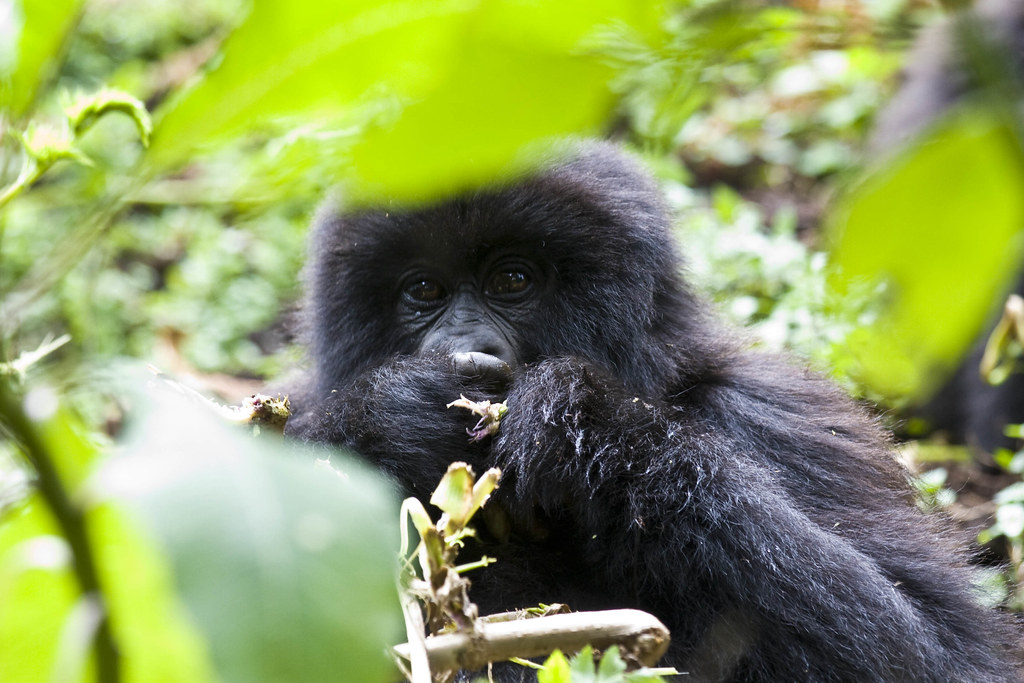
Uganda is one of the world’s premier destinations for family wildlife travel, offering an extraordinary opportunity to encounter endangered mountain gorillas in their ancient rainforest home. Family-friendly gorilla trekking adventures in Uganda are thoughtfully designed to accommodate parents, children, and multi-generational travelers, providing both safety and comfort while delivering one of nature’s most unforgettable experiences.
Gorilla trekking together as a family offers not only wildlife viewing but also educational enrichment, cultural immersion, and shared memories that resonate for a lifetime. With proper planning and the right support, families can enjoy this unique safari with confidence, comfort, and joy.
Why Uganda Is Ideal for Family Gorilla Treks
Uganda’s established infrastructure, reputable park authorities, and experienced local guides make it an excellent choice for family gorilla trekking. The country’s gorilla trekking regulations are designed to protect the health and well-being of both gorillas and visitors, with controlled group sizes, mandatory briefings, and close ranger support.
Families benefit from Uganda’s range of trekking sectors within Bwindi Impenetrable Forest and Mgahinga Gorilla National Park, offering options that vary in terrain and accessibility. This flexibility enables travel planners to match trekking challenges with the ages and abilities of family members.
Age Guidelines and Safety Considerations
Uganda Wildlife Authority (UWA) enforces a minimum age for gorilla trekking, typically set at 15 years old for standard gorilla treks. This age requirement is based on safety protocols, the physical nature of rainforest trekking, and the need to minimize disturbance to gorilla families.
For families with younger children, Uganda offers alternative experiences such as:
Gorilla Habituation Experience (Gorilla Habituation Day):
A specialized experience that allows participants to spend extended time with gorillas undergoing habituation. Some operators provide modified versions of this experience for families with children who might not meet standard trekking age limits. These programs include educational components and close ranger guidance.
Forest Nature Walks and Monkey Tracking:
Guided forest walks in Kibale, Budongo, and other reserves allow families to spot primates such as colobus monkeys, red-tailed monkeys, and chimpanzees in less demanding terrain. These walks are suitable for children of nearly all ages and introduce young travelers to primate behavior and forest ecology.
Community Visits and Cultural Encounters:
Many family safari packages include visits to Batwa communities or local villages that incorporate storytelling, traditional crafts, music, and safe interactive activities that broaden cultural understanding.
Choosing the Right Trekking Sector for Families
Bwindi Impenetrable Forest National Park:
Bwindi offers the richest concentration of habituated gorilla families and multiple trekking sectors (Buhoma, Ruhija, Rushaga, Nkuringo). For families, sectors with easier terrain and shorter treks are generally recommended. Tour operators can advise based on current gorilla movements and the family’s comfort level.
Mgahinga Gorilla National Park:
Smaller and less crowded than Bwindi, Mgahinga can provide a more intimate trekking experience and slightly shorter routes. Its scenic bamboo forests are also home to golden monkeys, adding variety to the family itinerary.
The choice of sector is best made with an experienced Uganda safari planner, who can match the family’s interests and physical capabilities with available gorilla families on the day of the trek.
Itinerary Planning and Logistics for Families
Early Booking of Gorilla Permits:
Gorilla trekking permits are limited and in high demand, especially during school holiday seasons and dry months. Securing permits early (several months in advance) is crucial for family travel dates and preferred sectors.
Transportation and Transfers:
Family-friendly itineraries prioritize comfort and convenience. Road transfer times within Uganda can be long due to terrain, so many families choose private vehicle transfers or regional flights to nearby airstrips when available. This reduces travel fatigue and maximizes rest time.
Accommodation Choices:
Selecting lodges with family-friendly amenities enhances the overall experience. Many lodges near gorilla parks offer spacious cottages or family suites, children’s menus, supervised activities, nature tours, and compassionate staff experienced in working with families.
Preparing for the Trek with Children
Fitness and Physical Readiness:
Rainforest trekking can be physically demanding, involving muddy paths, steep slopes, and variable weather. Families should prepare with appropriate footwear, waterproof clothing, insect repellent, and lightweight daypacks. Trekking poles and gloves provided by lodges or guides can support children’s grip and confidence on uneven ground.
Health Guidelines:
Because gorillas are susceptible to human illnesses, strict health protocols are enforced. Family members should avoid trekking if they have respiratory symptoms or contagious conditions. Travel insurance with medical and evacuation coverage is strongly recommended.
Educational Preparation:
Involving children in pre-trip learning enhances engagement. Family members can explore gorilla behavior, forest ecology, ranger roles, and conservation stories before departure to enrich the trekking experience.
What Families Can Expect on Trekking Day
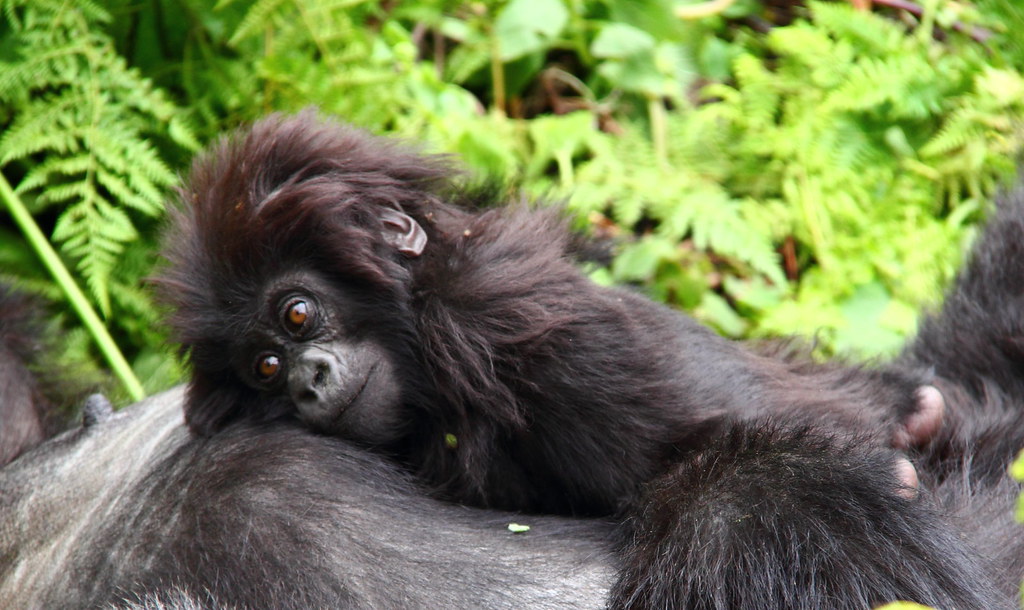
On the morning of the trek, families receive a detailed briefing covering safety measures, etiquette around gorillas, and group procedures. Guides and trackers lead the group at a comfortable pace, tailored to the family’s needs. The actual trek duration varies, but the reward—up to one hour observing gorillas in their natural, peaceful family structure—is profoundly impactful and educational for adults and children alike.
After the trek, many lodges provide restorative meals, hot showers, and storytelling sessions that help families reflect and bond over their experience.
Combining Gorilla Trekking with Other Family Adventures
A family gorilla trekking adventure can be expanded into a broader Uganda wildlife itinerary. Popular additions include:
Chimpanzee Trekking in Kibale Forest:
A remarkable primate encounter suitable for older children and teens, with opportunities to observe chimpanzee groups in tropical forest settings.
Game Safaris in Queen Elizabeth National Park:
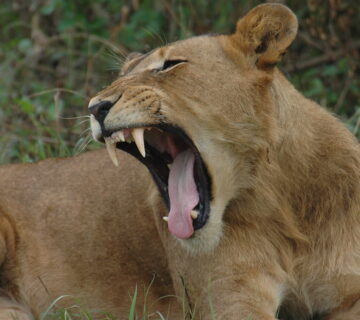
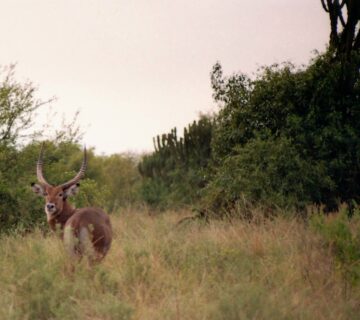
A classic African wildlife experience featuring lions, elephants, hippos, buffalo, and a wealth of birdlife, ideal for mixed-interest family groups.
Boat Cruises on the Kazinga Channel:
Relaxed water safaris that allow families to see hippos and birds up close with minimal exertion.
These combined itineraries provide variety and reduce long stretches of similar activity, keeping family travel engaging and balanced.
Conservation Learning and Family Impact
Family participation in gorilla trekking supports responsible tourism and conservation funding through permit fees that directly benefit gorilla protection, ranger operations, and community development. Children and adults alike gain an appreciation for wildlife stewardship and the importance of protecting vulnerable species.