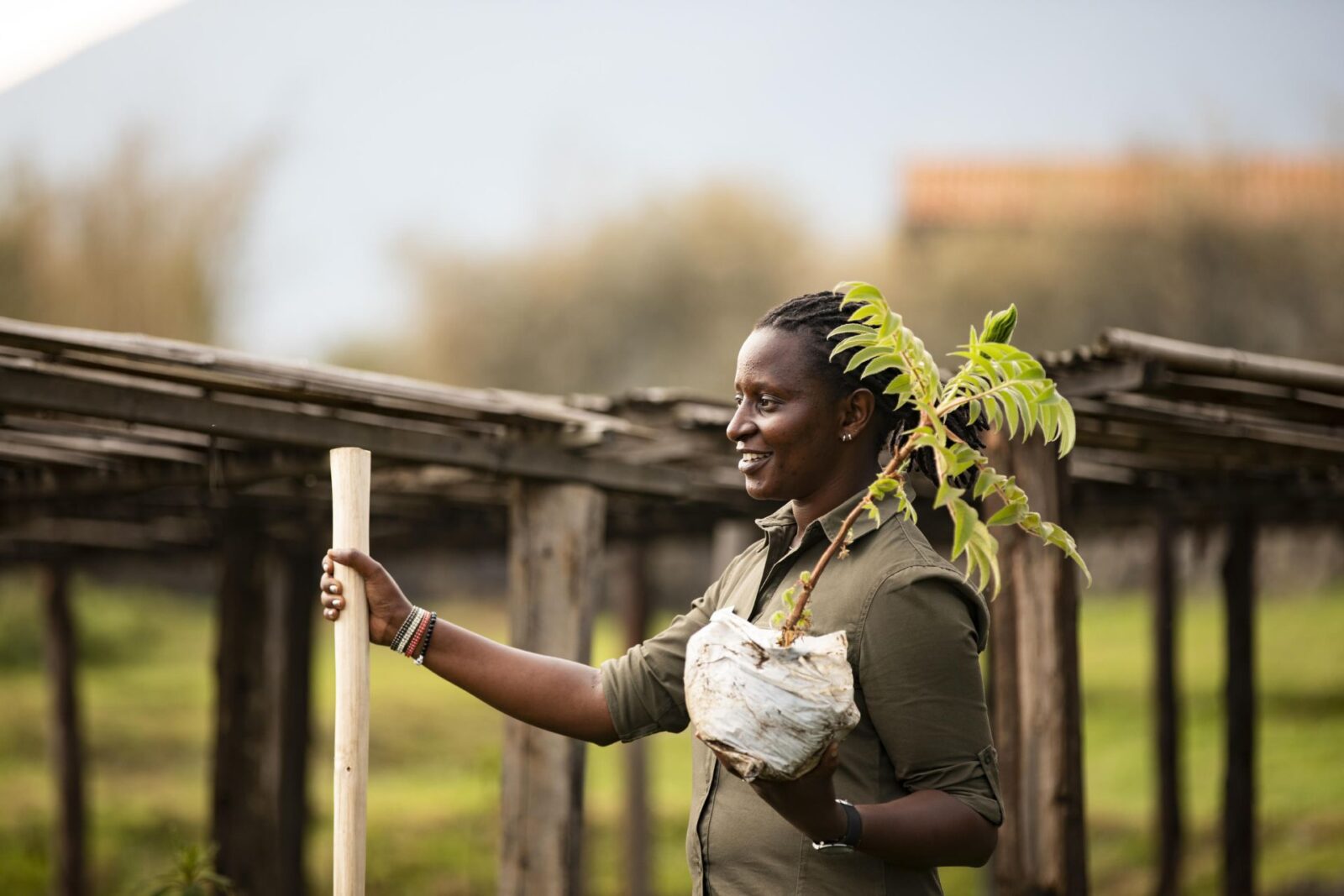
Ethical Cultural Tourism in Rwanda
Ethical cultural tourism in Rwanda is built on respect, community benefit, and long-term sustainability. Rather than observing culture from a distance, visitors engage responsibly with local communities in ways that protect dignity, preserve traditions, and support livelihoods—making Rwanda a leading example of people-centered tourism in Africa.
What Ethical Cultural Tourism Means in Rwanda
In Rwanda, ethical cultural tourism prioritizes community ownership and participation. Experiences are led by local people, profits remain within communities, and cultural practices are shared with consent and pride. Tourism is designed to empower rather than exploit, ensuring that cultural exchange benefits both visitors and hosts.
This approach aligns cultural tourism closely with conservation, education, and social development.
Community-Led Cultural Experiences
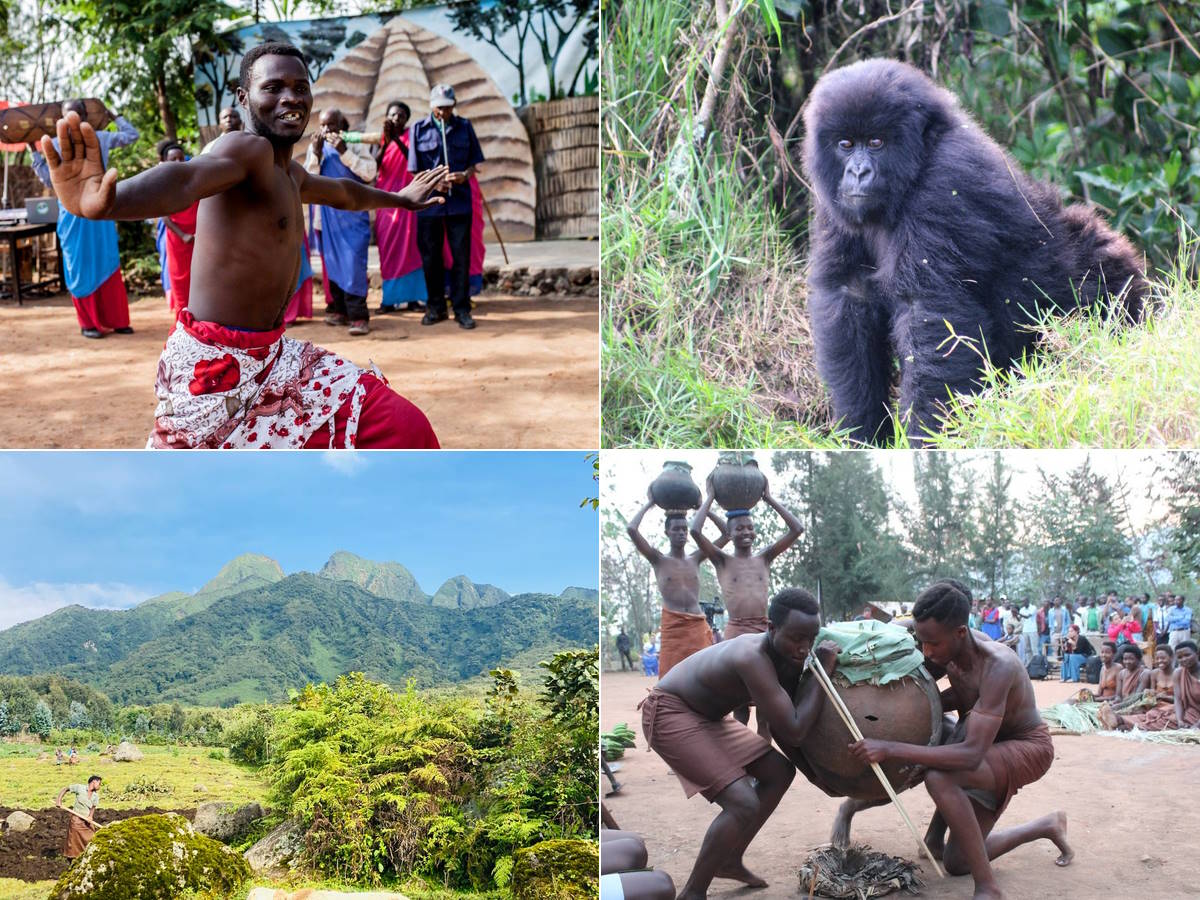
Many of Rwanda’s most respected cultural experiences are community-managed initiatives. The Gorilla Guardians Village and the Iby’Iwacu Cultural Village are leading examples.
Here, former poachers and local residents serve as guides, performers, and educators—sharing traditions while earning sustainable income that reduces pressure on wildlife habitats and strengthens conservation outcomes.
Respectful Cultural Exchange
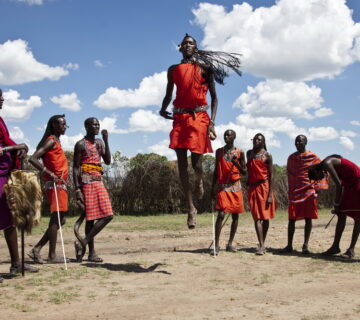
Ethical cultural tourism encourages mutual respect. Visitors are welcomed to participate in dances, crafts, storytelling, and daily activities, but always within clear boundaries defined by the community. Asking permission, listening actively, and avoiding intrusive behavior are core principles.
Culture is presented as living and evolving, not as a performance staged purely for tourism.
Fair Compensation and Local Benefit
A key element of ethical tourism in Rwanda is fair compensation. Entry fees, guiding fees, and craft purchases directly support families, cooperatives, schools, and healthcare projects. Transparent revenue-sharing models ensure that tourism income contributes to measurable community development.
Visitors can clearly see how their participation makes a positive impact.
Ethical Tourism Around National Parks

Ethical cultural tourism is especially strong around Rwanda’s national parks. Communities near Volcanoes National Park benefit from gorilla tourism revenue through cultural visits and employment. Around Nyungwe Forest National Park, forest-edge communities share traditional knowledge while protecting biodiversity. In eastern Rwanda, cultural initiatives near Akagera National Park link pastoral traditions with savannah conservation.
These models show how wildlife protection and cultural preservation work hand in hand.
Avoiding Exploitative Tourism Practices
Rwanda actively discourages exploitative tourism. Experiences that demean communities, involve child exploitation, or misrepresent culture are not supported. Cultural tourism follows national guidelines that emphasize dignity, consent, and accurate representation.
Travelers are encouraged to choose licensed operators and community-approved experiences to ensure ethical standards are upheld.
Role of Guides and Education
Professional guides play a vital role in ethical cultural tourism. They interpret cultural context, manage interactions, and help visitors understand appropriate behavior. Education is central—both for visitors learning about culture and for communities using tourism as a platform to share their stories.
How Travelers Can Practice Ethical Cultural Tourism
Visitors contribute to ethical tourism by respecting customs, dressing modestly, asking before taking photographs, supporting local artisans, and engaging with genuine curiosity. Choosing community-led experiences and avoiding bargaining that undermines fair pricing also matters.
Small actions collectively protect cultural integrity.
Who Ethical Cultural Tourism in Rwanda Is Best For
This form of tourism appeals to responsible travelers, families, educators, conservation-minded visitors, and anyone seeking meaningful connection rather than superficial sightseeing. It suits travelers who value impact, learning, and respect.
Final Insight
Ethical cultural tourism in Rwanda proves that travel can be a force for good. By placing communities at the center, Rwanda protects its cultural heritage while improving lives and supporting conservation. For visitors, this creates deeper, more honest experiences—where cultural exchange is rooted in dignity, trust, and shared benefit.