Emergency Contacts in Rwanda: Essential Numbers Every Traveler Should Know
Knowing emergency contacts before you travel to Rwanda adds an important layer of safety and confidence. Rwanda has a well-organized emergency response system, especially in Kigali and major towns, and authorities respond quickly and professionally. Whether you face a medical issue, security concern, or travel-related emergency, having the right contacts allows you to act without panic or delay.
General Emergency Services in Rwanda
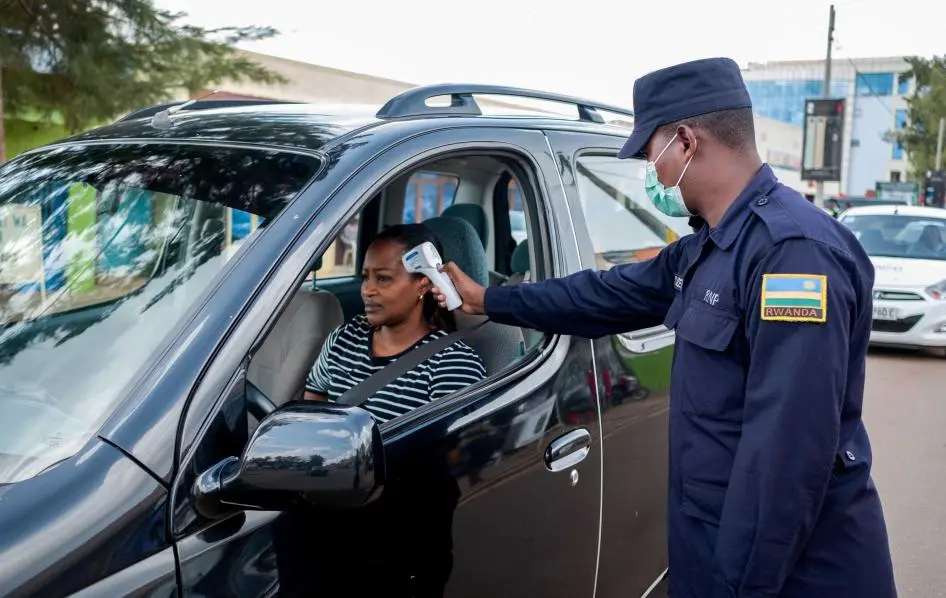
Rwanda operates a centralized emergency response system that covers police, fire, and medical services. Emergency operators communicate clearly and handle incidents efficiently. In urban areas, response times are generally fast, while in rural or national park areas, assistance is coordinated through local authorities and park management.
The main national emergency number in Rwanda is 112. This number connects callers to police, ambulance, and fire services. Travelers should save this number on their phones immediately upon arrival.
Police Emergency Contacts
The Rwanda National Police maintain a strong presence across the country. Police officers are professional, approachable, and accustomed to assisting tourists. Travelers should contact the police in cases of theft, accidents, harassment, or lost travel documents.
Emergency police assistance is reached through 112. Police stations operate in all major towns, and officers often patrol tourist areas, city centers, and highways.
Medical Emergencies and Ambulance Services
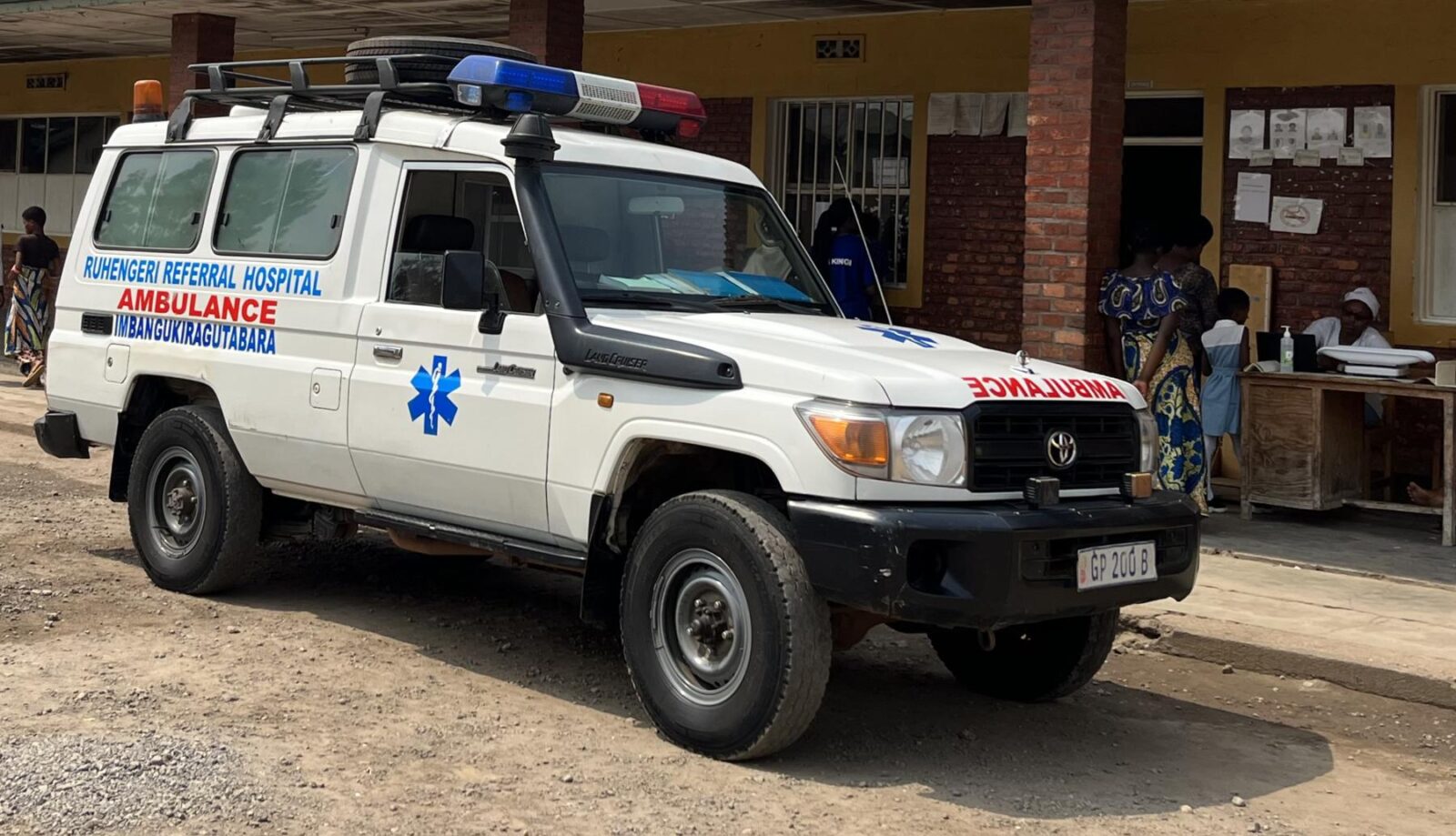
Medical emergencies in Rwanda are handled through public and private services. Kigali has well-equipped hospitals and private clinics that cater to international travelers. Ambulance response in the capital is reliable, while rural responses may involve coordination through local facilities or tour operators.
For medical emergencies, travelers should call 112 to request an ambulance. Safari lodges and hotels also assist with emergency transport and communication, especially in national park regions.
Fire and Rescue Services
Fire emergencies are managed by Rwanda’s national fire and rescue units. These services operate mainly in urban areas and industrial zones but respond to incidents nationwide when required. Fire response is coordinated through the national emergency system.
Fire emergencies should be reported via 112. Travelers should follow hotel or lodge evacuation instructions and avoid attempting to manage fires themselves.
Emergency Contacts in National Parks
In Rwanda’s national parks, emergency response is handled by park authorities and rangers. Gorilla trekking, chimpanzee tracking, and game drives all operate under strict supervision. Rangers carry communication equipment and coordinate directly with security and medical teams when needed.
Travelers should always report emergencies in parks to their guide or ranger first. Lodges near parks maintain direct contact with park headquarters and emergency services.
Hospital and Medical Support for Travelers
Kigali hosts several private hospitals and international-standard clinics that treat tourists regularly. These facilities handle most medical needs, from minor illness to emergencies. Outside Kigali, medical facilities are more limited, and serious cases may require transfer to the capital.
Travel insurance with medical evacuation coverage is essential. Hotels, lodges, and tour operators assist travelers in contacting hospitals and arranging care.
Embassy and Consular Assistance
Travelers facing serious issues such as passport loss, legal problems, or major medical emergencies may need to contact their embassy or consulate. Most foreign embassies are based in Kigali or represented through regional missions. Embassies provide document replacement, consular advice, and coordination support during emergencies.
Travelers should note their embassy contact details before arrival and keep copies of passports and visas stored separately.
Roadside and Vehicle Emergencies
In case of road accidents or vehicle breakdowns, travelers should first ensure personal safety and then contact emergency services if injuries are involved. Police manage road accidents professionally and document incidents efficiently.
Self-drive travelers should also contact their car rental provider, as most companies offer roadside assistance. Guided safari travelers should inform their driver or tour operator immediately.
Emergency Contacts Provided by Hotels and Lodges
Hotels and safari lodges in Rwanda provide internal emergency contacts at reception or in guest information folders. Staff are trained to respond quickly and coordinate with authorities. Travelers should familiarize themselves with these procedures upon check-in.
How to Prepare for Emergencies Before Traveling
Travelers should save emergency numbers in their phones, carry printed copies, and share itineraries with trusted contacts. Keeping travel insurance details accessible helps speed up assistance. Knowing where the nearest hospital or police station is located adds extra reassurance.
Final Advice on Emergency Preparedness in Rwanda
Rwanda is a safe and well-managed destination, but preparation remains essential. Emergency services operate efficiently, and help is readily available when needed. With the right contacts saved and basic awareness in place, travelers can explore Rwanda with confidence and peace of mind.