Eco-Tourism Attractions in Uganda: Sustainable Travel in the Pearl of Africa
Uganda is one of Africa’s leading eco-tourism destinations, offering travelers an opportunity to experience pristine nature while supporting conservation and local communities. Known as the Pearl of Africa, the country’s diverse ecosystems range from tropical rainforests and savannahs to wetlands, mountains, and freshwater lakes. Eco-tourism in Uganda focuses on low-impact travel, wildlife protection, cultural preservation, and community empowerment, making it ideal for travelers seeking meaningful and responsible experiences.
Bwindi Impenetrable Forest National Park
Bwindi Impenetrable Forest is Uganda’s flagship eco-tourism destination and a global conservation success story. This ancient rainforest is home to nearly half of the world’s remaining mountain gorillas, and gorilla trekking here is conducted under strict regulations to minimize environmental impact. Visitor numbers are limited, trekking groups are small, and a significant portion of tourism revenue supports forest conservation and surrounding communities.
Beyond gorilla trekking, Bwindi offers guided forest walks, birdwatching, and community-based tourism experiences such as the Batwa Cultural Experience. These initiatives ensure that indigenous knowledge and livelihoods are preserved while protecting the forest ecosystem.
Kibale Forest National Park
Kibale Forest National Park is a model of sustainable primate conservation and eco-tourism. Famous for chimpanzee trekking, the park also protects one of the highest concentrations of primates in Africa. Eco-tourism activities here emphasize education, conservation awareness, and minimal environmental disturbance.
Nature walks through Bigodi Wetland Sanctuary, a community-managed conservation area near Kibale, allow visitors to observe birds, monkeys, and wetland ecosystems while directly supporting local livelihoods. Revenue from tourism contributes to schools, healthcare, and conservation programs.
Queen Elizabeth National Park
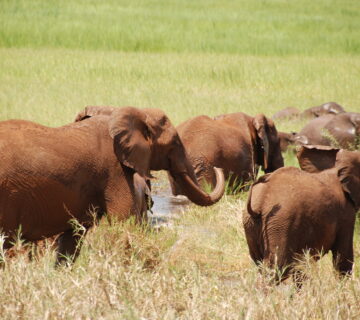
Queen Elizabeth National Park demonstrates how wildlife conservation and eco-tourism can coexist with local communities. The park’s diverse habitats include savannahs, wetlands, crater lakes, and forests, supporting elephants, lions, buffaloes, hippos, and a wide variety of bird species.
Eco-friendly activities such as guided game drives, the Kazinga Channel boat cruise, and nature walks promote responsible wildlife viewing. Community tourism projects around the park offer cultural encounters, craft experiences, and storytelling that deepen visitors’ understanding of human-wildlife coexistence.
Murchison Falls National Park
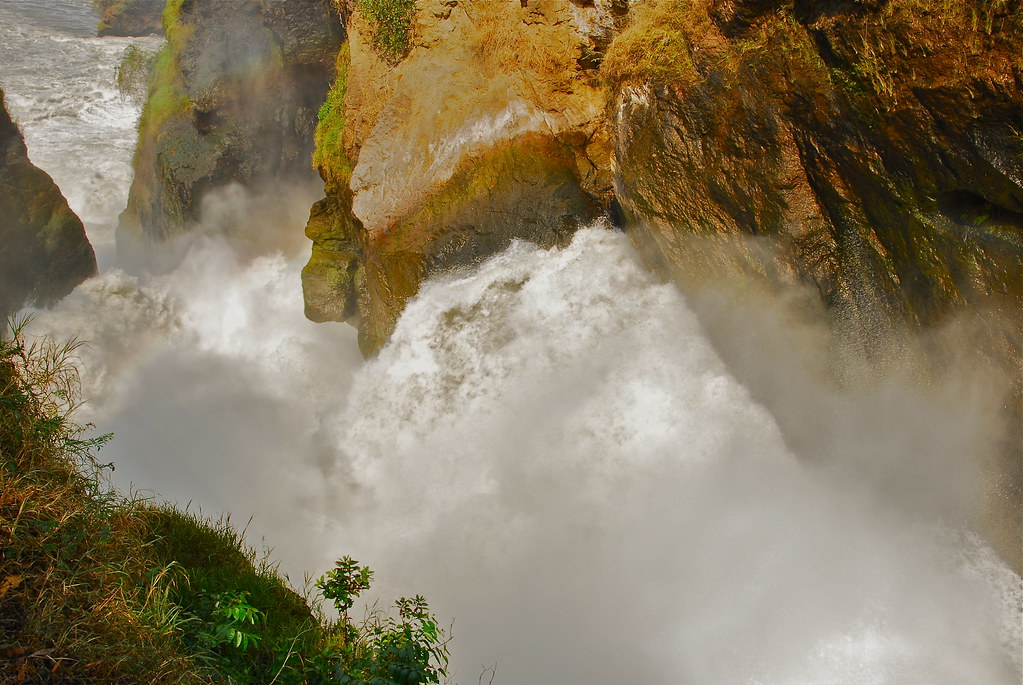
Murchison Falls National Park combines dramatic landscapes with sustainable tourism practices. The powerful Nile River forces its way through a narrow gorge before plunging into the falls, creating one of Africa’s most iconic natural attractions.
Eco-tourism experiences include boat cruises to the base of the falls, guided hikes to viewpoints, and responsible game viewing across the park’s savannahs. Conservation initiatives focus on protecting endangered species and maintaining riverine ecosystems, with tourism revenue funding anti-poaching and habitat restoration.
Rwenzori Mountains National Park
The Rwenzori Mountains, also known as the Mountains of the Moon, offer one of Africa’s most unique eco-tourism experiences. This UNESCO World Heritage Site is characterized by alpine vegetation, glacial peaks, and rare flora found nowhere else on the continent.
Eco-tourism in the Rwenzoris centers on guided trekking with strict environmental guidelines to protect fragile ecosystems. Porters and guides are hired from local communities, ensuring economic benefits while promoting conservation awareness and sustainable mountain tourism.

Lake Bunyonyi and Lake Mutanda
Lake Bunyonyi and Lake Mutanda are exemplary eco-tourism destinations focused on tranquility, conservation, and community engagement. These scenic lakes, surrounded by terraced hills and volcanic landscapes, offer canoeing, birdwatching, nature walks, and cultural visits.
Eco-lodges around the lakes emphasize renewable energy, waste reduction, and community partnerships. Visitors experience low-impact activities that protect aquatic ecosystems while supporting local farmers, fishermen, and artisans.
Semuliki National Park
Semuliki National Park showcases Uganda’s lowland tropical forest ecosystem and its connection to the Congo Basin. Eco-tourism here focuses on biodiversity conservation, birdwatching, guided forest walks, and visits to the park’s natural hot springs.
The park supports eco-friendly tourism initiatives that engage local communities in conservation while educating visitors about rare plant species, primates, and forest ecology.
Community-Based Eco-Tourism Initiatives
Uganda’s eco-tourism success is deeply rooted in community involvement. Across the country, community conservancies, cultural tourism projects, and locally managed nature reserves empower residents to protect natural resources while benefiting economically.
These initiatives include village walks, cultural performances, craft markets, and homestays, allowing travelers to experience authentic Ugandan life while contributing directly to conservation and development.
Responsible Travel and Conservation Impact
Eco-tourism in Uganda emphasizes responsible travel practices that minimize environmental impact and maximize conservation benefits. Visitors are encouraged to follow park guidelines, respect wildlife, reduce waste, and support eco-lodges and community projects. Tourism revenue plays a critical role in protecting endangered species, preserving habitats, and funding education and healthcare in rural areas.
Eco-tourism attractions in Uganda offer travelers an opportunity to experience nature responsibly while making a positive impact. From gorilla conservation in Bwindi and primate tracking in Kibale to mountain trekking in the Rwenzoris and serene lake experiences in southwestern Uganda, eco-tourism in the Pearl of Africa combines adventure, education, and sustainability. For travelers seeking meaningful, low-impact, and conservation-focused journeys, Uganda stands out as one of Africa’s most rewarding eco-tourism destinations.