Eco-Lodges Near Mgahinga National Park
Mgahinga Gorilla National Park is Uganda’s smallest yet one of its most dramatic national parks, defined by soaring volcanic peaks, bamboo forests, and rare mountain wildlife. Travelers who choose to stay in eco-lodges near Mgahinga are not only positioning themselves perfectly for gorilla trekking and golden monkey tracking, but are also embracing responsible tourism that prioritizes conservation, community well-being, and low-impact travel. Eco-lodges in this region blend seamlessly into the volcanic landscape, offering authentic comfort while preserving the fragile mountain ecosystem.
The Eco-Tourism Ethos Around Mgahinga
Eco-lodges near Mgahinga National Park are built around sustainability, cultural respect, and environmental stewardship. These lodges are designed to minimize ecological footprints through the use of local materials such as stone, timber, and thatch, while incorporating renewable energy solutions like solar power and rainwater harvesting. Waste reduction, organic gardening, and wildlife-sensitive construction are core principles rather than optional features.
Staying at an eco-lodge near Mgahinga allows travelers to directly support conservation initiatives and community livelihoods. Many lodges are community-owned or operate in partnership with local cooperatives, ensuring tourism revenue contributes to education, healthcare, and habitat protection in the surrounding villages.
Location and Landscape: Living Among Volcanoes
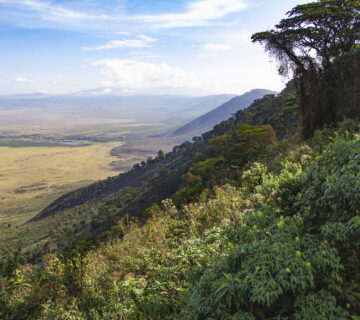
Eco-lodges near Mgahinga are uniquely positioned within the Virunga volcanic landscape, offering breathtaking views of Mount Muhabura, Mount Gahinga, and Mount Sabyinyo. Morning light often reveals mist drifting across bamboo forests, while evenings bring crisp mountain air and star-filled skies. This dramatic setting creates a sense of seclusion and intimacy that distinguishes Mgahinga from larger gorilla trekking destinations.
Most eco-lodges are located within short driving distance of the park headquarters at Ntebeko, allowing easy access to gorilla trekking briefings, golden monkey tracking, and volcano hiking trails. This proximity reduces vehicle use and enhances the overall sustainability of the safari experience.
Accommodation Style and Eco-Conscious Design
Accommodation at eco-lodges near Mgahinga emphasizes natural aesthetics, comfort, and harmony with the environment. Guest cottages are often stone-built or timber-framed, with thick walls that retain warmth in the cool highland climate. Interiors are simple yet inviting, featuring handcrafted furniture, locally woven textiles, and fireplaces or wood-burning stoves for chilly evenings.
Large windows, verandas, and open communal spaces are designed to frame volcanic views and encourage connection with the surrounding landscape. Instead of luxury excess, these lodges focus on meaningful comfort that enhances rest and recovery after physically demanding activities such as gorilla trekking and volcano hikes.
Gorilla Trekking and Primate Experiences from Eco-Lodges
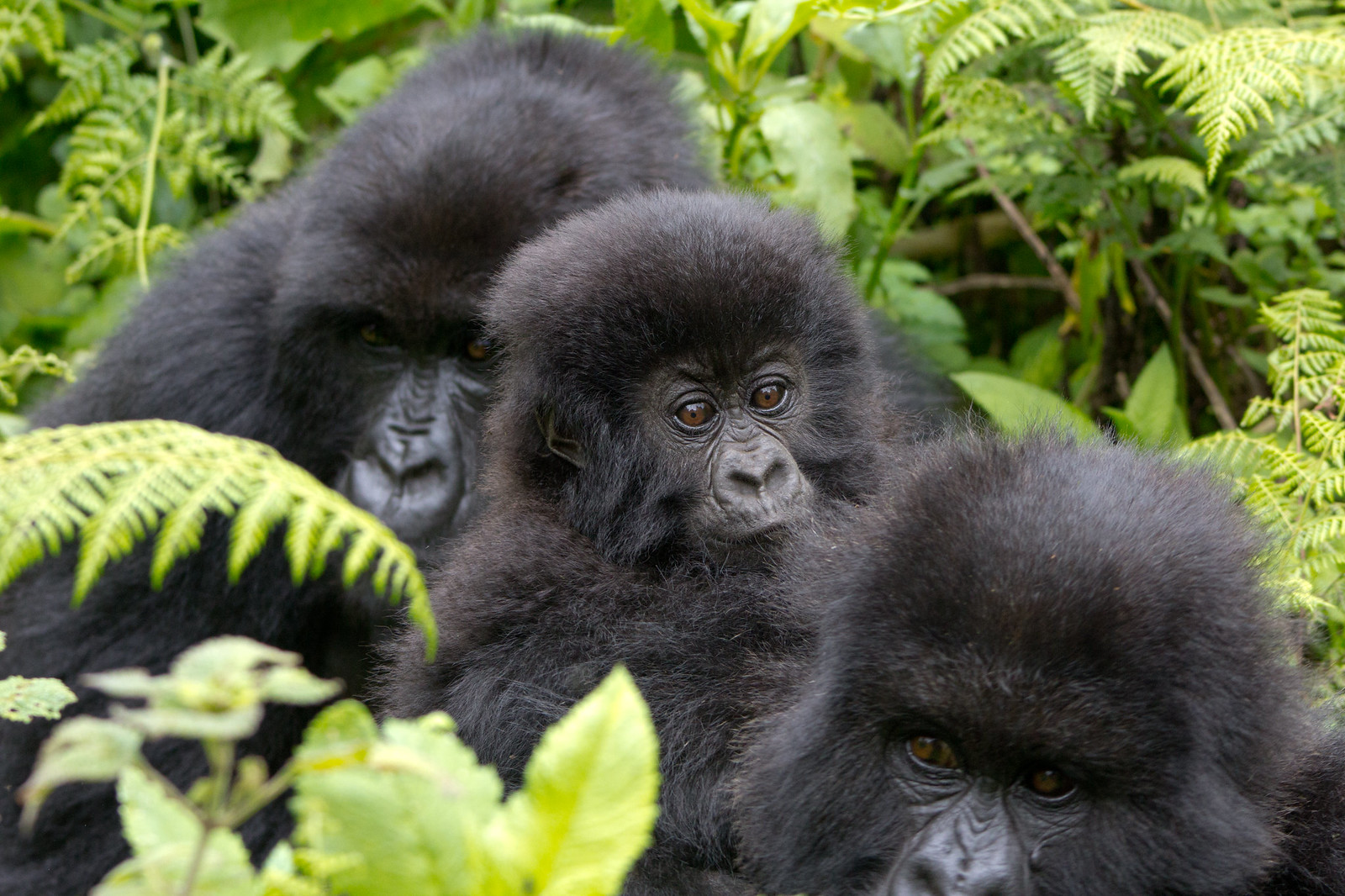
Eco-lodges near Mgahinga provide seamless access to some of Uganda’s most intimate primate experiences. Mgahinga is home to one habituated mountain gorilla family, making trekking here quieter and more personal compared to busier parks. Guests staying at nearby eco-lodges benefit from early access to briefings and a relaxed start to their trekking day.
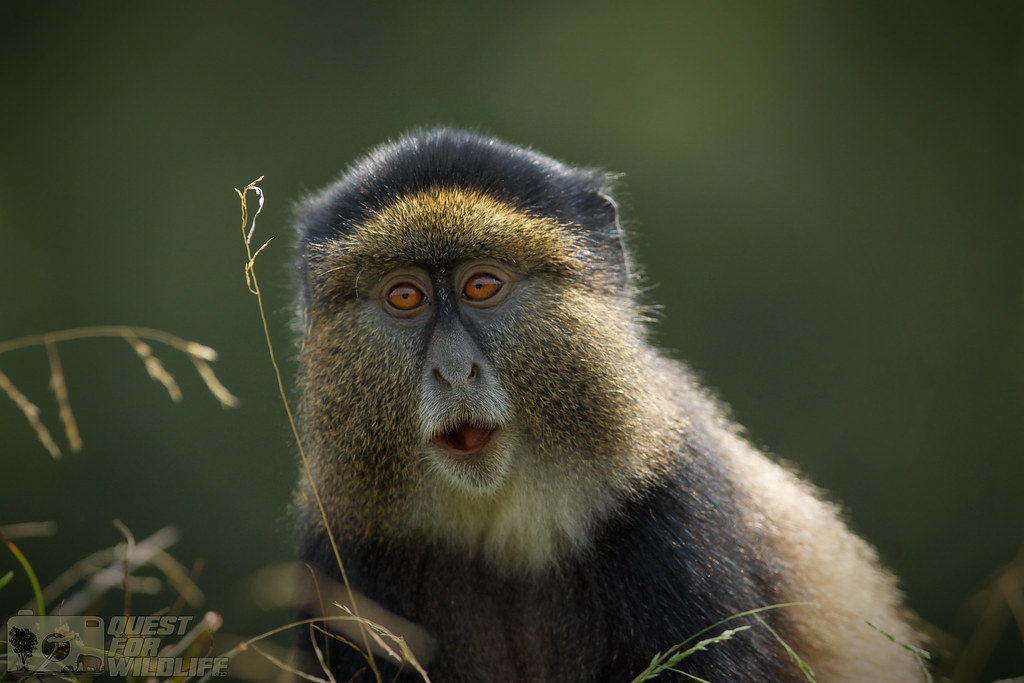
In addition to gorilla trekking, golden monkey tracking is a major highlight of Mgahinga. Eco-lodges often arrange guided experiences with knowledgeable local guides who explain the ecological importance of bamboo forests and the role these endangered primates play in the ecosystem. Nature walks, birding excursions, and guided hikes through buffer zones further enrich the primate-focused safari experience.
Dining Experiences Rooted in Local Produce
Dining at eco-lodges near Mgahinga reflects the agricultural richness of southwestern Uganda. Meals are prepared using fresh, locally sourced ingredients, including Irish potatoes, vegetables, beans, and herbs grown in nearby highland farms. Traditional Ugandan dishes are often featured alongside simple international options, ensuring nourishment and comfort after long days in the field.
Many eco-lodges operate kitchen gardens and emphasize seasonal menus, reducing food miles and supporting sustainable farming practices. Dining areas are warm and communal, often centered around fireplaces where guests share trekking stories and cultural insights in the evenings.
Community and Cultural Engagement
A defining feature of eco-lodges near Mgahinga National Park is their strong connection to local communities. Many lodges employ staff from neighboring villages and actively support cultural tourism initiatives. Guests may participate in Batwa cultural experiences, where former forest dwellers share traditional knowledge, music, and stories that illuminate the human history of the Virunga region.
Village walks, craft workshops, and community visits provide opportunities for meaningful interaction and cultural exchange. These experiences not only enrich the traveler’s journey but also ensure that conservation and tourism benefits are shared equitably.
Sustainability and Conservation Impact
Eco-lodges around Mgahinga play a critical role in conservation by promoting responsible tourism and environmental education. Through partnerships with park authorities and conservation organizations, many lodges support gorilla monitoring, habitat restoration, and anti-poaching initiatives. Guests are often invited to learn about these efforts, gaining deeper appreciation for the delicate balance between tourism and wildlife protection.
By choosing eco-lodges, travelers help reduce pressure on natural resources while encouraging sustainable land use and long-term conservation planning in one of Uganda’s most sensitive ecosystems.
Who Should Choose Eco-Lodges Near Mgahinga
Eco-lodges near Mgahinga National Park are ideal for travelers who value sustainability, tranquility, and authentic wilderness experiences. They appeal particularly to environmentally conscious travelers, photographers, hikers, birdwatchers, and those seeking quieter gorilla trekking alternatives. These lodges are also well-suited for travelers interested in cultural immersion and meaningful community engagement rather than mass tourism.