Drinking Water in Rwanda: What Travelers Should Know
Access to safe drinking water is a common concern for travelers, especially those visiting Africa for the first time. Rwanda has made major investments in water treatment and sanitation, yet drinking water safety for visitors still requires informed choices. This guide explains clearly what water is safe to drink in Rwanda, where to get it, and how to stay healthy throughout your trip.
Is Drinking Water in Rwanda Safe?
Water in Rwanda is treated and safe for local consumption, but visitors should not drink tap water directly. Travelers’ digestive systems are often sensitive to unfamiliar bacteria, even when water meets local safety standards. For this reason, bottled or properly filtered water is recommended for all visitors, including in cities and rural areas.
Can Tourists Drink Tap Water in Rwanda?
Tourists should avoid drinking tap water in Rwanda. Although the water undergoes treatment, differences in mineral content and microorganisms can cause stomach upset for visitors. Tap water is safe for brushing teeth and washing, but bottled or filtered water should be used for drinking at all times.
Is Bottled Water Easily Available in Rwanda?
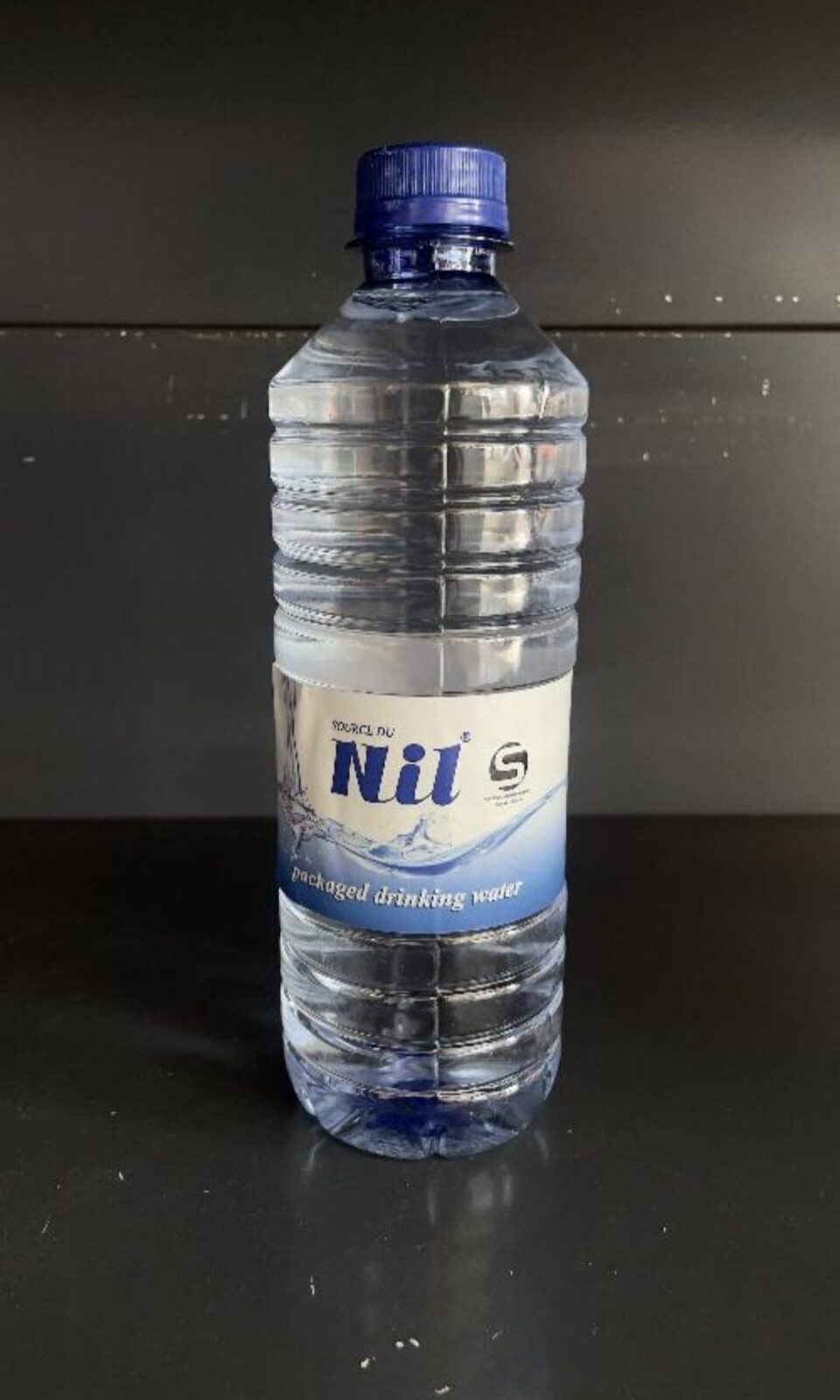
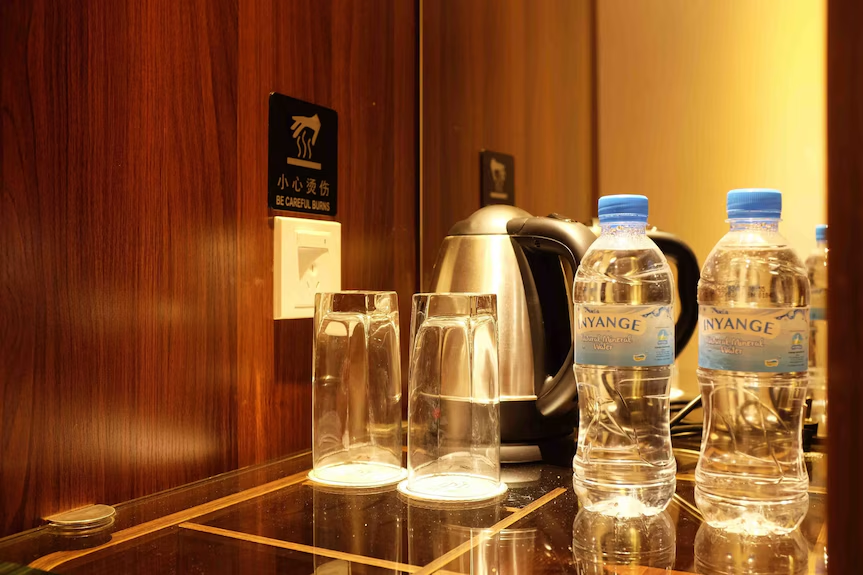
Bottled water is widely available across Rwanda. Hotels, safari lodges, restaurants, supermarkets, and roadside shops stock sealed bottled water. Availability remains reliable even in remote safari areas. Most lodges provide complimentary bottled or filtered water in rooms and dining areas.
Do Safari Lodges Provide Safe Drinking Water?
Safari lodges in Rwanda provide safe drinking water as a standard service. Many lodges now use filtered and purified water systems rather than disposable plastic bottles. Guests receive refillable bottles and access to clean water stations. This approach ensures safety while supporting Rwanda’s environmental policies.
Is Ice Made from Safe Water?
Ice served in hotels, lodges, and reputable restaurants is generally made from treated or filtered water and is safe to consume. In small local eateries, travelers may prefer to avoid ice unless confident about water sources. Ordering drinks without ice remains a simple precaution in informal settings.
What About Drinking Water During Gorilla Trekking and Safaris?
During gorilla trekking and long safari days, travelers should carry enough drinking water. Lodges usually provide packed water bottles or refillable containers for excursions. Drinking regularly prevents dehydration, especially during hikes at altitude or warm game drives in Akagera National Park.
Can I Use Water Purification Tablets or Filters?
Water purification tablets and portable filters work well in Rwanda and offer an extra layer of protection. These options are useful for travelers visiting very remote areas or those who prefer additional safety measures. However, they are not strictly necessary when bottled or lodge-filtered water is readily available.
Is It Safe to Drink Water in Restaurants and Cafés?
Reputable restaurants and cafés in Kigali and major towns use safe water sources for cooking and beverages. Drinking water served at the table is usually bottled or filtered. Travelers should still confirm when unsure, especially in smaller local establishments.
How Does Rwanda’s Plastic Bag Ban Affect Water Use?
Rwanda strictly enforces a ban on plastic bags to protect the environment. This policy has encouraged many lodges and hotels to adopt refillable water bottle systems. Travelers should embrace this system and carry reusable bottles, which are widely supported across the country.
Are Children and Older Travelers More at Risk?
Children and older travelers are more sensitive to dehydration and stomach issues. Ensuring regular intake of safe drinking water is especially important for these groups. Parents and caregivers should monitor hydration closely and avoid all tap water consumption for drinking.
What Are the Signs of Dehydration to Watch For?
Common signs of dehydration include fatigue, dizziness, headache, and dark urine. Rwanda’s altitude and physical activities such as trekking increase fluid needs. Drinking water consistently throughout the day helps prevent these symptoms and maintains energy levels.
What Should I Do If I Get a Stomach Upset?
Mild stomach upset can occur even with precautions. Travelers should rest, hydrate with safe water, and use oral rehydration salts if needed. If symptoms persist or worsen, medical facilities in Kigali and major towns provide reliable care. Travel insurance ensures access to treatment if required.
Final Advice on Drinking Water in Rwanda
Drinking water safety in Rwanda is easy to manage with simple precautions. Avoid tap water for drinking, rely on bottled or filtered water, and stay hydrated throughout your journey. With these practices, water concerns quickly fade, allowing you to enjoy Rwanda’s landscapes, wildlife, and culture comfortably.