Cycling Safaris in Uganda’s National Parks
Active Exploration in Uganda
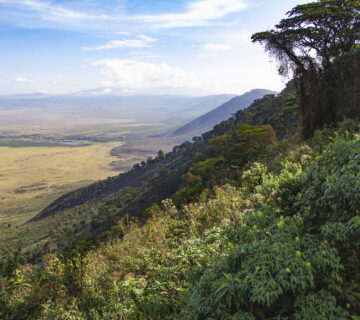
Uganda’s national parks are known for their diverse wildlife, stunning landscapes, and abundant birdlife. For adventure travelers seeking a more active and intimate way to explore these natural wonders, cycling safaris offer an exciting alternative to traditional game drives. These safaris allow visitors to move quietly through the park, access off-road trails, and experience the environment at a slower pace, bringing them closer to wildlife, flora, and local communities. Cycling safaris are available in parks such as Murchison Falls, Queen Elizabeth, and Lake Mburo, combining adventure, exercise, and wildlife observation into a unique safari experience.
The Cycling Safari Experience
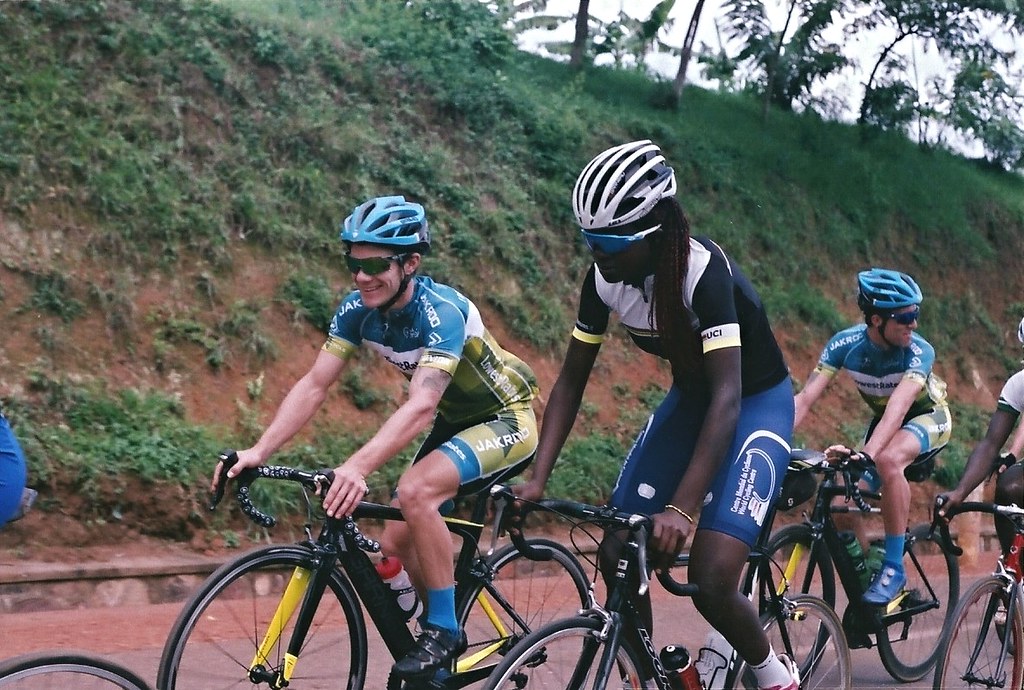
Cycling safaris are typically guided by experienced guides and rangers who provide insights into animal behavior, ecosystem dynamics, and conservation efforts. Bicycles suitable for off-road terrain are provided, along with safety equipment such as helmets and reflective gear. Routes are designed to balance wildlife viewing with physical exertion, allowing cyclists to experience the park’s landscapes safely while observing animals from a respectful distance.
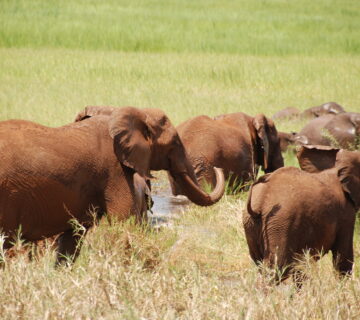
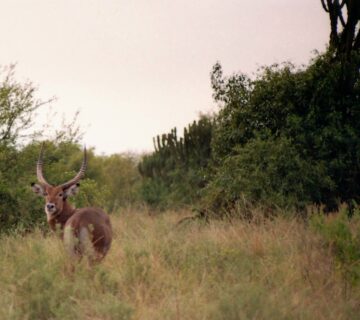
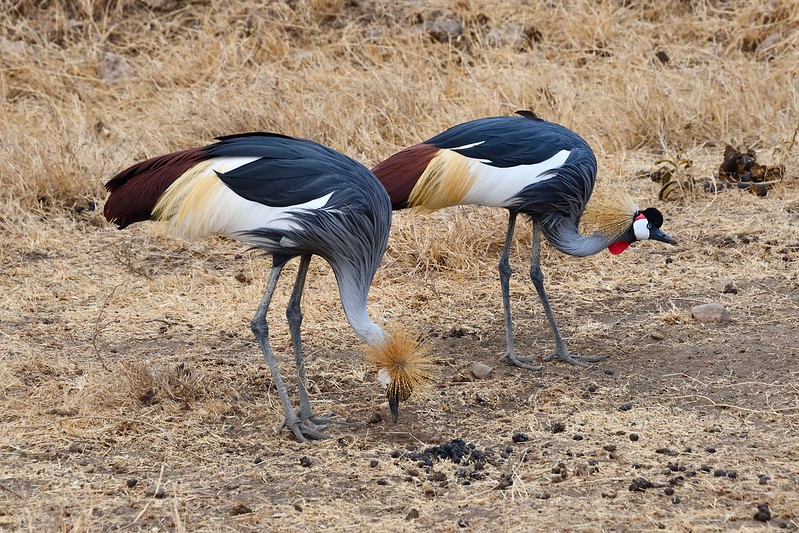
Cyclists can expect to encounter a variety of wildlife depending on the park and season. In savannah parks like Queen Elizabeth and Murchison Falls, it is common to see antelopes, zebras, buffalo, and giraffes, while the quieter trails near lakes or wetlands may offer sightings of hippos, crocodiles, and abundant birdlife. Lake Mburo’s rolling hills and open woodlands provide ideal conditions for observing zebras, impalas, and bushbucks closely, often in areas not accessible to vehicles.
Benefits of Cycling Safaris
Cycling safaris provide a low-impact, eco-friendly way to explore wildlife, minimizing disturbance to animals while promoting a physically engaging activity. Cyclists move quietly, enhancing the chances of observing natural behaviors in wildlife. The slower pace allows for greater attention to small details, such as tracks, birds, insects, and plant interactions, enriching the educational aspect of the safari. Additionally, cycling allows access to remote trails and viewpoints that are typically unreachable by motor vehicles.
Safety and Preparation
Safety is a top priority for cycling safaris. Guides are armed in areas where large wildlife is present and ensure cyclists maintain a safe distance from animals. Groups are kept small to manage safety and wildlife impact effectively. Visitors are provided with helmets, water, and sometimes GPS or communication devices to ensure preparedness on longer rides.
Cycling safaris are suitable for a range of fitness levels, with routes tailored to beginner, intermediate, and advanced cyclists. Guides provide instructions on riding techniques, terrain handling, and wildlife spotting to maximize both safety and enjoyment.
Seasonal Considerations
The dry season, from December to February and June to September, offers firm trails and ideal visibility for wildlife, making it the optimal time for cycling safaris. The wet season, from March to May and October to November, brings lush landscapes and vibrant birdlife, though trails can be muddy or slippery, requiring more experienced handling. Early mornings and late afternoons are the preferred times for cycling, providing cooler temperatures and enhanced wildlife activity.
Complementary Activities
Cycling safaris can be combined with walking safaris, horseback safaris, or boat excursions, providing a multi-modal experience of Uganda’s national parks. Visitors can also enjoy birdwatching, photography, and cultural visits to nearby communities, creating a comprehensive adventure package that integrates wildlife, scenery, and local culture.
Accommodation Options
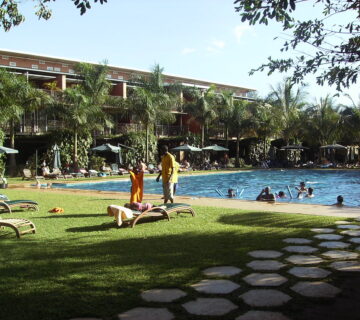
Cycling safaris are best paired with lodges and camps located close to the park’s entry points and cycling trails. Luxury lodges offer full-service amenities and easy access to guided rides, while mid-range lodges provide practical comfort and proximity to key wildlife areas. Eco-camps allow cyclists to immerse themselves in the bush while minimizing environmental impact.
Why Cycling Safaris Are Unique
Cycling safaris in Uganda provide an active, intimate, and eco-friendly alternative to traditional game drives. The experience allows visitors to engage closely with the landscape, observe wildlife behaviors undisturbed by vehicles, and explore hidden trails and scenic viewpoints. For adventure travelers, photographers, and nature enthusiasts, cycling safaris offer a dynamic and memorable way to experience Uganda’s remarkable biodiversity.