Cultural Tourism in Rwanda
Cultural tourism in Rwanda offers travelers meaningful connections with local communities, traditions, and history alongside the country’s renowned wildlife experiences. Deeply rooted in resilience, unity, and heritage, Rwanda’s cultural encounters provide insight into everyday life, artistic expression, and conservation-linked community development.
What Makes Cultural Tourism in Rwanda Unique
Rwanda’s cultural tourism emphasizes authenticity and respect. Experiences are community-led, carefully curated, and designed to benefit local people directly. Rather than staged performances, visitors engage with living traditions—music, dance, crafts, storytelling, and daily practices that continue to shape modern Rwanda.
Cultural tourism also complements wildlife safaris, allowing travelers to understand the human stories that exist alongside conservation success.
Traditional Music and Dance
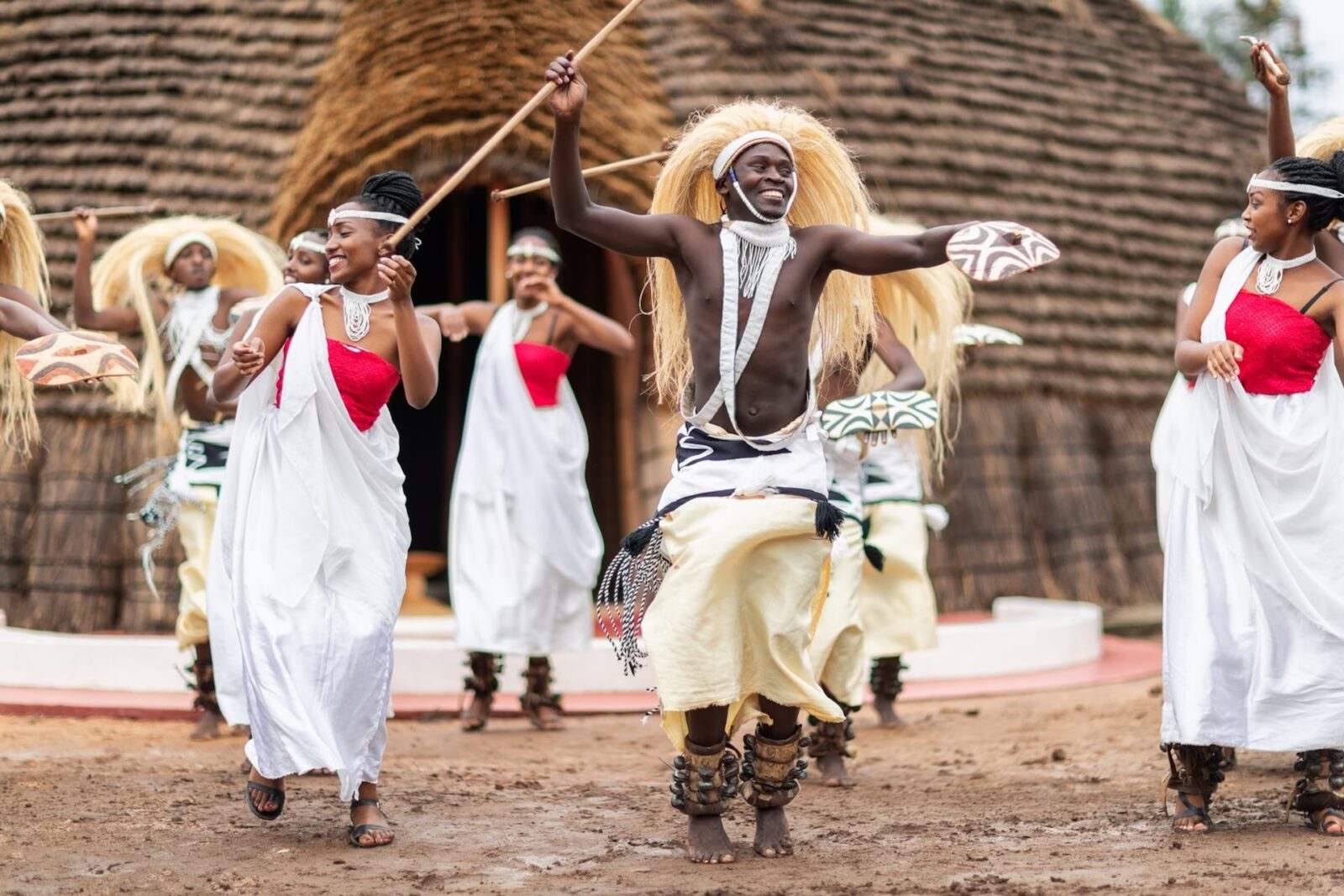
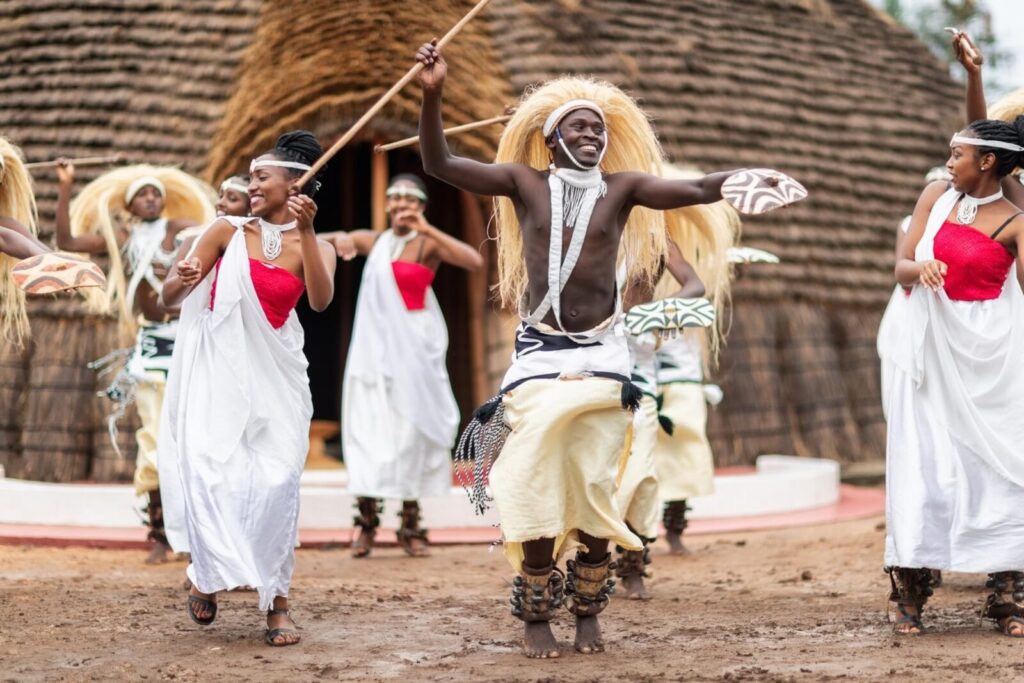
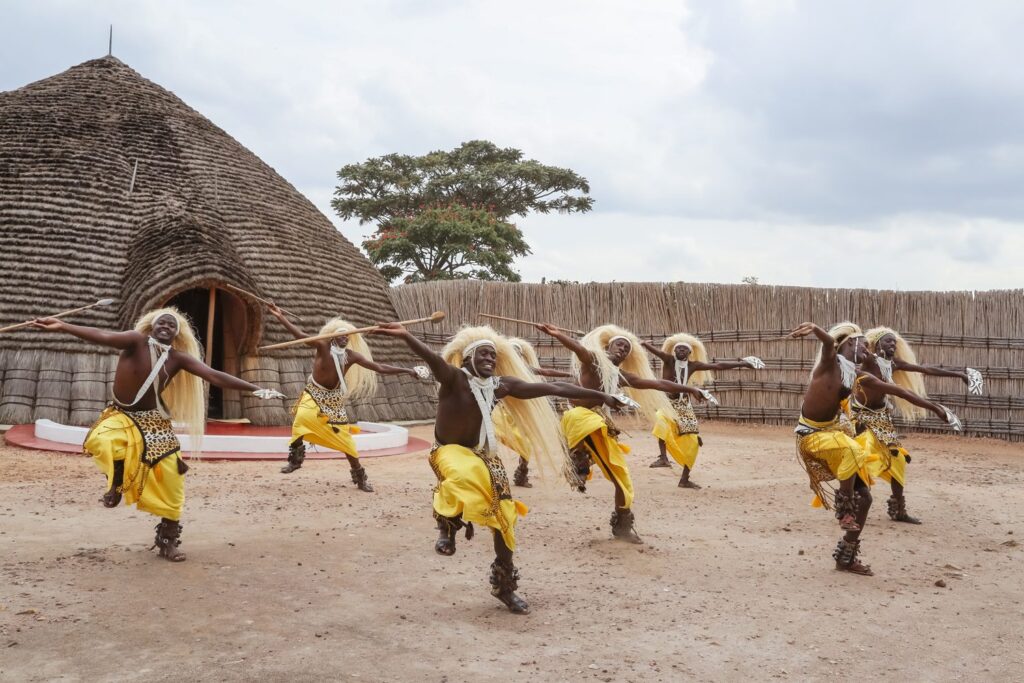
Rwanda’s traditional music and dance form a central part of cultural experiences. The most iconic is the Intore dance, characterized by high leaps, rhythmic drumming, and symbolic movements representing strength, unity, and history.
Performances often take place in villages, cultural centers, and around national parks, offering travelers a chance to learn about Rwanda’s royal heritage and social values through artistic expression.
Community-Based Cultural Experiences
Community tourism plays a vital role in Rwanda’s cultural landscape. Villages near national parks welcome visitors to explore traditional homesteads, participate in cooking, farming, and craft-making, and learn about local livelihoods.
One of the most well-known cultural experiences is the Iby’Iwacu Cultural Village, located near Volcanoes National Park. Here, former poachers and community members share stories, demonstrate traditional practices, and highlight how conservation and tourism have transformed local lives.
Cultural Tourism Around National Parks
Cultural tourism integrates seamlessly with Rwanda’s national parks. Around Volcanoes National Park, visitors engage with communities that support gorilla conservation. Near Akagera National Park, cultural visits reveal pastoral traditions and rural lifestyles linked to savannah ecosystems.
In southwestern Rwanda, communities surrounding Nyungwe Forest National Park share knowledge of forest use, traditional medicine, and sustainable resource management.
Crafts, Art, and Local Markets
Rwanda’s crafts reflect both tradition and innovation. Basket weaving, pottery, wood carving, and beadwork are widely practiced, with each region offering distinctive styles and patterns. Visiting local markets and cooperatives allows travelers to meet artisans, learn techniques, and purchase handmade items that directly support community income.
These crafts often carry symbolic meaning, representing peace, fertility, unity, and cultural identity.
Cultural Heritage and History
Cultural tourism in Rwanda also includes learning about the country’s history, resilience, and journey toward unity. Museums, memorials, and storytelling sessions provide context to Rwanda’s past while emphasizing reconciliation, education, and national rebuilding.
These experiences foster deeper understanding and respectful engagement with Rwanda’s cultural identity.
Best Time to Experience Cultural Tourism
Cultural tourism in Rwanda is available year-round. Cultural festivals, community events, and performances take place throughout the year, often aligning with agricultural cycles and national celebrations. Dry seasons offer easier travel between destinations, but cultural experiences remain consistent regardless of season.
Who Cultural Tourism in Rwanda Is Best For
Cultural tourism suits travelers seeking meaningful connections, educational experiences, and responsible travel. It appeals to families, solo travelers, photographers, and visitors combining wildlife safaris with cultural immersion. Cultural experiences also add depth to luxury and adventure itineraries alike.
Final Insight
Cultural tourism in Rwanda reveals the human heartbeat behind the country’s landscapes and wildlife. Through music, dance, crafts, storytelling, and community engagement, travelers gain insight into Rwanda’s traditions, resilience, and shared future—making any visit richer, more personal, and deeply memorable.