Cultural Tourism in Kenya: Beyond Wildlife Safaris
Kenya’s global reputation rests on wildlife safaris, but the country’s cultural diversity adds depth that many travelers overlook. Across savannahs, highlands, deserts, and coastlines, communities have shaped landscapes for centuries through tradition, language, music, and land use. Cultural tourism in Kenya invites travelers to understand the human stories that exist alongside wildlife and conservation.
Exploring culture alongside safari creates a richer, more meaningful journey that connects people, place, and history.
Kenya’s Cultural Diversity Explained
Kenya is home to more than 40 ethnic communities, each with its own language, traditions, and relationship with the land. This diversity developed through migration, trade, and adaptation to different environments. From pastoralists and fishermen to farmers and traders, cultural identity remains deeply tied to geography.
Cultural tourism does not replace wildlife safaris. It complements them by explaining how people coexist with wildlife and how conservation affects daily life.
Maasai Culture and Living Traditions
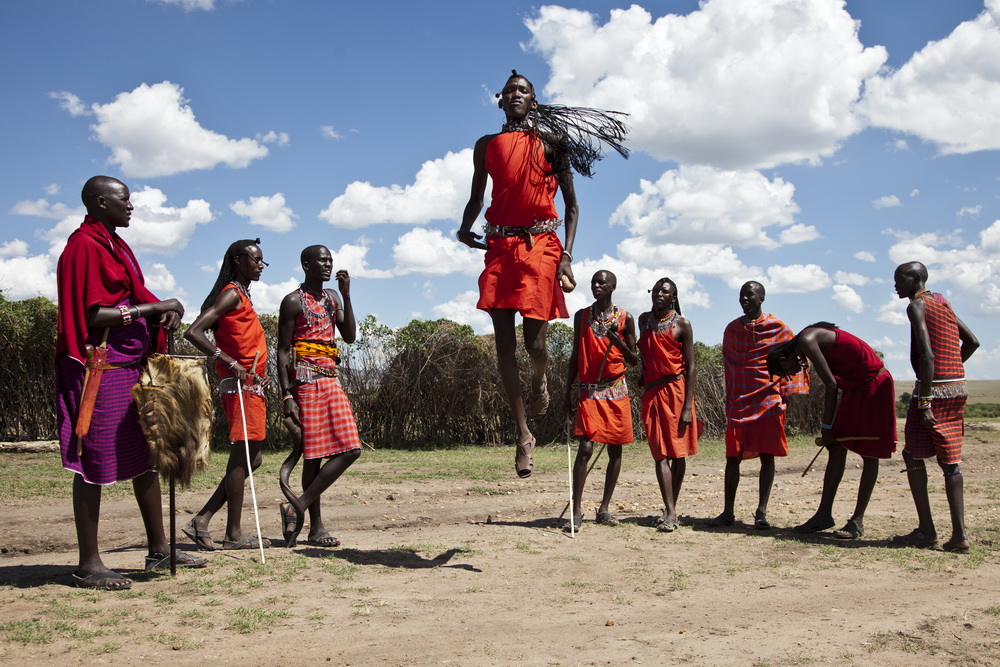
The Maasai are among Kenya’s most recognized communities. Their pastoral lifestyle, age-set system, and strong connection to cattle continue to shape life in southern Kenya. Cultural experiences near the Maasai Mara National Reserve allow travelers to learn about traditional homes, ceremonies, beadwork symbolism, and land stewardship.
Responsible visits focus on dialogue rather than performance. When managed ethically, these experiences support education, healthcare, and conservation initiatives within Maasai communities.
Samburu and Northern Kenya Cultures
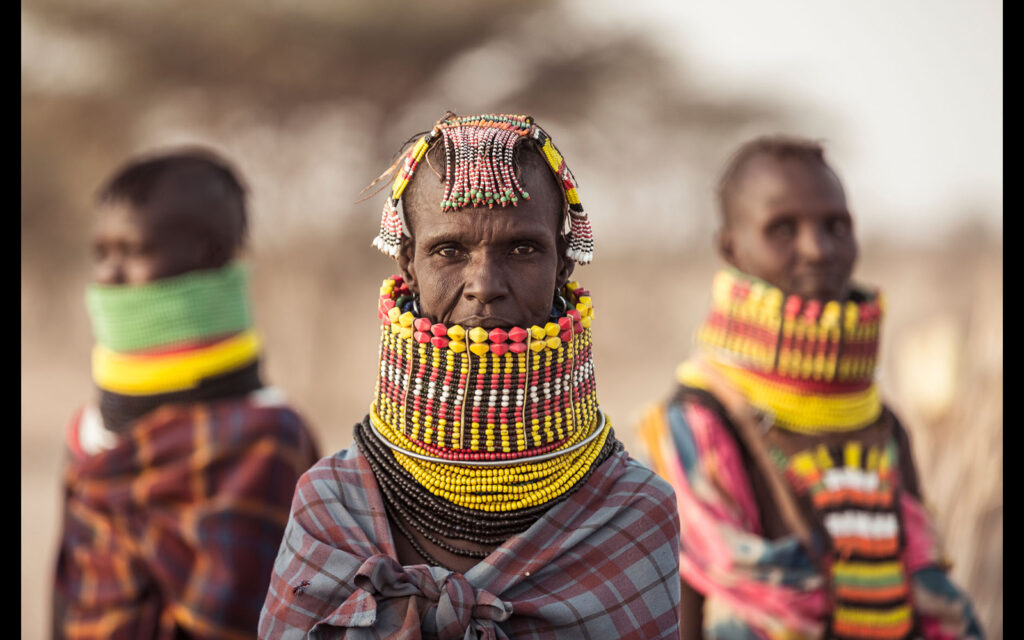
Northern Kenya offers a different cultural landscape shaped by arid conditions and resilience. The Samburu people share linguistic roots with the Maasai but maintain distinct customs, dress, and social practices. Cultural encounters in Samburu National Reserve reveal deep knowledge of survival, livestock management, and environmental adaptation.
Further north, Turkana communities live around Lake Turkana, preserving traditions in one of Africa’s most remote regions. These cultures offer insight into endurance, identity, and adaptation in harsh environments.
Coastal Swahili Culture and History
Kenya’s coast reflects centuries of trade between Africa, Arabia, Persia, and Asia. Swahili culture blends African roots with Islamic traditions, architecture, and cuisine. Exploring historic towns and coastal settlements reveals a slower rhythm shaped by the ocean.
Stone buildings, carved doors, spice markets, and mosques reflect a long history of cultural exchange. Coastal cultural tourism works well alongside beach holidays, offering depth beyond relaxation.
Cultural Tourism in Kenya’s Highlands and Western Regions
In Kenya’s highlands and western regions, agricultural communities such as the Kikuyu, Luhya, and Luo offer cultural experiences centered on farming, fishing, and music. Visits often include storytelling, traditional meals, and participation in daily activities.
These regions highlight how culture evolves alongside modern life, blending tradition with contemporary Kenya. They also show how land use and heritage influence today’s social and economic structures.
Music, Dance, and Oral Traditions
Music and dance play a central role in Kenyan culture. Rhythms mark life events such as births, initiations, weddings, and harvests. Oral storytelling passes history, values, and survival knowledge from elders to younger generations.
Participating in or observing these traditions offers emotional connection and cultural understanding that photographs alone cannot capture.
Food as a Cultural Experience
Kenyan cuisine reflects regional diversity and cultural identity. Staple foods such as ugali, sukuma wiki, nyama choma, and coastal seafood reveal how communities use local resources. Sharing meals provides a natural entry point into cultural exchange.
Food-based cultural tourism encourages conversation, connection, and appreciation of daily life across Kenya.
Responsible Cultural Tourism in Kenya
Cultural tourism must prioritize respect, consent, and fair benefit-sharing. Ethical experiences involve community-led initiatives, transparent fees, and mutual exchange. Photography, interaction, and storytelling should always follow local guidance.
Responsible cultural tourism strengthens conservation by supporting communities that share land with wildlife and protected areas.
When to Include Cultural Tourism in Your Kenya Trip
Cultural experiences fit well between game drives, travel days, or beach stays. They add balance to itineraries and provide context without requiring extensive time. Even short cultural visits can transform how travelers understand Kenya.
Combining wildlife and culture creates a more complete and grounded travel experience.
Final Thoughts on Cultural Tourism in Kenya
Kenya’s culture extends far beyond safari vehicles and national parks. It lives in language, dress, music, food, and everyday resilience. Exploring cultural tourism allows travelers to see Kenya as a living society rather than a backdrop for wildlife.
For travelers seeking deeper connection and understanding, cultural tourism in Kenya offers experiences as powerful and memorable as any safari.