Cultural Photography Rules in Rwanda
Cultural photography in Rwanda is deeply valued when done with respect, consent, and cultural awareness. Rwanda welcomes photographers, but photographing people, traditions, and community life comes with clear expectations rooted in dignity and mutual respect. Understanding these rules ensures ethical storytelling and positive interaction with local communities.
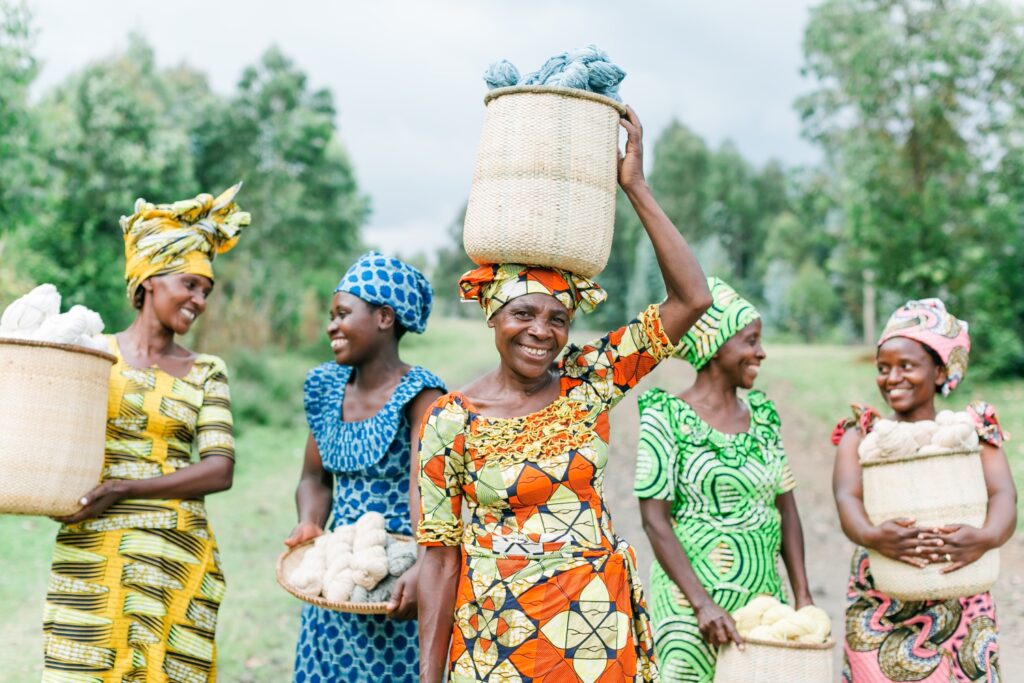
The Importance of Respect in Cultural Photography
In Rwanda, people are not tourist attractions. Cultural photography is seen as a form of interaction, not observation. Respecting personal boundaries and cultural values is essential, especially in rural communities and cultural sites.
A respectful approach builds trust and often results in more meaningful and natural photographs.
Always Ask for Permission
Asking permission before photographing individuals is the most important rule. A polite greeting followed by a request shows respect and is widely appreciated. Many Rwandans are happy to be photographed once asked, especially when they understand the purpose.
This rule applies strongly in villages, markets, schools, and community spaces. Guides and translators can assist where language barriers exist.
Photography in Cultural Villages and Community Sites
At organized cultural sites such as the Gorilla Guardians Village and the Iby’Iwacu Cultural Village, photography is generally allowed but regulated.
Visitors should follow guide instructions, respect restricted areas, and avoid disrupting performances or activities for the sake of a photo.
Dress and Photographer Conduct
Photographers are expected to dress modestly and behave calmly. Loud instructions, aggressive positioning, or treating people as subjects rather than participants is discouraged.
Moving slowly, engaging in conversation, and showing interest in people’s stories often leads to better photographic moments than staged direction.
Avoid Sensitive or Exploitative Images
Photographing vulnerable individuals, children, or private situations without clear consent is inappropriate. Images that portray poverty, distress, or hardship in a sensational or demeaning way are strongly discouraged.
Rwanda promotes photography that reflects dignity, resilience, and authenticity rather than stereotypes.
Photography in Markets, Homes, and Schools
Local markets are visually rich but require sensitivity. Always ask vendors before photographing stalls or individuals. In homes, photography should only occur after explicit permission from hosts.
Photography in schools is highly restricted and usually not allowed without formal authorization. Visitors should never photograph children without parental or guardian consent.
Cultural Events, Dance, and Performances
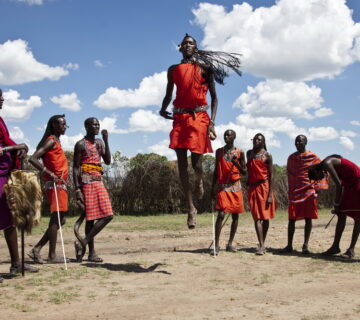
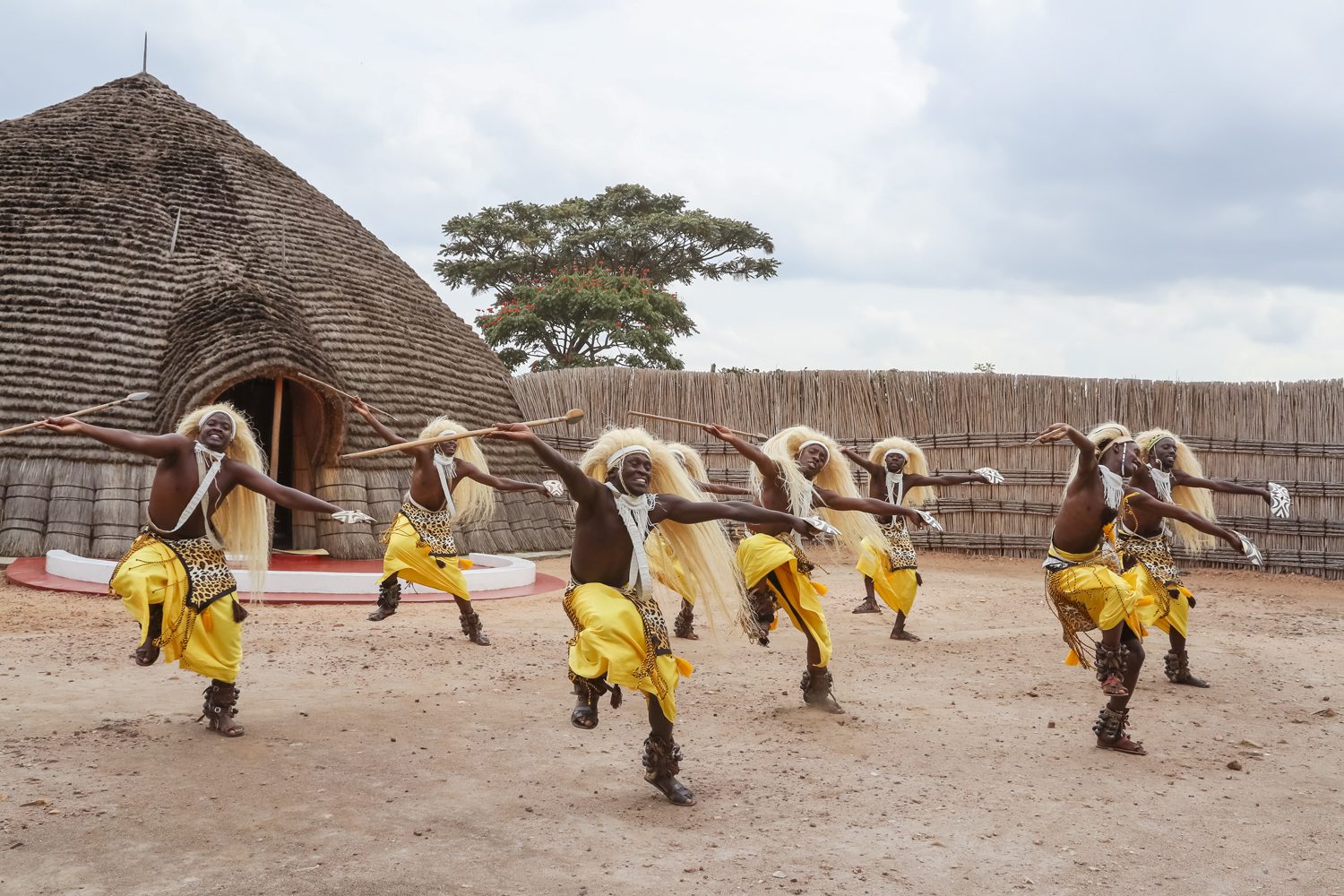
Traditional dance and music performances are popular photography subjects. During Intore dance performances, photographers should avoid blocking views, using flash, or interrupting the rhythm of the performance.
Flash photography is discouraged, especially indoors or during ceremonies, as it can distract performers and diminish the experience.
National Parks and Cultural Context
Around Volcanoes National Park, Nyungwe Forest National Park, and Akagera National Park, cultural photography often overlaps with conservation tourism.
Community members involved in tourism are accustomed to visitors, but permission and respectful behavior remain essential.
Sharing and Using Photographs
If you plan to publish or share photographs commercially, inform your guide or hosts in advance. Ethical photographers explain how images will be used and, where possible, share copies with the people photographed.
Transparency builds goodwill and reflects professional integrity.
Role of Guides in Cultural Photography
Local guides play a key role in ethical photography. They help introduce photographers, explain cultural norms, and identify appropriate moments for photography. Following their guidance prevents misunderstandings and enhances access.
Who These Rules Are Most Important For
These guidelines apply to all visitors but are especially important for photographers, bloggers, journalists, filmmakers, and content creators documenting Rwanda’s culture and people.
Final Insight
Cultural photography rules in Rwanda are rooted in dignity, consent, and mutual respect. When photographers slow down, ask permission, and engage with genuine curiosity, images become more than pictures—they become shared stories. Respectful photography not only protects communities but also produces deeper, more powerful visual narratives.