Comparing Rwanda’s National Parks
Rwanda may be small in size, but its national parks offer remarkably diverse landscapes and wildlife experiences. Comparing Rwanda’s national parks helps travelers understand how each destination differs in ecology, activities, and overall safari appeal—from iconic gorilla trekking to classic savannah game drives and ancient rainforest exploration.
Overview of Rwanda’s National Parks
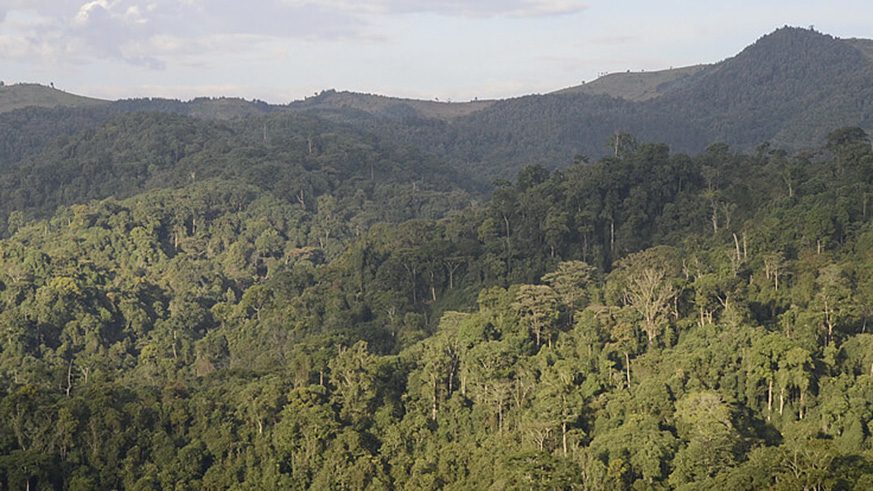
Rwanda is home to four national parks, each protecting a unique ecosystem. Volcanoes National Park is defined by volcanic mountains and endangered primates. Akagera National Park preserves open savannah and wetland habitats rich in large mammals. Nyungwe Forest National Park safeguards one of Africa’s oldest montane rainforests, while Gishwati-Mukura National Park protects a recovering forest ecosystem focused on conservation and community involvement.
Volcanoes National Park
Volcanoes National Park is Rwanda’s most famous park and a global symbol of wildlife conservation. It is best known for mountain gorilla trekking, offering close encounters with habituated gorilla families in a strictly regulated environment. The park also supports golden monkey trekking, volcano hikes, and conservation-focused experiences linked to Dian Fossey’s legacy.
This park suits travelers seeking transformative wildlife encounters, luxury travel combined with conservation, and short but intense safari experiences centered on primates.
Akagera National Park
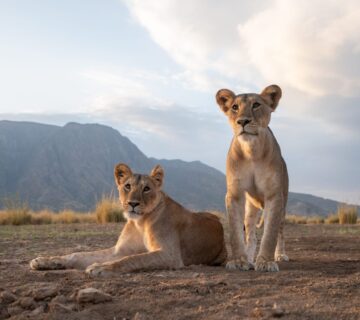
Akagera National Park offers a completely different experience. Located in eastern Rwanda, it is the country’s only savannah park and home to the Big Five. Game drives, boat safaris on Lake Ihema, and night drives allow visitors to explore open plains, woodlands, and wetlands.
Akagera appeals to travelers looking for classic African safari experiences, families seeking wildlife without strenuous trekking, and visitors wanting to combine savannah wildlife with gorilla trekking in one itinerary.
Nyungwe Forest National Park
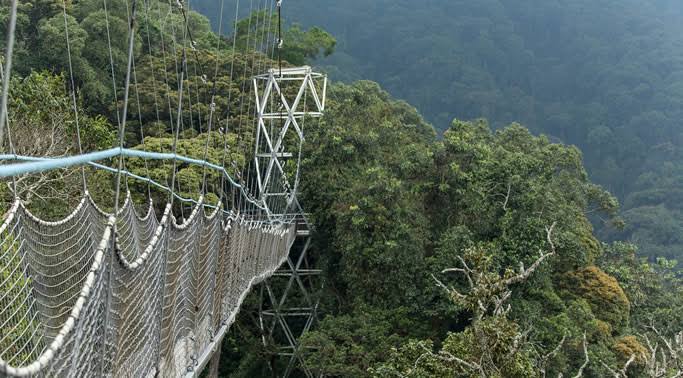
Nyungwe Forest National Park is a biodiversity hotspot dominated by dense rainforest and rugged terrain. It is best known for chimpanzee trekking and a high concentration of primate species, as well as exceptional birdlife, including Albertine Rift endemics.
Activities here focus on guided forest walks, canopy walks, and primate tracking rather than vehicle-based safaris. Nyungwe suits nature lovers, birdwatchers, and travelers interested in immersive rainforest ecosystems.
Gishwati-Mukura National Park
Gishwati-Mukura is Rwanda’s newest and smallest national park, created to protect a fragile forest corridor and restore degraded landscapes. Wildlife viewing is limited compared to other parks, but the park plays a vital role in conservation, research, and community-based tourism.
This park is ideal for travelers interested in conservation stories, off-the-beaten-path experiences, and understanding Rwanda’s reforestation and restoration efforts.
Wildlife and Activity Comparison
Volcanoes National Park focuses on primates and volcanic landscapes, with trekking as the primary activity. Akagera delivers the widest range of wildlife species and traditional game drives. Nyungwe emphasizes forest biodiversity, primates, and birdlife, while Gishwati-Mukura highlights ecosystem restoration rather than high-density wildlife viewing.
Together, these parks showcase Rwanda’s ecological diversity within a compact and accessible travel circuit.
Which Park Is Best for Your Safari
Choosing the best park depends on travel goals. Gorilla trekking enthusiasts gravitate toward Volcanoes National Park. Travelers seeking Big Five safaris choose Akagera. Birders and rainforest explorers favor Nyungwe, while conservation-focused travelers appreciate Gishwati-Mukura’s restoration story.
Many visitors combine two or more parks to experience Rwanda’s full range of landscapes and wildlife.
Final Insight
Comparing Rwanda’s national parks reveals a country that offers far more than a single safari experience. From misty volcanoes and ancient rainforests to open savannahs and recovering forests, Rwanda delivers exceptional diversity, conservation success, and meaningful wildlife encounters within a compact destination.