Community Tourism Around Volcanoes Park
Community tourism around Volcanoes National Park offers travelers the chance to connect with local people while directly supporting conservation and sustainable livelihoods. These experiences reveal how communities living alongside mountain gorillas benefit from tourism and actively participate in protecting Rwanda’s most iconic ecosystem.
What Makes Community Tourism Around Volcanoes Park Special
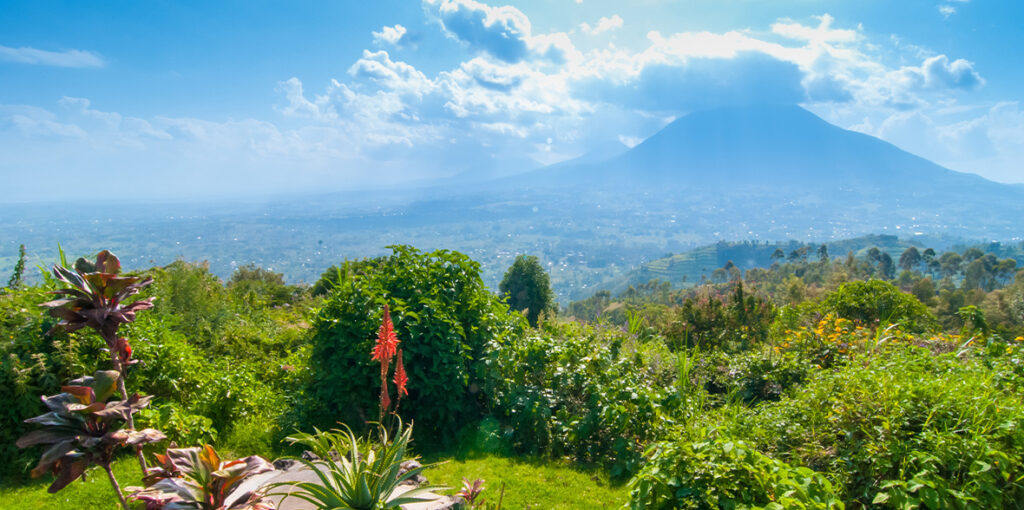
Community tourism here is purpose-driven and authentic. Experiences are led by local residents who share their culture, history, and daily life while earning income that reduces dependence on forest resources. Tourism becomes a partnership rather than an intrusion, strengthening conservation outcomes and community pride.
For visitors, these encounters add a human story to gorilla trekking and create a deeper understanding of Rwanda beyond wildlife viewing.
Cultural Villages and Community Experiences
Several community initiatives operate around Volcanoes National Park, offering immersive cultural encounters. The Gorilla Guardians Village showcases traditional dance, storytelling, crafts, and hands-on activities led by former poachers turned conservation ambassadors.
The Iby’Iwacu Cultural Village provides similar experiences, highlighting royal traditions, music, and everyday practices that reflect Rwanda’s heritage and resilience.
Traditional Dance, Music, and Storytelling
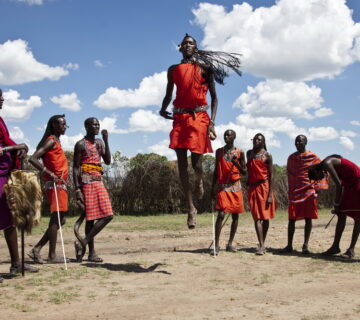
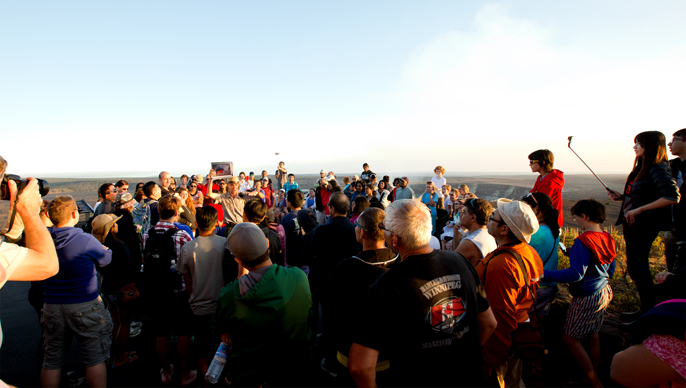
Traditional Intore dance and drumming performances are central to community tourism around Volcanoes Park. These performances convey history, leadership, and unity through movement and rhythm. Storytelling sessions complement the dances, offering insight into pre-colonial traditions, cultural values, and how communities have adapted to conservation-driven tourism.
Visitors are often invited to participate, creating lively cultural exchange and shared celebration.
Village Walks and Daily Life Experiences
Guided village walks allow travelers to explore rural life at a relaxed pace. Visitors observe farming activities, traditional homesteads, local schools, and markets while learning about daily routines and social structures.
These walks emphasize respectful interaction and help visitors understand how tourism revenue supports education, healthcare, and infrastructure in surrounding communities.
Conservation Linked to Community Benefits
Community tourism plays a vital role in gorilla conservation. Revenue from visits supports alternative livelihoods, reduces human-wildlife conflict, and funds community projects. Many participants were once involved in activities that threatened wildlife but now act as protectors and educators.
This model demonstrates how conservation succeeds when communities see clear benefits from protecting natural resources.
How Community Tourism Fits into a Safari Itinerary
Community tourism experiences are easy to include alongside gorilla trekking. Most visits take a few hours and are scheduled before or after trekking in Volcanoes National Park. They complement wildlife encounters by adding cultural context and emotional depth to the safari journey.
Best Time to Experience Community Tourism
Community tourism around Volcanoes Park operates year-round. Dry seasons offer easier access and comfortable conditions, but cultural experiences remain consistent regardless of season. Performances and activities continue throughout the year, adapting to visitor interests.
Who Community Tourism Around Volcanoes Park Is Best For
These experiences suit travelers seeking meaningful interaction, responsible tourism, and cultural understanding. They appeal to families, photographers, educators, conservation-minded visitors, and travelers wanting to enrich gorilla trekking with human connection.
Final Insight
Community tourism around Volcanoes National Park reveals the people behind Rwanda’s conservation success. Through cultural villages, storytelling, and daily-life experiences, visitors witness how tourism empowers communities and protects gorillas. It is a powerful reminder that conservation thrives when people and wildlife benefit together.