Community Homestays in Rwanda
Community homestays in Rwanda offer travelers an intimate way to experience everyday life while directly supporting local families. Staying in a homestay goes beyond observation—it invites guests into homes, routines, and traditions, creating meaningful cultural exchange rooted in respect and shared experience.
What Are Community Homestays in Rwanda
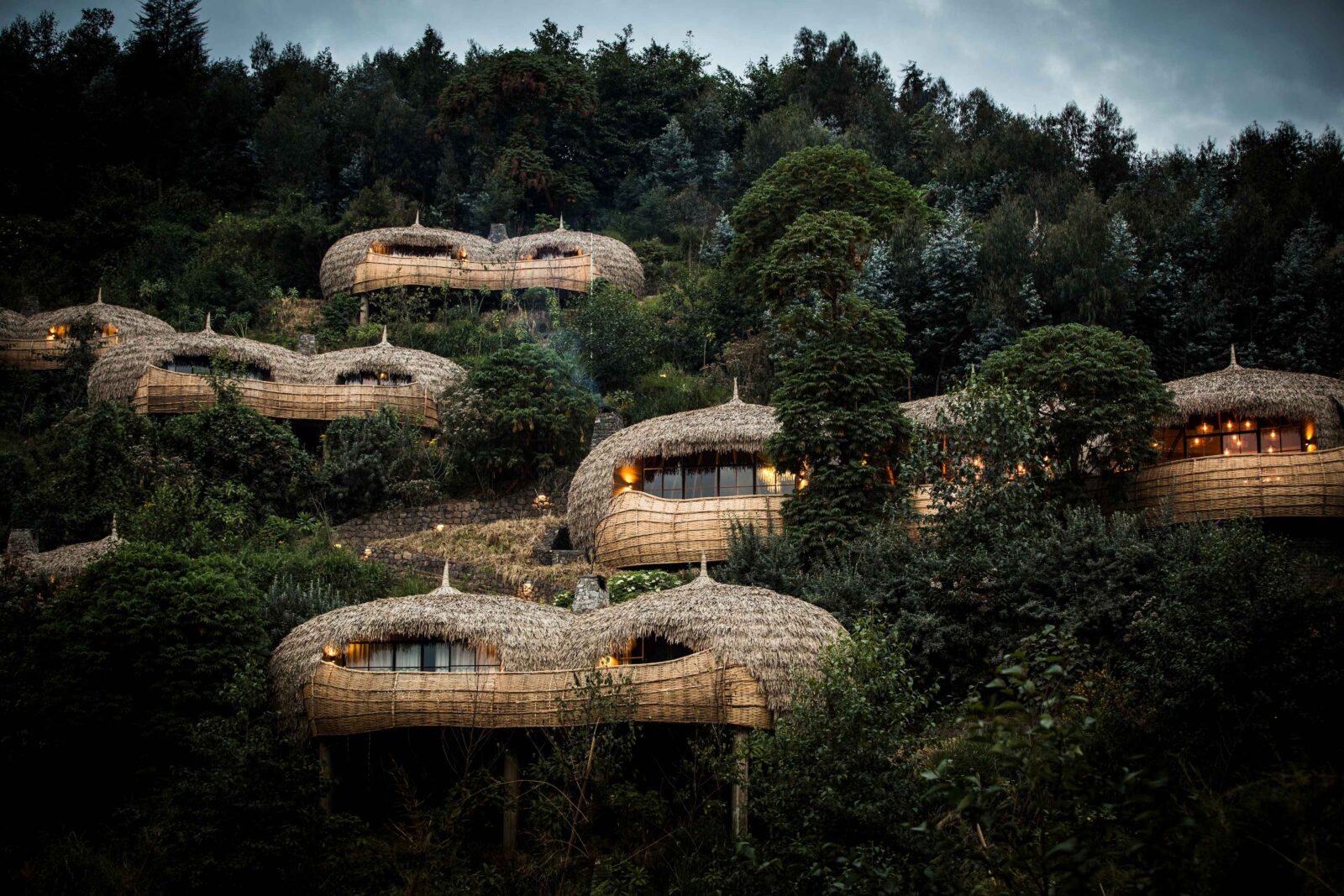
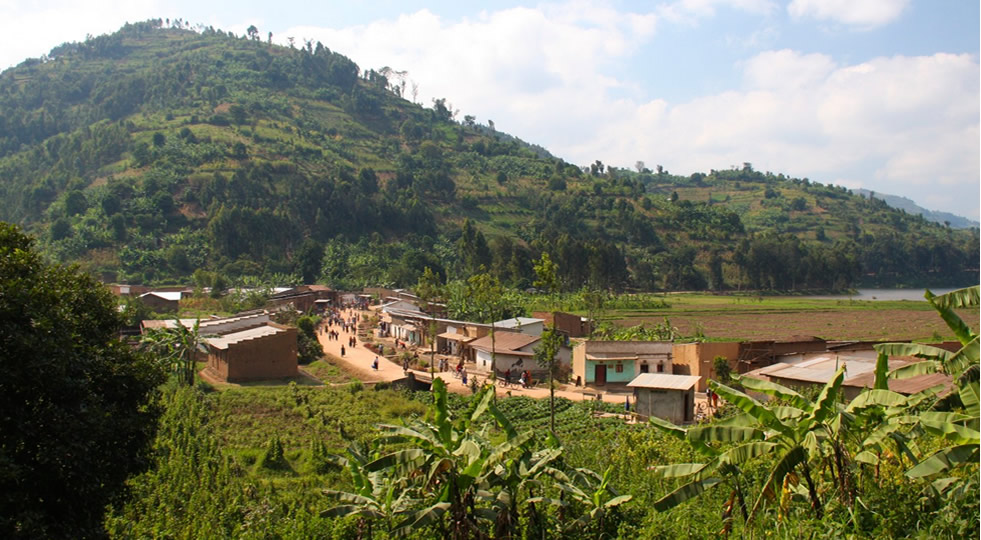
Community homestays are locally run accommodations where visitors stay with host families in rural or village settings. Hosts provide a private or shared room, home-cooked meals, and opportunities to participate in daily activities. These stays are simple, warm, and authentic, emphasizing connection rather than luxury.
Homestays are often coordinated through community cooperatives or local tourism initiatives to ensure fair benefit and quality standards.
Why Choose a Community Homestay
Choosing a homestay allows travelers to understand Rwanda from the inside. Guests wake to village sounds, share meals prepared with local ingredients, and learn customs through everyday interaction. For communities, homestays generate income, create pride in cultural heritage, and strengthen conservation-linked livelihoods.
This form of travel supports ethical tourism and leaves a positive footprint.
Daily Life and Cultural Exchange
A typical homestay experience includes shared meals, conversations, and participation in daily routines such as farming, cooking, fetching water, or visiting local markets. Hosts may introduce guests to neighbors, schools, or community gatherings, offering genuine insight into rural life.
Cultural exchange happens naturally—through stories, laughter, and shared time.
Food and Home-Cooked Meals
Meals are a highlight of community homestays. Guests enjoy traditional Rwandan dishes made from fresh, local produce, often eaten together as a family. Hosts explain ingredients, preparation methods, and cultural significance, turning meals into learning moments.
Food sharing strengthens bonds and reflects Rwanda’s deep culture of hospitality.
Homestays Around National Parks
Community homestays are available near Rwanda’s major conservation areas, linking culture with wildlife protection. Around Volcanoes National Park, homestays support families involved in gorilla conservation. Near Nyungwe Forest National Park, forest-edge communities host visitors interested in nature and traditional knowledge. In eastern Rwanda, communities near Akagera National Park offer homestays reflecting pastoral and savannah lifestyles.
These stays show how tourism revenue helps protect natural resources.
Comfort, Safety, and Expectations
Community homestays are clean, safe, and welcoming, though comfort levels are modest. Facilities may include shared bathrooms, limited electricity, or bucket showers in rural areas. Hosts and coordinators ensure basic standards while preserving authenticity.
Guests are briefed on house rules, cultural norms, and safety practices to ensure a respectful stay.
Responsible Behavior and Cultural Etiquette
Respect is central to a successful homestay. Greeting hosts politely, dressing modestly, asking permission before taking photos, and participating with humility are essential. Visitors are encouraged to listen, learn, and adapt rather than expect hotel-style service.
Small gestures of gratitude are deeply appreciated.
How Community Homestays Fit into an Itinerary
Homestays can be added before or after wildlife activities, cultural tours, or city visits. A one- or two-night stay is often enough to create strong connection, though longer stays offer deeper immersion.
They balance safari itineraries with human-centered experiences.
Who Community Homestays Are Best For
Community homestays suit responsible travelers, cultural explorers, students, families with older children, and visitors seeking meaningful connection. They are ideal for those who value learning, simplicity, and impact over luxury.
Final Insight
Community homestays in Rwanda offer one of the most genuine ways to experience the country. By sharing homes, meals, and daily life, travelers gain insight into Rwandan culture while supporting families and conservation-linked communities. It is travel grounded in humanity—simple, powerful, and deeply memorable.