Chimpanzee Trekking vs Gorilla Trekking
Chimpanzee trekking vs gorilla trekking. Chimpanzee trekking and gorilla trekking are Rwanda’s two most iconic primate experiences, yet they differ greatly in pace, atmosphere, and emotional impact. Travelers often struggle to decide between the two or wonder whether one offers more value than the other. While both involve close encounters with endangered primates, the experiences feel fundamentally different on the ground.
Understanding the contrasts between chimpanzee trekking and gorilla trekking helps travelers align expectations with reality. Rather than choosing which is “better,” the decision comes down to personal travel style, fitness level, and what kind of wildlife encounter feels most meaningful.
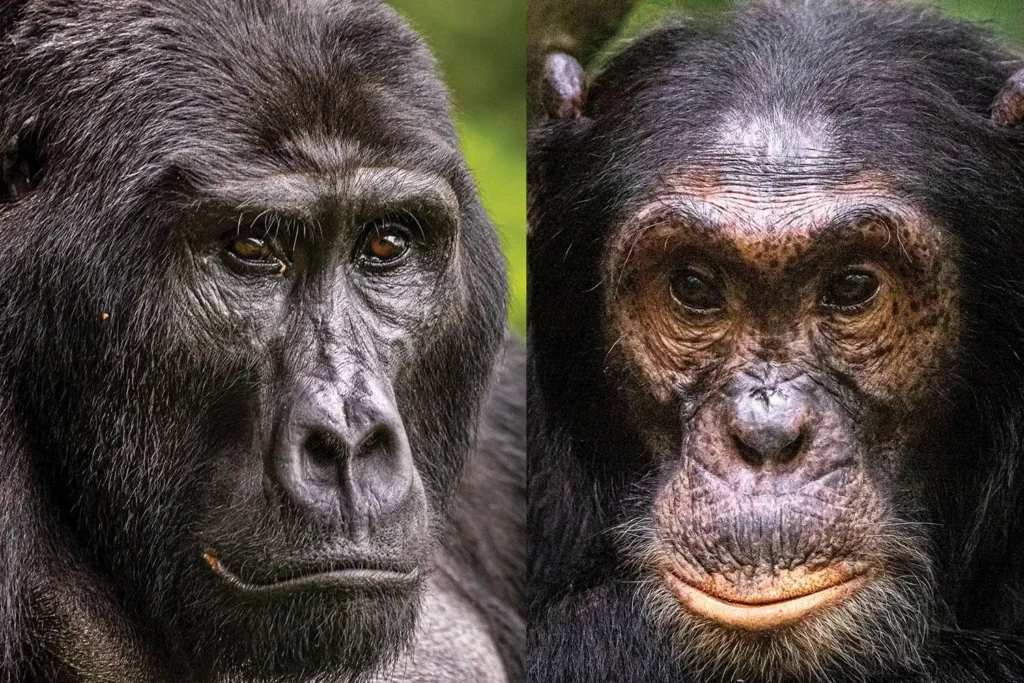
Difference in Primate Behavior
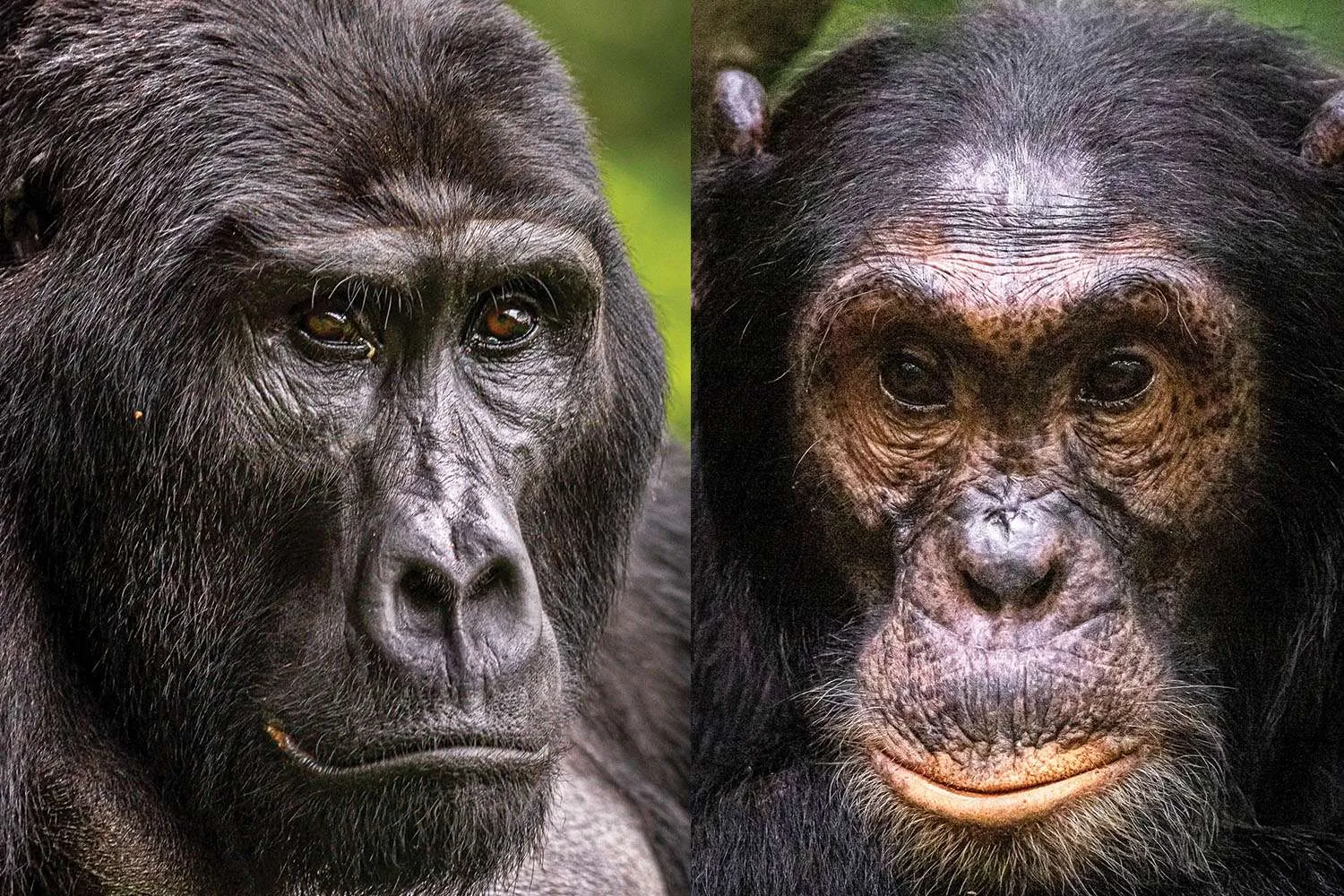
Gorillas are generally calm, ground-dwelling primates with slow, deliberate movements. During a gorilla trek, visitors often observe families feeding, resting, grooming, and interacting quietly within a small area. Their behavior allows for steady observation and emotional connection.
Chimpanzees, by contrast, are energetic, vocal, and highly mobile. They move quickly through the forest canopy, communicate loudly, and change direction often. Chimpanzee encounters feel dynamic and unpredictable, with brief but exciting sightings rather than prolonged stillness.
Pace and Rhythm of the Experience
Gorilla trekking unfolds at a measured pace. Once the gorilla family is located, visitors spend a full hour observing them with minimal movement. The experience feels calm, focused, and intimate.
Chimpanzee trekking is faster and more physically engaging. Trekkers may walk briskly, stop suddenly, and change direction as chimpanzees move. The rhythm feels more like tracking than observing, creating a sense of urgency and excitement.
Terrain and Physical Demands
Gorilla trekking takes place in mountainous terrain, often involving steep slopes, muddy trails, and dense vegetation. While the pace is slower, the physical effort can be significant depending on gorilla location.
Chimpanzee trekking typically involves longer distances and quicker movement, especially in Nyungwe Forest. Trails can be uneven and hilly, requiring stamina and agility. Overall, chimpanzee trekking often feels more physically demanding due to pace rather than terrain alone.
Observation Style and Visibility
Gorilla trekking offers close, clear observation. Gorillas are usually seen at ground level, allowing eye contact and detailed viewing of expressions and behavior. Visibility tends to be excellent once contact is made.
Chimpanzee observation is more challenging. Chimpanzees spend much of their time in trees, and sightings often involve looking upward through dense foliage. Visibility can be brief and partial, requiring patience and attentiveness.
Emotional Impact and Connection
Gorilla trekking is widely described as emotionally powerful. The stillness, proximity, and eye contact often create a deep sense of connection and reflection. Many travelers describe the experience as humbling or life-changing.
Chimpanzee trekking delivers excitement rather than quiet emotion. The experience stimulates curiosity and adrenaline, offering insight into intelligence, communication, and social complexity. The emotional response tends to be energetic rather than contemplative.
Group Size and Experience Control
Gorilla trekking groups are strictly limited, creating a highly controlled and intimate experience. Group movement and positioning are carefully managed to protect gorillas and visitors.
Chimpanzee trekking groups are also regulated but allow more movement due to chimpanzee behavior. The experience feels less structured, with frequent adjustments based on primate activity.

Photography Opportunities
Gorilla trekking provides excellent photography opportunities due to close proximity and relatively stable subjects. Photographers can capture detailed portraits and behavior without constant repositioning.
Chimpanzee photography is more challenging. Fast movement, low light, and canopy positioning demand quick reflexes and advanced camera settings. While rewarding, the experience suits photographers comfortable with unpredictability.
Permit Cost and Value Consideration
Gorilla trekking permits are significantly more expensive due to strict limits, conservation investment, and high demand. The cost reflects exclusivity and conservation impact rather than duration alone.
Chimpanzee trekking permits are more affordable, making the experience accessible to a wider range of travelers. While sightings may be shorter, the value lies in activity and biodiversity rather than intimacy.
Conservation Experience and Learning
Both experiences contribute directly to conservation, but in different ways. Gorilla trekking funds intensive protection programs and veterinary monitoring for a critically endangered species.
Chimpanzee trekking supports large-scale forest conservation, protecting vast rainforest ecosystems that benefit multiple species. The conservation focus feels broader and ecosystem-driven.
Best Experience for First-Time Visitors
First-time primate trekkers often find gorilla trekking easier to appreciate due to visibility and emotional clarity. The experience feels intuitive and immediately impactful.
Chimpanzee trekking may feel overwhelming for first-timers due to speed and unpredictability. However, travelers open to challenge and movement often find it thrilling.
Combining Gorilla and Chimpanzee Trekking
Many travelers choose to experience both gorilla and chimpanzee trekking to gain a complete understanding of primate diversity. Together, they showcase contrasting behaviors, habitats, and emotional tones.
Combining both experiences creates balance. Gorilla trekking delivers depth and stillness, while chimpanzee trekking adds energy and complexity.
Who Should Choose Gorilla Trekking
Gorilla trekking suits travelers seeking emotional depth, close observation, and structured encounters. It appeals to photographers, couples, and travelers prioritizing meaningful connection over activity.
Those comfortable with slower pacing and reflective moments often find gorilla trekking profoundly rewarding.
Who Should Choose Chimpanzee Trekking
Chimpanzee trekking suits adventurous travelers who enjoy movement, unpredictability, and high-energy wildlife encounters. It appeals to nature enthusiasts interested in behavior, sound, and ecosystem dynamics.
Travelers comfortable with physical exertion and brief sightings often appreciate the raw nature of chimpanzee trekking.
Plan Your Safari
Chimpanzee trekking vs gorilla trekking is not a matter of better or worse, but of experience style. Gorillas offer intimacy and emotional impact, while chimpanzees deliver energy and excitement. Choosing the experience that matches your expectations ensures a fulfilling and memorable primate safari in Rwanda.