Chimpanzee Safaris in Uganda the Whole Family Can Enjoy
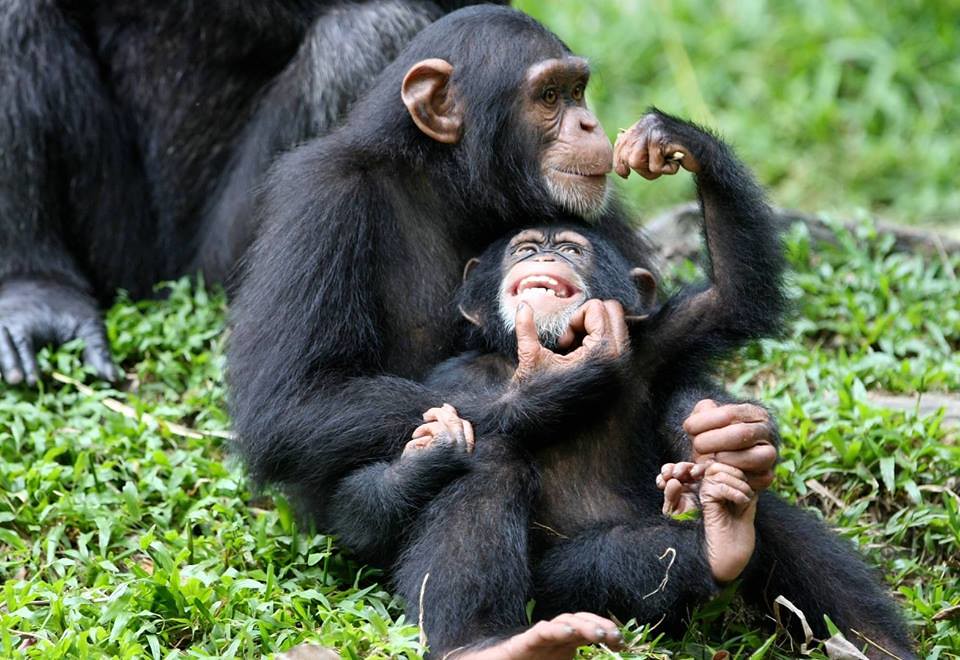
A chimpanzee safari in Uganda offers families a unique opportunity to explore the lush rainforests of East Africa while observing one of our closest animal relatives in their natural habitat. This adventure is more than just wildlife viewing—it is a chance for children and adults alike to learn about primate behavior, conservation, and the importance of protecting fragile ecosystems. With careful planning, a family safari to see chimpanzees can be safe, educational, and deeply memorable.
Uganda is ideal for family primate adventures due to its well-managed trekking programs, diverse forest habitats, and child-friendly lodges that combine comfort with immersive experiences. Families can witness the energy and intelligence of chimpanzees while enjoying a variety of other activities that make the journey both enriching and fun.
Why Uganda Is Perfect for Families
Kibale Forest National Park, known as the primate capital of East Africa, is the top destination for family chimpanzee safaris. The park hosts habituated chimpanzee groups, making encounters accessible and reliable for visitors. Other forests, such as Budongo and Kalinzu, also provide family-friendly trekking options with slightly easier trails and fewer crowds.
Uganda’s approach to family travel emphasizes safety, comfort, and education. Trekking routes vary in difficulty, allowing guides to match families with chimpanzee groups that are suitable for different ages and fitness levels. Even if some younger children are below the trekking age limit, alternative activities such as nature walks, birdwatching, and visits to local communities ensure that the entire family can participate in meaningful ways.
Planning a Family-Friendly Chimpanzee Safari
The key to a successful family chimpanzee safari is thoughtful itinerary planning. Most families start their journey in Kampala or Entebbe, giving everyone a chance to rest after international flights. Road transfers to western Uganda offer scenic views and manageable stops to break the journey into enjoyable segments for children.
Once in the forest region, families stay in lodges near trekking trailheads to reduce early-morning travel stress. The trekking day itself is tailored to family needs: guides pace the hike according to the youngest or least experienced family members, and frequent stops allow everyone to appreciate the forest’s biodiversity. During the trek, children learn about primate social structures, vocalizations, and forest ecology, turning the experience into a live classroom that is both engaging and exciting.
Kid-Friendly Accommodation Options
Accommodation is an important factor for families. Many lodges near Kibale Forest offer family cottages, interconnecting rooms, or suites that ensure privacy and comfort. These lodges often include meals, guided nature walks, and educational programs that enhance the children’s understanding of the forest and its inhabitants.
Choosing a lodge close to the trekking starting point also provides families with flexibility. After a morning trek, children and adults can rest, enjoy the lodge grounds, or participate in shorter guided activities such as butterfly watching, plant identification walks, or cultural visits, keeping everyone entertained without overexertion.
Preparing for the Trek
Chimpanzee trekking can be physically engaging, so preparation is crucial. Families should bring appropriate gear including sturdy shoes, long-sleeved clothing, rain jackets, insect repellent, and reusable water bottles. Guides often provide practical advice to help children and adults navigate the forest safely.
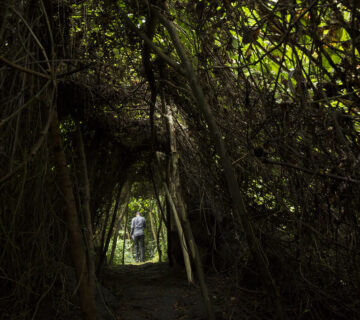
It’s important to set expectations for the children. Unlike viewing animals from a vehicle on a classic safari, chimpanzee trekking involves walking through dense vegetation, listening to the forest sounds, and being patient while locating the chimpanzees. This teaches children the value of observation, respect for wildlife, and the patience required for meaningful nature encounters.

Best Time for Family Chimpanzee Safaris
The timing of a safari can influence comfort and wildlife activity. Drier months make trekking easier and trails more navigable, which is ideal for families with younger children. Wet seasons, while more challenging, create lush forests, vibrant wildlife activity, and fewer crowds, offering a more intimate experience. Families can weigh the ease of trekking against the desire for quiet and immersive forest encounters when choosing travel dates.
Combining Chimpanzee Trekking with Other Family Activities
A family-focused chimpanzee safari can be enriched by adding complementary activities. Birdwatching, guided nature walks, and visits to local villages provide learning opportunities while engaging younger travelers. Nearby Queen Elizabeth National Park offers boat cruises along the Kazinga Channel and wildlife viewing that appeals to children and adults alike, giving variety to the overall safari experience.
Combining these activities ensures that children remain engaged, while adults enjoy observing Uganda’s rich biodiversity beyond chimpanzees. This blend of adventure, education, and relaxation makes the safari suitable for all ages and interests.
Making the Experience Safe and Memorable
Family chimpanzee safaris are carefully regulated to protect both visitors and wildlife. Trekking is supervised by trained guides and trackers who ensure adherence to safety protocols, including minimum distances from chimpanzees and group size limits. These measures allow families to enjoy up-close wildlife encounters safely.
In addition to safety, the experience is structured to create lasting memories. Sharing the thrill of spotting a chimpanzee, learning about its behavior, and walking together through ancient forests fosters bonding and leaves a deep impression on children and adults alike. Photos, storytelling, and interactive discussions at the lodge help families reflect on their adventure and consolidate their learning.