Chimpanzee Habitats: Discovering Uganda’s Forest Giants
Uganda is one of the world’s premier destinations for observing wild chimpanzees, offering travelers the chance to witness these intelligent primates in lush forest habitats. Chimpanzees, our closest living relatives, are central to Uganda’s wildlife tourism, providing both educational and thrilling experiences for visitors. Understanding their habitats helps travelers plan successful treks, appreciate their complex behaviors, and contribute to ethical wildlife encounters.
Kibale Forest National Park: Uganda’s Chimpanzee Capital
Kibale Forest National Park in western Uganda is the most famous chimpanzee habitat in the country, covering approximately 795 square kilometers of moist tropical rainforest. Often referred to as the “primate capital of the world,” Kibale hosts over 13 primate species, including large troops of chimpanzees.
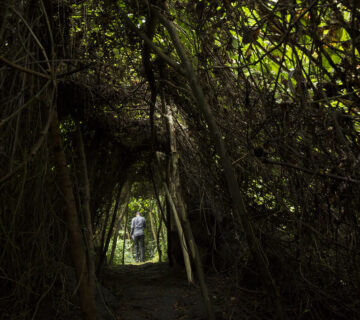
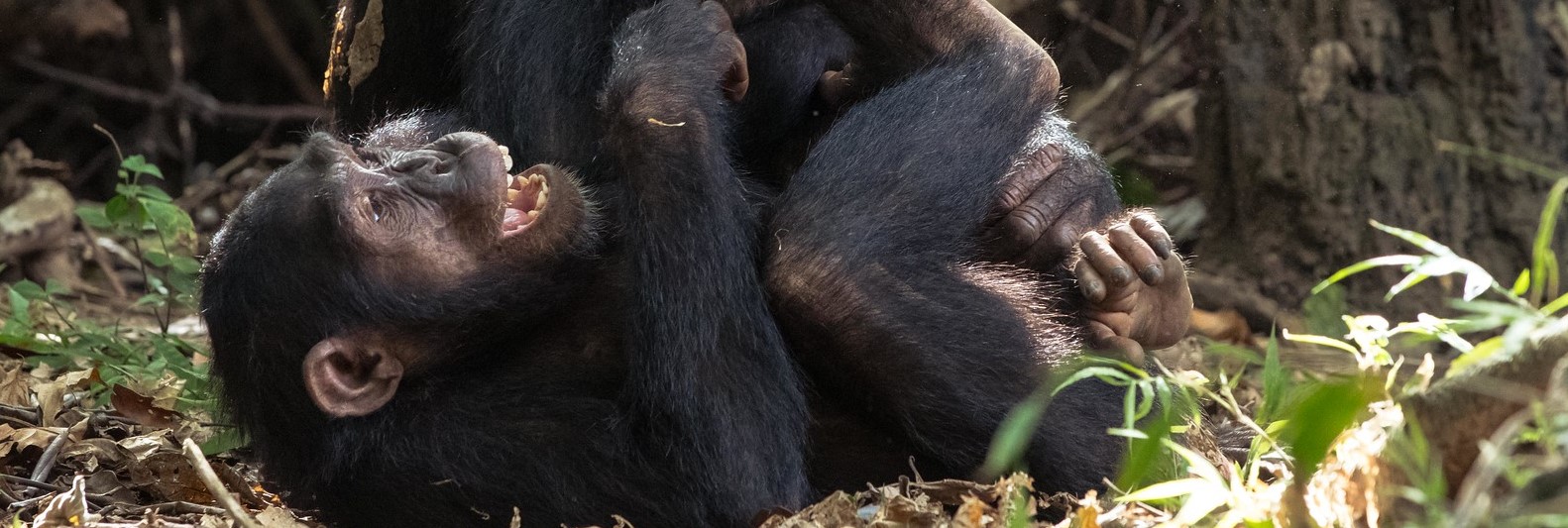
The forest features diverse ecosystems, from dense understories and riverine gullies to open canopy areas. These habitats provide chimpanzees with abundant food sources, such as fruits, leaves, seeds, and insects, as well as shelter for nesting and resting. Visitors can participate in habituated chimpanzee trekking, guided by expert trackers who follow the daily movements of specific chimpanzee groups. Treks often involve navigating narrow trails, observing chimpanzees foraging, socializing, and engaging in play, offering unique insights into their intelligence and social structures.
Budongo Forest Reserve: Chimpanzee Conservation and Research
Budongo Forest Reserve is another critical habitat for chimpanzees, located in northwestern Uganda near Murchison Falls National Park. Known for its dense mahogany forest and swampy areas, Budongo provides an ideal environment for chimpanzee feeding, nesting, and travel. Research programs here focus on long-term monitoring of chimpanzee populations, studying behaviors, health, and ecology. Volunteers and visitors may observe conservation activities, gaining a deeper understanding of chimpanzee ecology and the challenges these primates face due to habitat loss and human pressures.
Ngogo and Bigodi: Rich Habitats for Primate Encounters
Within Kibale and surrounding areas, Ngogo is home to one of the largest chimpanzee communities in Africa, allowing researchers and visitors to observe hundreds of individuals interacting across a vast forested area. Bigodi Wetland Sanctuary, adjacent to Kibale, provides additional opportunities to spot chimpanzees, monkeys, and other wildlife while enjoying scenic swamp and forest trails. These areas are crucial for maintaining forest connectivity, enabling chimpanzees to move between feeding and nesting sites safely.
Habitat Characteristics and Chimpanzee Behavior
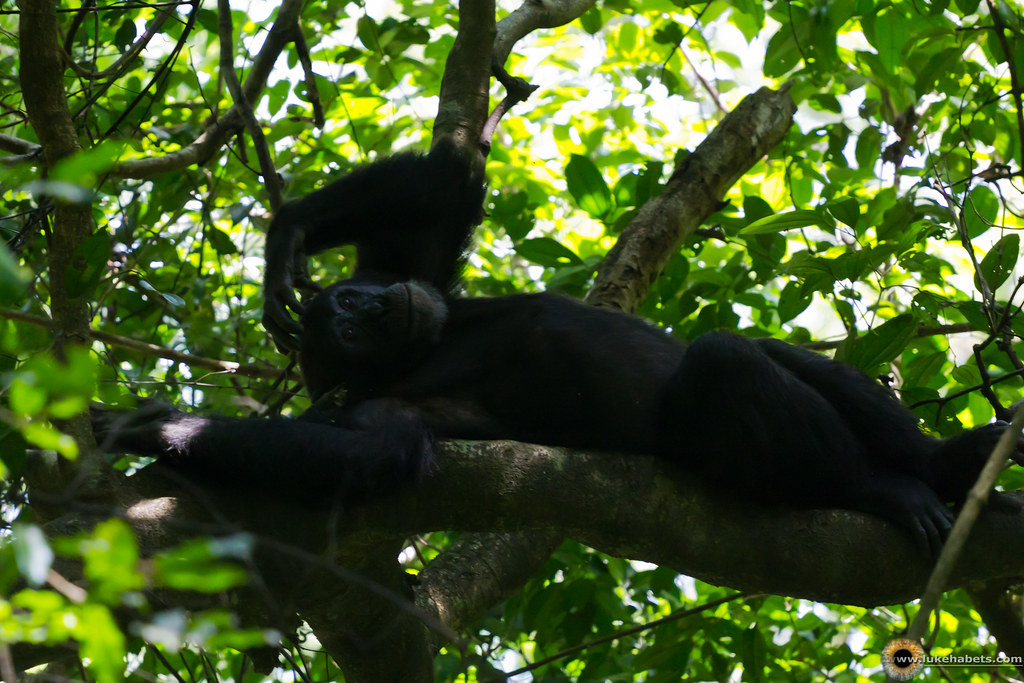
Chimpanzees thrive in tropical and montane forests where trees are abundant for nesting and foraging. They build new nests daily in trees or on the ground for resting at night. These primates live in fission-fusion social structures, where group composition changes throughout the day based on activity and food availability. Observing chimpanzees in their natural habitats reveals behaviors such as grooming, tool use, territorial displays, and vocal communication, providing unparalleled educational and photographic opportunities.
Seasonal Considerations
Chimpanzee trekking is influenced by seasonal conditions. Dry seasons, from December to February and June to September, make trails more navigable and improve visibility for tracking. Wet seasons, from March to May and October to November, produce lush forest scenery and abundant food for chimpanzees, though trails may be muddy and more challenging. Both seasons offer unique experiences, with wet months highlighting vibrant forest biodiversity and dry months providing easier trekking conditions.
Conservation and Ethical Tourism
Chimpanzee trekking in Uganda is carefully regulated to protect these endangered primates. Trekkers must purchase permits issued by the Uganda Wildlife Authority, which limits group size and enforces strict guidelines on proximity, behavior, and hygiene to prevent disease transmission. Guides educate visitors on ethical practices, ensuring minimal disturbance while promoting awareness of chimpanzee conservation needs. Tourism directly supports habitat protection, anti-poaching patrols, and community initiatives aimed at fostering coexistence between humans and wildlife.
Planning Your Chimpanzee Trek
Successful chimpanzee trekking involves selecting the appropriate park or reserve, booking permits in advance, and preparing for forest trekking. Visitors should wear sturdy, moisture-wicking clothing, hiking boots, and carry water, snacks, and rain gear. Knowledgeable local guides enhance the experience, increasing the likelihood of close and safe chimpanzee encounters. Trekking durations vary depending on troop location, often ranging from one to several hours.
Experiencing Uganda’s Forest Giants
Uganda’s chimpanzees offer a remarkable window into the intelligence and social complexity of our closest living relatives. Trekking through Kibale, Budongo, and surrounding habitats allows visitors to witness their behavior, explore vibrant forests, and support essential conservation initiatives. By understanding chimpanzee habitats and following ethical tourism practices, travelers can enjoy memorable wildlife encounters while contributing to the preservation of these extraordinary primates for future generations.